CANBERRA, Australia — A proposal to give Australians greater control over their social-media feeds is moving through Parliament as municipalities and schools separately restrict camera-equipped smart glasses. Together, the developments have implications for a debate already underway in the United States: who controls the technology shaping what people see, and when may devices record others?
The developments are different in legal scope. The feed initiative is tied to proposed national legislation, while smart-glasses measures have been adopted or proposed by particular councils and education authorities. Neither amounts to a blanket Australian ban on algorithms or smart glasses.
A Choice Between Recommendations and Accounts You Follow
Australia’s Albanese government announced its My Feed, My Way initiative in September 2026. The plan would require social-media platforms to offer logged-in users a choice between personalized recommendations and a default feed showing material from friends and creators they follow.
The proposal is part of the government’s Digital Duty of Care reforms, introduced in Parliament on October 15. According to the government’s consultation notice, implementing rules were open for public feedback. As of November 10, the bill had passed the House of Representatives but still required Senate approval. The proposed feed choice is not yet a fully operative nationwide right.
For users, the issue is straightforward: recommendation systems can surface useful content beyond an existing circle, but they also allow platforms to choose what gets prominent placement. Choosing a following-only feed would offer a different experience, though platforms could still apply advertising, moderation and other rules.
Smart Glasses and Privacy in Shared Spaces

The second debate concerns smart glasses with cameras, microphones and network connections. Because these devices can resemble ordinary eyewear, people in swimming pools, childcare centers or changing rooms may not immediately recognize that recording is possible.
On September 9, Yarra City Council said it had voted to investigate restrictions at council leisure centers, childcare facilities and playgrounds. The council’s statement itself did not establish a nationwide rule. Later that month, Inner West Council announced a resolution to prohibit AI smart glasses and other recording wearables in specified facilities, with implementation details still to be worked out and accessibility exemptions included.
Western Australia went further within its education system: a departmental instruction effective October 12, 2026 prohibits smart glasses on government school premises and at school-organized activities, subject to approved medical, accessibility, assistive-technology and educational exemptions.
Those exemptions matter. Camera-equipped glasses may support people with low vision or other disabilities. Privacy policy must account for both recording risks and legitimate assistive uses.
The Senate Debate: Safety, Privacy and Free Expression
Australia’s Digital Duty of Care bill would require online providers to take reasonable measures to protect users. During November Senate hearings, representatives of Google, Meta, TikTok and Snap raised concerns that broad obligations could encourage excessive removal of lawful speech or intrusive age checks.
Google warned that some interpretations of age-assurance provisions could affect minors’ access to ordinary services such as Gmail. That is a warning about a possible consequence, not evidence that children have been cut off. On November 10, eSafety Commissioner Julie Inman Grant challenged claims that tighter rules would automatically cause widespread censorship, while acknowledging the importance of clear definitions. Reuters reported the exchanges.
Why Americans Should Watch
The United States has not enacted the same nationwide adult feed-choice rule, but related restrictions are developing at state and school levels.
New York’s SAFE for Kids Act will restrict personalized algorithmic feeds for minors without qualifying parental consent starting January 25, 2027. It does not impose Australia’s proposed adult feed-choice model nationwide.
Meanwhile, Polk County Public Schools in Florida announced in August that students may not wear or use smart glasses and similar recording-capable wearables during the school day. Casa Grande Union High School District in Arizona clarified a classroom prohibition on recording-capable glasses in September.
These policies confront similar concerns: unauthorized recording, student privacy, and the ability of individuals to choose how technology affects their daily lives. The balance is not simple. Platforms argue that algorithms can help people discover content, while advocates of user choice question the degree of influence concentrated in private recommendation systems.
What Happens Next
Australia’s Senate must consider the Digital Duty of Care legislation and unresolved questions about liability, age verification and user choice. Local authorities will have to determine how smart-glasses policies work in practice, including signage and disability access. In the United States, New York’s upcoming rules and school-level wearable-device restrictions provide concrete examples of how the same debates are being handled.
The central issue is not whether technology should exist, but which choices are left to individual users, which protections must be enforced, and how rules can protect privacy without unnecessarily limiting accessibility and expression.
Source Documents
The following are primary policy records and reporting used to distinguish proposed law, local action and company warnings:
- Australian government: My Feed, My Way
- Australian Department: Digital Duty of Care
- Australian government: feed-choice consultation
- Yarra City Council: smart-glasses investigation
- Inner West Council: wearable camera restrictions
- Western Australia Education: smart glasses instruction
- New York Attorney General: SAFE for Kids Act
- Polk County Public Schools: smart glasses policy
- Casa Grande Union High School: recording eyewear
- Reuters: Australian Senate inquiry, November 10
Video
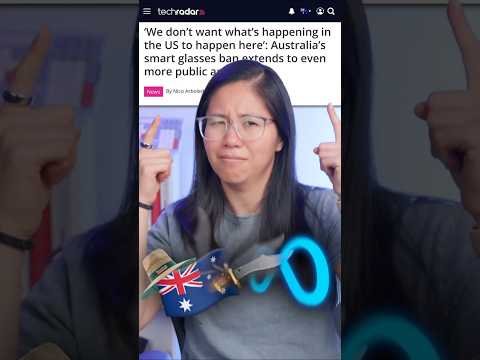
Watch the original video: Select the thumbnail below to open the source YouTube Short.
Featured image: Australia’s Parliament House in Canberra, photographed October 20, 2019 (archival). Photo by Dietmar Rabich / Wikimedia Commons, licensed under CC BY-SA 4.0. Image resized by Wikimedia for web use.
The original YouTube Short discussing Australia’s proposals is commentary, not a primary legal source. Official documents and independent reporting above provide the verification for this article.