
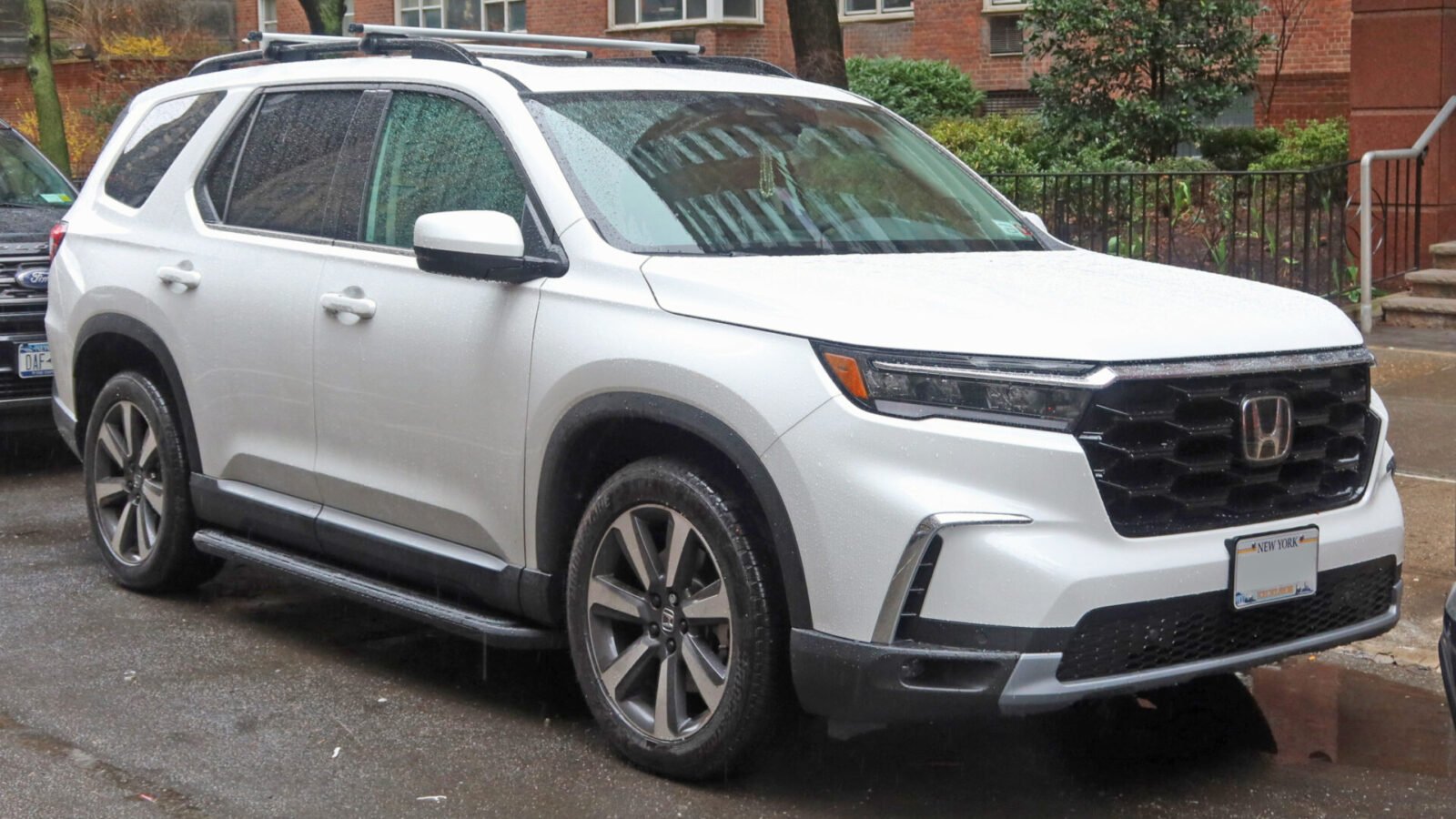
American Honda Motor Co. is recalling 635,808 vehicles across the United States because a software error can unexpectedly disable electronic power-steering assistance. Honda has reported one injury associated with the defect, according to federal safety records.
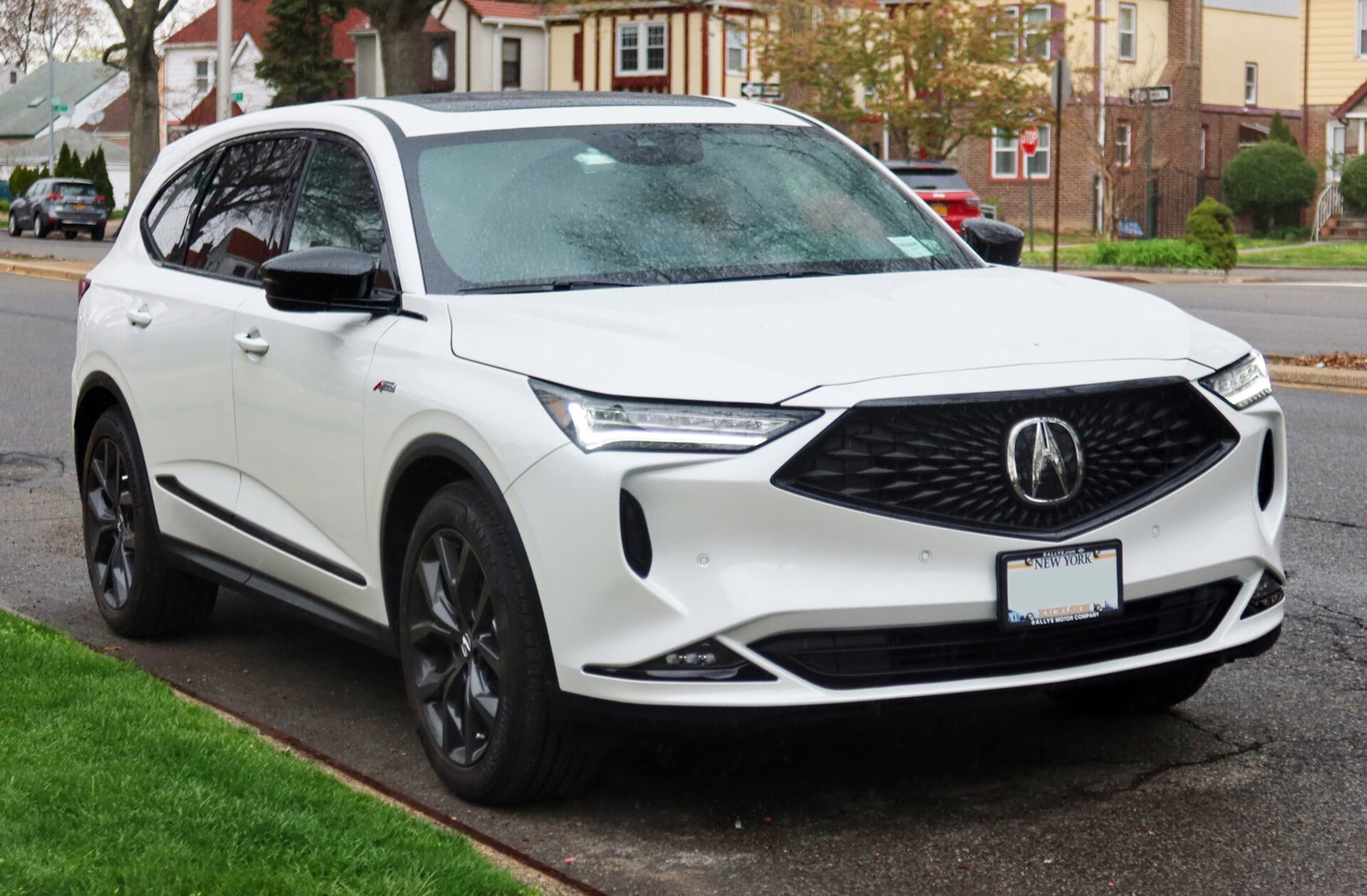
The recall covers certain 2023–2025 Honda Pilot SUVs, 2022–2024 Acura MDX SUVs and 2021–2025 Acura TLX sedans. The National Highway Traffic Safety Administration (NHTSA) assigned the action recall number 26V721. Honda submitted its safety recall report on October 29, 2026, and publicly released details November 10.
Owners can receive a free software repair at an authorized Honda or Acura dealership. Honda plans to mail owner notification letters beginning December 14, 2026. Drivers can check whether their own vehicle is affected by entering its identification number (VIN) at NHTSA’s official recall lookup.
Which Honda and Acura vehicles are affected?
| Model | Model years | Vehicles potentially affected |
|---|---|---|
| Honda Pilot | 2023–2025 | 383,110 |
| Acura MDX | 2022–2024 | 177,100 |
| Acura TLX | 2021–2025 | 75,598 |
| Total | 635,808 |
The figures describe the recall population, not the number of vehicles that have experienced a steering malfunction. Honda estimates that the software defect is present in the recall population, but an individual vehicle’s inclusion should be checked using its VIN.
How the steering software can fail
The problem is in the software configuration for the electric power steering (EPS) system, according to Honda’s Part 573 report filed with NHTSA.
Honda describes an error in a road-condition compensation calculation associated with the Driver Attention Monitor. Under specific conditions, the program may attempt a floating-point division with a zero denominator, which triggers an internal error. The software was incorrectly configured to respond by placing the EPS system in a failsafe mode and disabling power steering assistance.
When the problem occurs, warning indicators illuminate on the instrument cluster and drivers must use greater effort to turn the wheel. The steering mechanism is not described as physically disconnected, but unexpectedly heavy steering can reduce the driver’s control and increase the risk of a crash or injury.
Honda identifies Robert Bosch Automotive Steering LLC as the Tier 1 supplier of the affected component. The remedy is corrected EPS software rather than replacing the entire steering system.
One reported injury and a years-long investigation
According to the filing, by October 22, 2026, Honda had received 146 warranty claims, one report of an injury and no reports of a death connected to the defect in the reporting period. These are the manufacturer’s figures, not proof that every incident has been identified.
Honda recorded its first report on November 29, 2021. Further reports between August 2023 and August 2025 prompted an ongoing investigation, but Honda said deletion of diagnostic codes by dealers or the supplier complicated assessment of returned parts.
The supplier identified the failure during returned-part analysis in August 2025. Honda says it recreated the issue after studying dashcam footage and analysis results in December 2025. In February 2026, it confirmed the failure occurred under particular conditions while the vehicle was traveling straight. Honda determined on October 22, 2026, that the problem was a safety defect requiring a recall.
The free repair and what owners should do now
Honda says authorized Honda and Acura dealerships will reprogram the EPS control unit with improved software free of charge. Its owner notification letters are expected to be mailed beginning December 14, 2026. The manufacturer’s recall identifiers are KQB and TQA.
Owners can look up their VIN at NHTSA.gov/recalls or contact their dealership. Honda’s customer-service telephone number listed in the federal notice is 1-866-784-1870. NHTSA’s Vehicle Safety Hotline is 1-888-327-4236.
If a power-steering warning appears or steering suddenly feels much heavier than normal, drivers should slow down, stop safely when conditions allow and contact a qualified professional. Owners should not ignore the risk simply because the reported repair involves software.
Why this matters to American drivers
Modern vehicles increasingly depend on software to interpret sensor readings and control safety-critical functions. Honda’s filing describes not only a calculation error but an inadequate software response to that error. In this case, the response itself can remove steering assistance.
The practical next step is a VIN check and a free dealership repair when applicable. For other consumers, the recall illustrates why electronic vehicle safety systems need both rigorous testing and reliable diagnostic records when rare failures occur.