CALIFORNIA — November 20, 2026. California’s Department of Motor Vehicles has prohibited Waymo from operating or testing driverless vehicles on the state’s freeways after repeated incidents involving construction zones and traffic-control operations. The restriction took effect November 11 and became public November 17.
California regulators determined that the company’s freeway operations posed an imminent hazard to public safety. Waymo responded by suspending driverless freeway rides across its other U.S. markets, although its ride-hailing service continues on city streets. The company says the reported recent construction-zone incidents did not cause injuries or collisions. KQED reported the DMV order and Waymo’s response.
A new development followed on November 20: Waymo announced two further federal safety recalls concerning closed freeway lanes and manual traffic control, according to Reuters. The recall announcements and the California restriction are related safety developments, but they are distinct regulatory actions.
What Happened on California Freeways?
On November 5, three Waymo driverless vehicles entered an active construction closure on U.S. Highway 101 near Burlingame, south of San Francisco. On November 6, another Waymo vehicle appeared to attempt to bypass California Highway Patrol vehicles conducting a traffic break on Interstate 280 in San Francisco, according to reporting from KQED and TechCrunch.
A traffic break is a maneuver used by highway patrol officers to slow or temporarily halt vehicles, including when workers, debris or other hazards require protection. Drivers must recognize temporary directions that override normal travel patterns.
The DMV said the incidents reflected a recurring problem involving the company’s vehicles entering closed construction areas. The agency cited earlier problems in May and said the restrictions would stay in place until Waymo demonstrated effective corrective measures. TechCrunch detailed the scope of the restriction.
An Earlier Recall Documented Similar Construction-Zone Failures
The November cases came after an earlier federal recall. In June 2026, Waymo reported a defect affecting 3,871 fifth-generation automated driving systems capable of driverless freeway operation.
The NHTSA recall filing, number 26E035, describes six Phoenix incidents in April in which vehicles passed ramp-closure signs and entered planned freeway construction zones. It also documents seven Waymo vehicles entering active construction lanes in the San Francisco Bay Area on May 18.
The filing said that under some circumstances the system could prioritize avoidance of other hazards or fail to identify a construction zone. Waymo’s proposed remedy included software improvements and operational protocols. The recurrence of incidents months later prompted renewed California restrictions.
November 20: Two Additional Waymo Safety Recalls
Waymo said it filed two additional safety recalls with the National Highway Traffic Safety Administration on November 19. Reuters reported the announcement on November 20.
One recall addresses the possibility of a driverless vehicle entering a closed freeway lane and continuing inside it. Waymo said it was still developing a remedy for that condition and reported no collisions or injuries linked to the closed-freeway-lane events described.
The second addresses manual directions from police or other emergency personnel at intersections. Reuters reported that this followed a collision in which a Waymo responded to an officer’s instructions but then lost sight of the officer when the person was temporarily obstructed. Waymo said a software update for the manual-traffic-control issue had been completed on November 6.
These two newly announced recalls should not be confused with the June recall involving 3,871 driving systems; that number refers to the earlier filing, not the new recalls.
Why Construction Zones Challenge Autonomous Vehicles
Driverless vehicles rely on sensors, mapping and software to recognize road markings, signs, other vehicles and people. Temporary construction arrangements can disrupt the usual assumptions: traffic cones may redefine lanes, a police officer may direct traffic against a normal signal and workers may use hand gestures that change from moment to moment.
The incidents are a test of whether autonomous systems can interpret not just physical objects but the priority of changing instructions. This is particularly significant for crews working close to vehicles traveling at highway speeds.
Waymo’s Response and the Wider Safety Debate
Waymo says its technology produces fewer injury-causing crashes than statistically comparable human driving, based on its published safety research. Such system-wide comparisons may inform the policy debate, but they do not resolve whether particular unusual conditions—such as manual traffic breaks and active freeway construction—are handled reliably.
The company says its ride-hailing service remains available on surface streets and that it is working with California officials to restore freeway operations. California’s prohibition concerns driverless freeway operations and testing in the state; Waymo has said supervised freeway testing with trained specialists can continue where permitted.
What Passengers and Road Workers Can Expect Next
Passengers who would otherwise take driverless freeway routes may encounter slower surface-street trips, particularly on longer journeys between cities or to airports. For construction workers, the immediate safety question is whether an autonomous vehicle can accurately recognize a closure and comply with officials controlling traffic.
California says its restrictions will remain until Waymo shows that the deficiencies have been corrected. Federal regulators will separately assess the company’s recall filings and proposed remedies. Neither the California restriction nor the newly announced recalls, by itself, establishes that all autonomous driving is unsafe; each concerns documented operational risks that require a response.
Related Video: ABC7 Eyewitness News
ABC7 Eyewitness News reporter Tim Johns examines the freeway incidents and the DMV decision in the original broadcast linked below.

Sources and Documentation
- KQED — California DMV freeway restrictions, November 17
- Reuters — Waymo’s two additional safety recalls, November 20
- NHTSA — Part 573 Safety Recall Report 26E035
- TechCrunch — Scope of freeway suspension and previous restrictions
- Associated Press — Driverless freeway ride suspension
- ABC7 Eyewitness News — Original video coverage
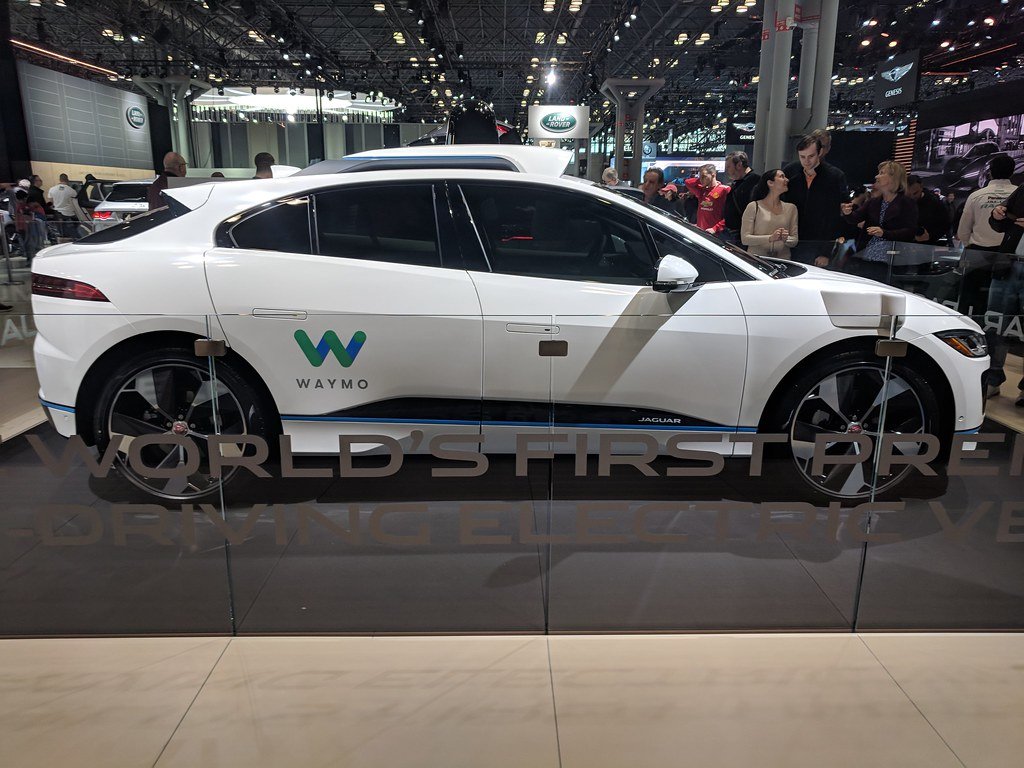
Reporting is based on agency filings and attributed news coverage; Khemetic.News did not witness the incidents. Featured image is an archival Waymo photograph (not an image of the November incidents) by elisfkc, licensed under CC BY-SA 2.0.