

Khemetic Nation News Network | Technology Desk | Reporting date: November 1, 2026
The U.S. Department of Energy announced a new Battery Manufacturing Accelerator, or BattMan, on October 28, 2026. The initiative is intended to address a stubborn problem in energy storage: discoveries that work in a laboratory can be difficult and expensive to manufacture consistently at commercial scale.
According to DOE, the consortium will bring national laboratories, universities and industrial partners together to improve manufacturing methods, identify production challenges sooner and shorten the distance between promising experiments and market-ready batteries. The announcement is the launch of a collaboration, not evidence that a particular new battery is already available for purchase.
Why the jump from lab to factory matters
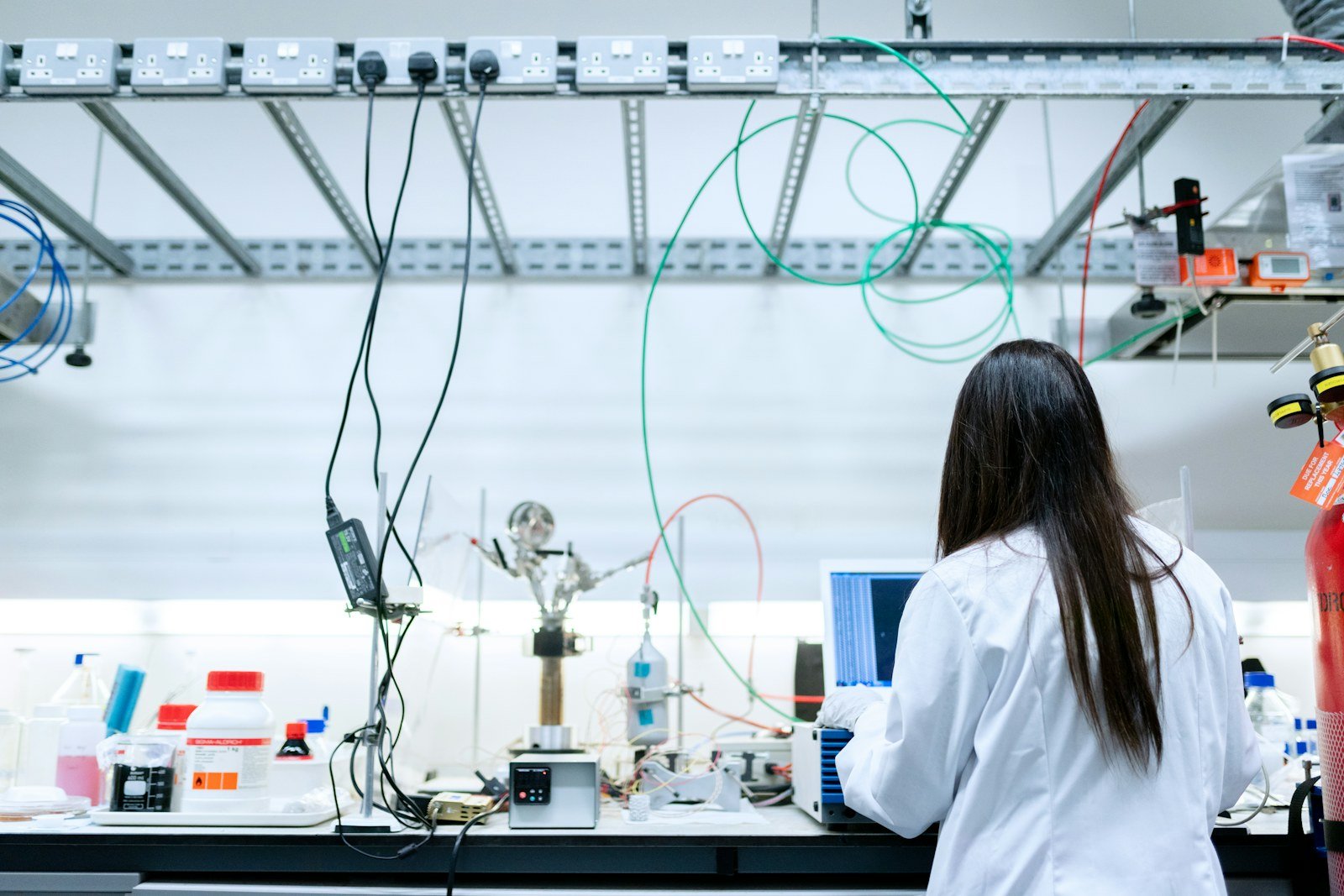
A battery chemistry can look promising when a small test cell is made by hand. A factory, however, must reproduce thousands of cells reliably while controlling contamination, materials quality, heat, cost and safety. BattMan is designed to make those practical questions part of the research process earlier.
Pacific Northwest National Laboratory will lead the collaboration, with Argonne National Laboratory, Oak Ridge National Laboratory and the National Laboratory of the Rockies among the partners named by DOE. PNNL has also described its industrially relevant prismatic-cell testing capability as a way to evaluate battery designs beyond tiny coin-cell experiments.
Data, digital twins and future factory controls
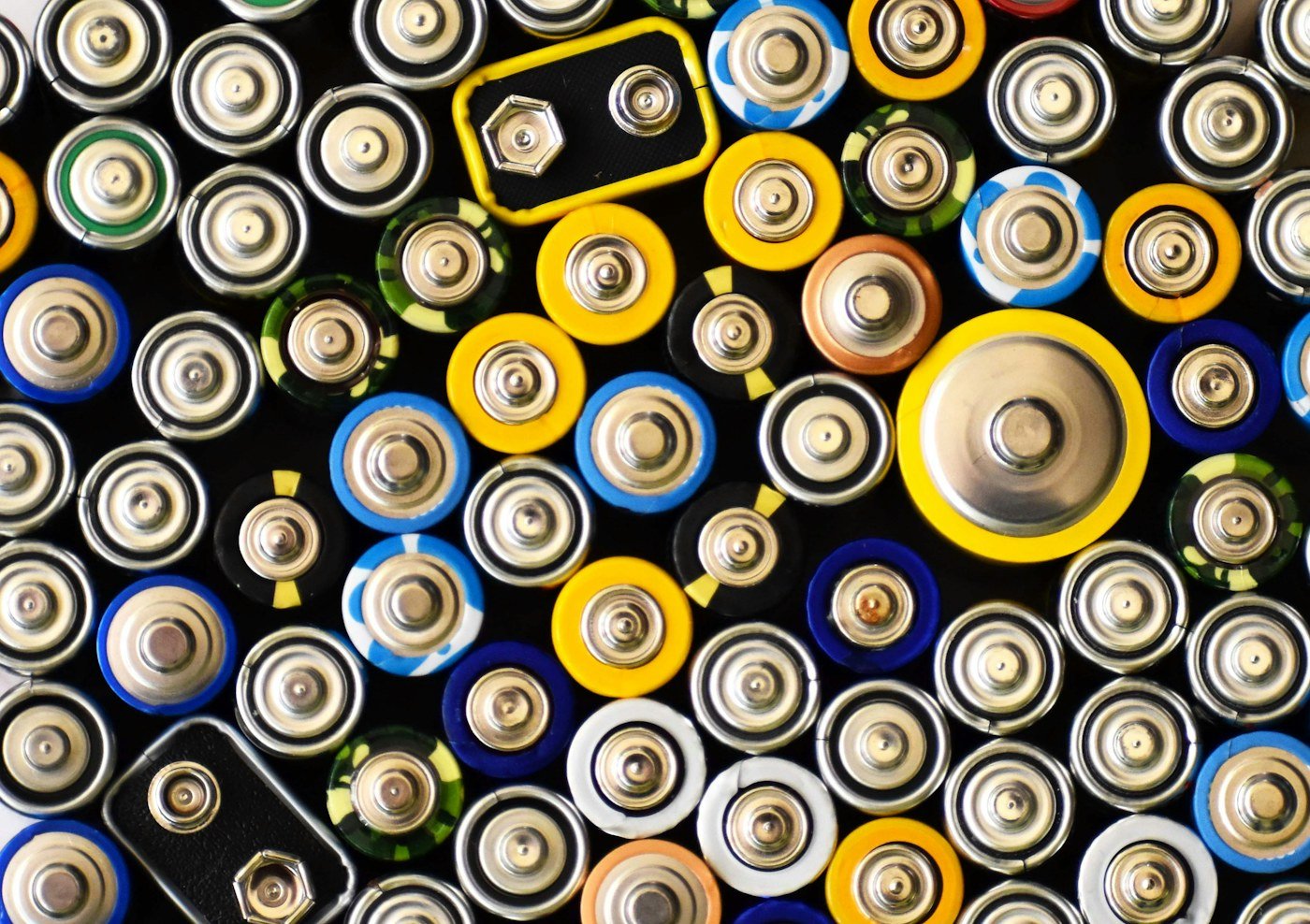
The department says the program will explore machine-assisted research, process monitoring, digital twins and systems that can adjust production parameters in response to measurements. These are goals for the initiative. Any actual improvements in cost, reliability, safety or deployment speed will need to be measured and independently tested as work proceeds.
For the public, the possible benefit is broader than electric vehicles: batteries also support grid reliability, industrial equipment and other applications that require energy to be stored and delivered when needed.

Watch: how researchers build prismatic battery cells
In a separate 2026 PNNL video, materials scientist Mark Weller walks through the laboratory’s prismatic-cell manufacturing line. The footage is background on battery production, not a video of BattMan’s eventual results.
View the video on the PNNL website.
Sources
DOE announcement, October 28, 2026; PNNL consortium announcement; PNNL BattMan project overview.