KNN History & Restoration Desk | October 23, 2026
WASHINGTON, D.C. — The Library of Congress announced October 21 that it has acquired two letters written by former first ladies Martha Washington and Mary Todd Lincoln. Both documents illuminate the personal concerns of women more often encountered in historical accounts through the presidencies of their husbands.
A mother’s concern in 1760
In a letter dated September 29, 1760, Martha Washington wrote to her friend Margaret Green about the recovery of her young daughter, Martha Parke “Patsy” Custis, from an illness. The writing captures hope during what later became a painful family history: Patsy continued to experience medical difficulties and died in 1773 at age 17.
The Library reports that this acquisition is the first letter in Martha Washington’s own handwriting in its Manuscript Division collections. Other letters attributed to her survive there as copies or drafts in different hands. An October 22 Manuscript Division essay gives additional historical context, including the relationship between the two women.
A February 1865 note from Mary Lincoln
Mary Todd Lincoln’s letter was written on February 15, 1865, just two months before the assassination of President Abraham Lincoln. Addressed to Caroline Wright, the letter acknowledges a gift connected with a hairwork eagle made to support wounded Civil War soldiers and mentions remodeling at the Executive Mansion. It also refers to arrangements for a possible visit to Washington.
The note was written on mourning stationery, a reminder of the Lincolns’ loss of their son Willie. While official histories rightly record the war and political events surrounding this period, an everyday letter preserves what those days looked like from within a family.
According to the Library, the Mary Todd Lincoln letter has been digitized and is available through its Mary Todd Lincoln correspondence collection.
Why the archives matter
Original handwriting and personal letters can support scholarship beyond biographies of prominent political figures. They provide details about family networks, women’s relationships, household concerns, material culture, and the emotional language of their times. Historians still need to read these documents critically and alongside other evidence; one letter cannot summarize an entire life or era.
The acquisitions add two primary sources to a much larger archival record and offer readers new opportunities to connect national history with individual experiences.
Sources: Library of Congress news release, October 21, 2026; Martha Washington manuscript analysis, October 22; Mary Lincoln manuscript analysis, October 21.
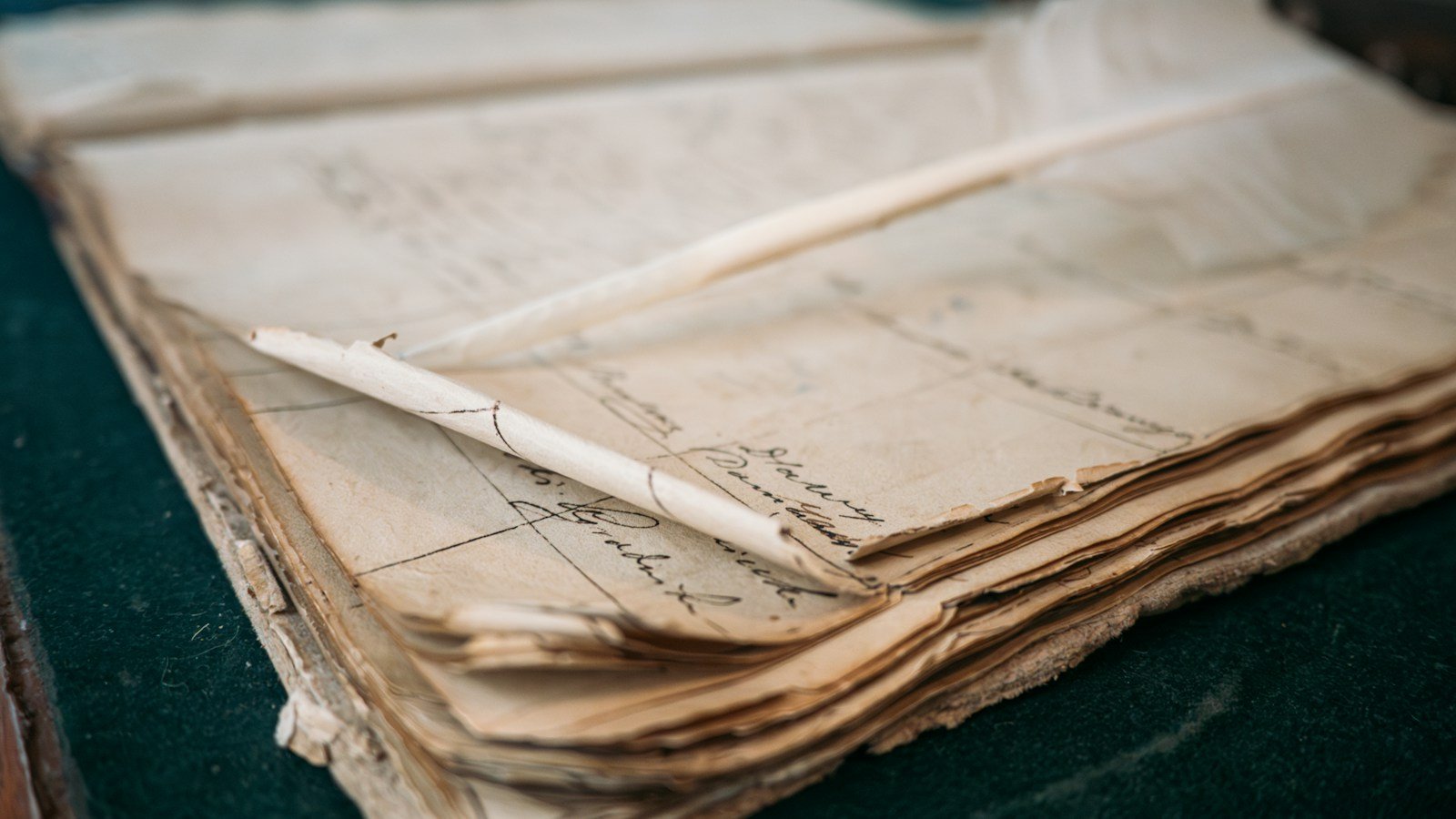
Featured photograph: camera obscura / Unsplash. Illustrative historic ledger; not either newly acquired letter.