TAIWAN / UNITED STATES, Nov. 15, 2026 — Semiconductor manufacturer Taiwan Semiconductor Manufacturing Company (TSMC) has disclosed that personal information belonging to some current and former employees was made available on an external website without authorization. The company says it has found no evidence that its own systems were compromised and that the exposed information matches records maintained by an outside cloud-service provider.
In a Nov. 12 filing with the U.S. Securities and Exchange Commission, TSMC said the information was unrelated to company operations and customer data. The disclosure followed reports that a seller on an underground forum had offered purported employee information in exchange for three bitcoin. TSMC did not confirm the seller’s claims or a sale.
Featured image: An archival view of the TSMC logo at its Taichung factory in Taiwan. Photo by Briáxis F. Mendes / Wikimedia Commons, CC BY-SA 4.0. This image does not depict the data incident.
What TSMC has confirmed
The company’s signed SEC statement establishes three key points: some employee data appeared online without authorization; the information matched records stored through a cloud provider’s services; and TSMC had found no evidence of a compromise of its own systems as of its disclosure.
TSMC said it has been notifying affected personnel and offering support. It is working with the cloud-service vendor, investigating authorities and a third-party cybersecurity agency to determine what happened and what action is necessary. The company did not publicly identify the cloud provider, specify the number of affected people or provide a complete inventory of exposed data.
What is reported about the three-bitcoin offer
According to The Record, an underground forum post dated Nov. 8 advertised approximately 6.9 gigabytes of purported employee data for three bitcoin, valued at around $200,000 at the time of the report. PC Gamer, citing Taiwanese coverage, reported that the material was said to encompass more than 46,000 employee records.
Reports about the alleged sample mention identification information, home addresses and banking details. These figures and categories are seller and media claims, not a confirmed headcount or data inventory from TSMC. No publicly verified evidence reviewed for this report establishes that the full advertised collection was authentic, that a buyer paid three bitcoin or that the seller gained access directly to TSMC’s systems.
Why the incident matters to the United States
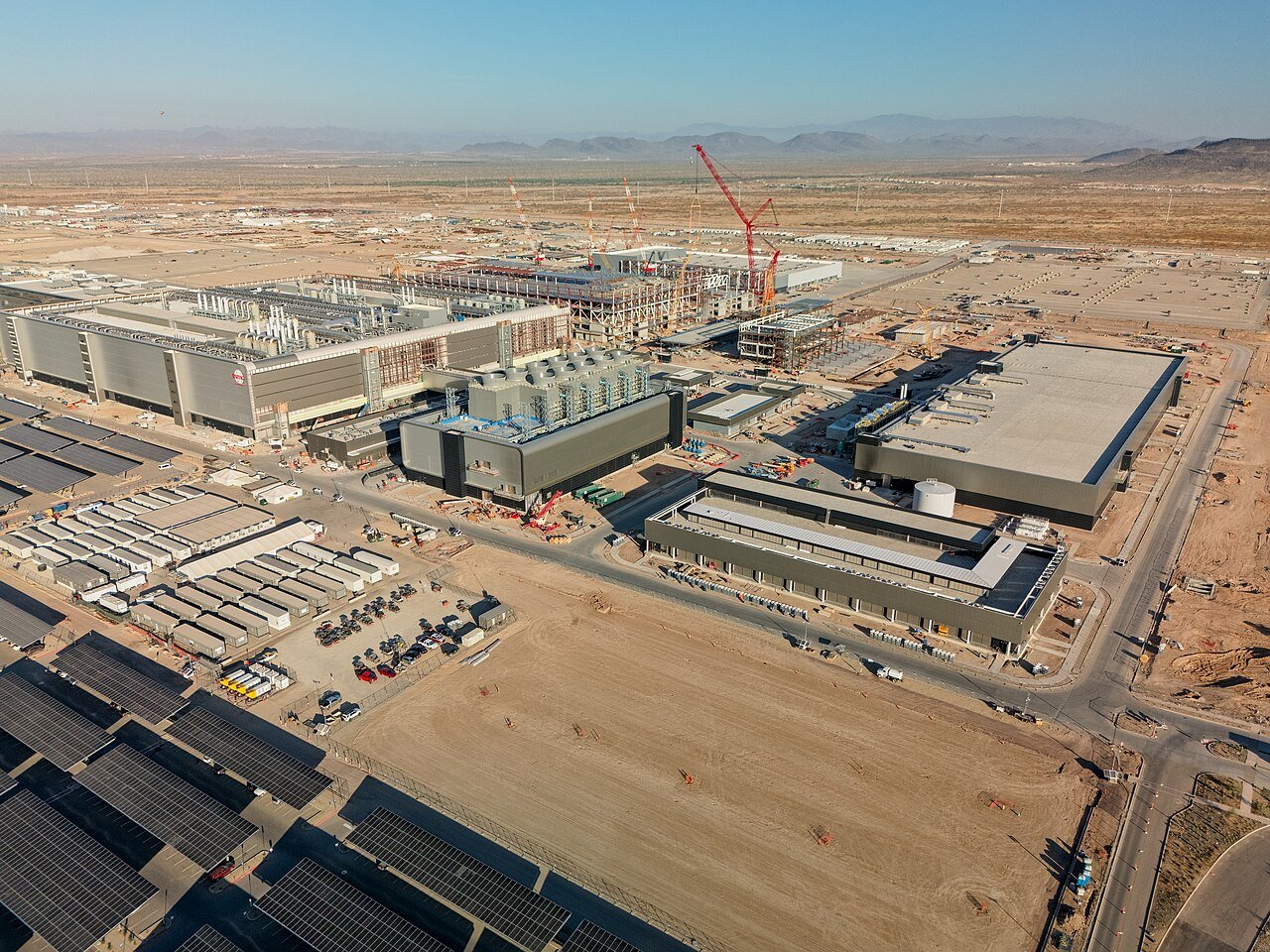
TSMC occupies a central position in the global supply chain for advanced processors used by American computer, smartphone and artificial-intelligence companies. It is also expanding manufacturing in Arizona. In a July 16 announcement, the U.S. Department of Commerce described a further $100 billion commitment bringing TSMC’s total announced U.S. investment to $265 billion, including additional semiconductor and packaging facilities. These are investment plans, not evidence that all facilities are complete.
The case demonstrates a risk that extends beyond any one manufacturer: sensitive employee information can be exposed through third-party technology services even when a company has not detected an intrusion into its own network. That does not establish that TSMC’s U.S. factories, intellectual property, production schedules or customers were affected. TSMC’s filing specifically says the disclosed information is unrelated to its operations and customer data.
The practical risk for employees
If personal identifiers or financial details were exposed, affected workers could face targeted phishing, impersonation attempts or financial fraud. Employees should use known corporate channels to verify any notice or support offer, avoid unexpected requests for passwords or banking information, and review relevant accounts. In the United States, the Federal Trade Commission’s IdentityTheft.gov offers recovery guidance for people who discover misuse of their information.
What remains unknown
As of this report, TSMC has not publicly established the number of affected individuals, the precise route by which the data became available, the identity of the service provider or whether the alleged three-bitcoin transaction happened. Those unanswered questions should not be filled in with speculation. The verified story is an unauthorized exposure of employee information, accompanied by separately reported claims of a sale.
Sources and documents
- TSMC SEC Form 6-K — Nov. 12, 2026 (primary company disclosure)
- The Record — Nov. 13, 2026 (independent cybersecurity reporting)
- PC Gamer — Nov. 13, 2026 (report citing Taiwanese media)
- U.S. Department of Commerce / NIST — July 16, 2026 (investment context)
- Federal Trade Commission — IdentityTheft.gov (consumer guidance)