KABUL, Afghanistan — Archaeologists conserving the Bala Hissar fortress above Kabul’s old city have uncovered evidence of more than 2,000 years of occupation, including Buddhist religious remains, Islamic-era ceramics, ancient coins and parts of an elaborate Mughal palace. The findings, detailed in a November 9 Associated Press report, are emerging during a long-term effort to protect the damaged citadel and eventually open it as a public archaeological park.
The discoveries are more than a cache of valuables: the buildings and ordinary objects document successive communities, beliefs and rulers who inhabited a strategically important crossroads of Central and South Asia. They also put new attention on the damage that war has inflicted on one of Afghanistan’s major historic places.
What the excavations have revealed
Researchers working across five trenches have found coins, fragments of Buddhist sculptures, oil lamps, glazed Islamic ceramics, pottery, homes and religious buildings, according to AP’s interviews with archaeologists at the site.
One striking discovery is part of a Mughal palace, with painted decoration, baths, a throne-like feature and a star-shaped pool cut into rock. A trench has already reached about 11 meters, or 36 feet, below the surface. Not every find dates back 2,000 years: the objects and structures belong to different periods in the fortress’s long history.
These finds help establish Bala Hissar as more than a defensive structure. It also served as a residential, religious and administrative center, reflecting Kabul’s historic role along routes linking the Indian subcontinent with Central Asia.
Why this hill controlled so much of Kabul
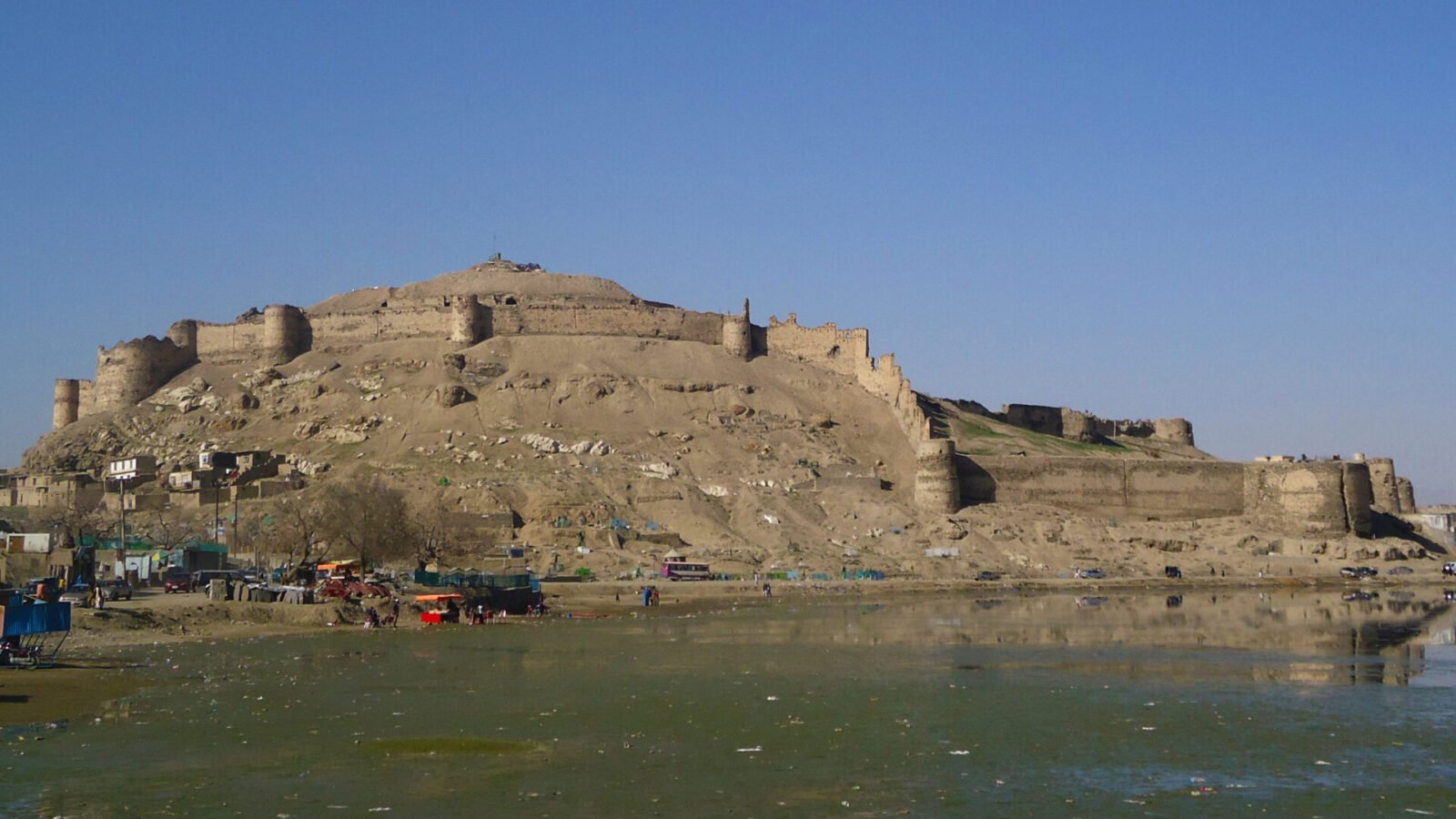
Bala Hissar, meaning “High Fort” in Dari, occupies a commanding location along the Kuh-e-Sher Darwaza ridge above the southern edge of the old city. Its elevated walls allowed occupants to watch and defend access to Kabul.
Over centuries the complex served as a fortress, royal residence, arsenal, prison and military garrison. Archaeological evidence associated with Buddhist and later Islamic life reveals a more layered history than any single dynasty or religion can represent.
From the Anglo-Afghan Wars to the U.S. military era
The citadel suffered repeated damage and reconstruction. British troops destroyed large sections in 1879 after the killing of envoy Sir Louis Cavagnari and his party during the Second Anglo-Afghan War. The National Army Museum documents this episode and preserves a contemporary photograph of the damaged site.
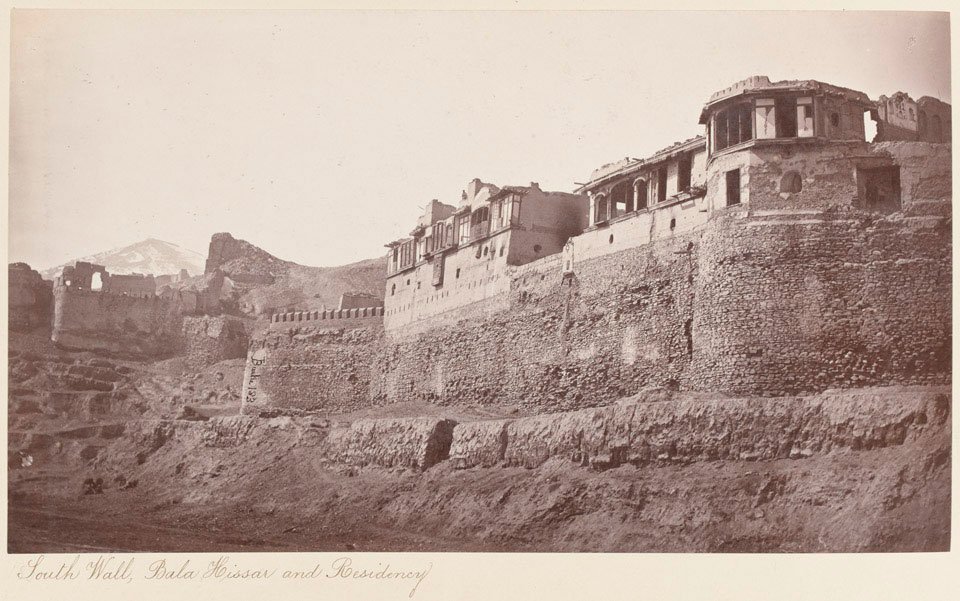
More recent fighting left Soviet-era military wreckage at the complex, while weapons abandoned following the U.S. withdrawal in 2021 remain nearby. Archaeologist Babak Rafiei-Alavi told AP that U.S. forces leveled part of the site in 2008 and damaged archaeological layers. That assertion is attributed to the archaeologist; the reporting reviewed for this article does not independently establish the extent of the alleged 2008 damage.
For U.S. readers, this history offers a direct connection between American military involvement in Afghanistan and the responsibility to document or protect cultural sites affected by conflict.
Preserving the fortress is also a safety challenge
The Aga Khan Trust for Culture began planning the conservation effort in 2017. Its 2020 project announcement outlined support from the ALIPH Foundation and a plan for a public archaeological park. The work involves surveying, structural stabilization, archaeological investigation and training Afghan specialists.
Restoration crews have reinforced weakened towers and rebuilt sections of wall using local stone, while deliberately leaving the new work visually distinguishable from the ancient construction.
There are dangers beyond unstable masonry. The HALO Trust says it used specialized equipment to clear landmines laid on Bala Hissar’s battlements during Soviet military occupation.
The French Archaeological Delegation initially took part in research, but did not return after the Taliban regained power in 2021. Work by the Aga Khan Trust for Culture continued and expanded after 2022, according to AP.
What happens next, and what remains uncertain
Afghanistan’s current Taliban authorities say they support preserving monuments, although the movement’s destruction of the Bamiyan Buddhas and museum artifacts during its earlier rule makes the long-term protection of pre-Islamic heritage especially consequential.
The proposed archaeological park could eventually include a museum, gardens and visitor facilities. Its completion date is uncertain: the scale of excavation and stabilization means the project may continue for decades. Researchers have not established how much further material remains buried, and future discoveries should be evaluated as evidence becomes available.
The historical importance of Bala Hissar lies not in a single “treasure,” but in the accumulated record of the people who lived, worshipped, traded and fought there.
Watch and read the original reporting
Watch the Associated Press video report on Bala Hissar (hosted by Yahoo News).
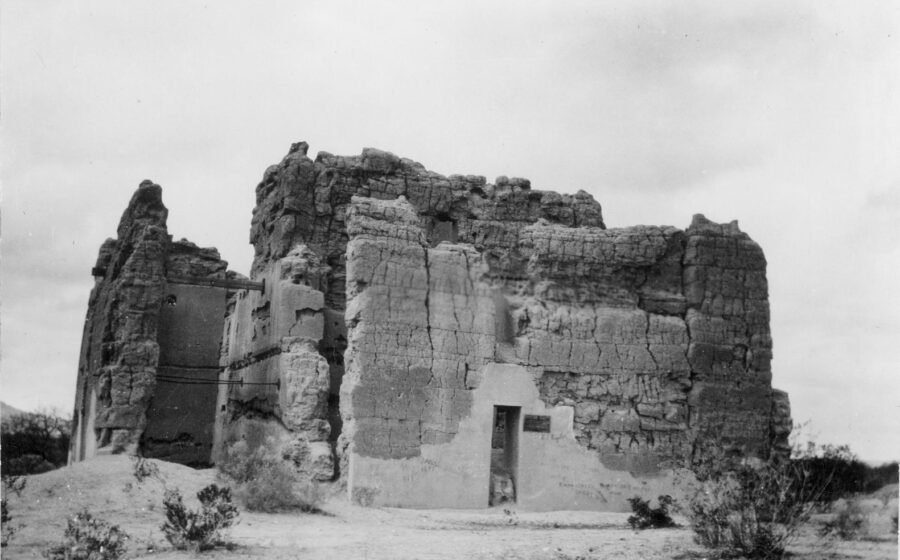
Featured photo: Bala Hissar fortress in June 2018. AhmadElhan / Wikimedia Commons; CC BY-SA 4.0, unchanged. The featured and archival images are documentary views of the site, not photographs of the November 2026 archaeological finds.
Sources: Associated Press, Nov. 9, 2026; Aga Khan Development Network, Nov. 1, 2020; National Army Museum, 1879 photograph and historical record; HALO Trust, May 2, 2025. Photographs displayed are archival/site views, not images of the 2026 excavated finds.