

WASHINGTON, November 14, 2026 — The FBI and U.S. Justice Department say North Korean state-backed hackers stole more than $400 million in cryptocurrency over 18 months through a sophisticated scheme built around stolen webcam recordings, fake video meetings and hijacked communication accounts.
On November 12, federal authorities announced the seizure of cloud infrastructure used by the campaign, which the FBI calls FaceStealer. Investigators recovered more than 900 webcam videos secretly recorded from victims working in cryptocurrency and Web3, according to the FBI’s official account. The scheme is also increasingly aimed at software developers and maintainers.
The FBI attributes the campaign to North Korean cyber actors known to security researchers by names including Sapphire Sleet, UNC1069, BlueNoroff and Stardust Chollima. The United States alleges the operation served North Korea’s financial and strategic interests; these attributions are official investigative findings, not independently adjudicated criminal convictions.
How stolen webcam recordings become a convincing fake meeting
The FBI’s November 12 FLASH advisory describes a repeated sequence: hackers first compromise someone’s device or messaging accounts and secretly record a webcam video. They then use that person’s real Telegram, LinkedIn, Slack or Discord identity to contact friends and colleagues, often referring to earlier conversations to make the approach sound familiar.
The next target receives a plausible invitation to a meeting resembling Zoom or Microsoft Teams. But the meeting link points to a look-alike service controlled by the hackers. Inside the imitation meeting, recorded video of a previous victim appears to show a trusted colleague already present.
A fabricated microphone or audio problem provides the final lure. The attacker tells the new target to click an update link, run a script or paste commands into a terminal. Instead of fixing anything, that step installs malware capable of stealing credentials, monitoring activity and accessing cryptocurrency wallets.
Hackers may then record the new victim, take over additional messaging accounts and repeat the process. In some reported cases, thieves waited months or more than a year after initial compromise before stealing cryptocurrency as wallet balances grew.
The role of deepfakes — and what the FBI actually documented
The most important distinction is that FaceStealer largely relies on authentic recordings stolen from real people, rather than synthetic AI video. The FBI says attackers have also begun using artificially generated deepfakes of recognizable figures in cryptocurrency and Web3, but stolen genuine videos remain the predominant technique.
That makes the deception especially hard to recognize: the account sending the invitation may truly belong to a friend or colleague, and the face shown on-screen may genuinely be theirs. What is fraudulent is the control of the account and meeting.
Why the attack threatens American software users
U.S. officials warned that FaceStealer is no longer limited to people holding digital assets. The same approach has been used against maintainers of open-source software, whose credentials can provide a way into widely installed programs and packages.
The FBI described an attempted 2026 compromise of a widely used JavaScript library that receives tens of millions of downloads each week. Attackers deceived a maintainer into attending a fake Teams call and executing malicious instructions. They then tried to add harmful dependencies to the library. The intrusion was detected and addressed before the poisoned update could spread widely, according to the advisory.
A successful software supply-chain compromise could affect users who never attended a suspicious meeting: they might receive malicious code as an apparent legitimate update from software they already trust. The FBI said the same group had targeted other maintainers, including projects associated with npm and Rust software packages.
A separate Binance hack must not be confused with FaceStealer
The November 12 Justice Department announcement also covered an entirely separate theft, attributed to a North Korean group called TraderTraitor. Authorities said attackers stole more than $6 billion in cryptocurrency from Binance around October 29.
Investigators and industry partners reported freezing more than $2.7 billion of the stolen Binance assets, including more than $1.2 billion covered by court orders authorizing seizure or restraint. Frozen, restrained and recovered assets are not necessarily equivalent to completed forfeitures or money returned to victims.
The $400 million FaceStealer figure covers a different 18-month campaign and should not be added to the Binance figures as if they describe one incident.
How to protect yourself from fake video meetings
The FBI recommends that cryptocurrency users, software maintainers and people who rely on online meetings treat unexpected software-fix instructions as a significant warning sign.
- Join meetings using the official conferencing application and a meeting code, rather than unfamiliar browser links.
- Verify unexpected invitations through a separate communication channel, such as a known phone number.
- Delay switching on your camera until you can see and communicate with the person who invited you.
- Never paste commands into a terminal or run an unsolicited script to repair a supposed meeting-audio problem.
- Enable multifactor authentication and account alerts on messaging and professional services.
- Keep cryptocurrency private keys and recovery phrases off devices used for high-risk online activity.
If compromise is suspected, the FBI advises moving cryptocurrency to a new wallet created on a clean device, changing account credentials, ending existing sessions, notifying contacts who may be targeted next, and alerting employers if work systems may be exposed.
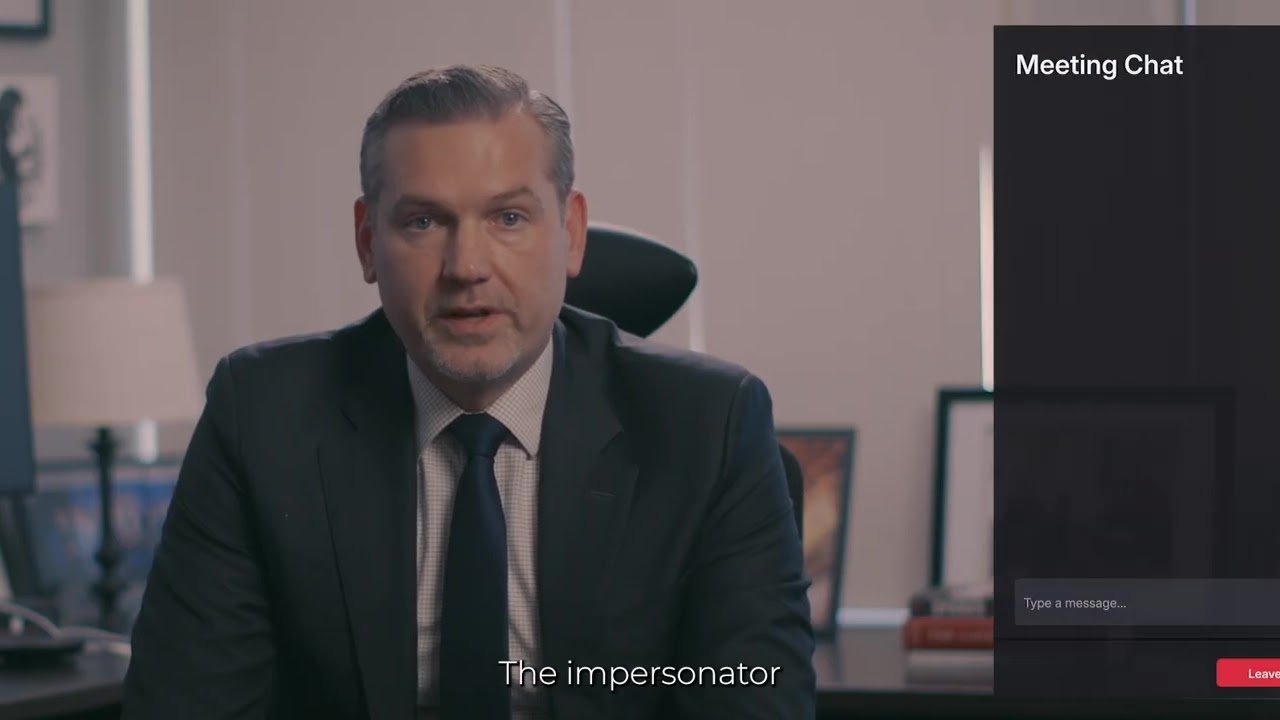
Victims should file a complaint with the FBI’s Internet Crime Complaint Center and include the keyword FaceStealer. The bureau’s official video explanation features Jeremy Robertson, the FBI Los Angeles official overseeing counterintelligence and cyber matters, walking through the attack and its warning signs.
What remains unknown
Federal officials have reported disrupting infrastructure used in the operation, but the public record does not provide a full accounting of victims, individual losses or future prosecutions. Seizing systems does not establish that every participant has been apprehended or that the threat has ended.
The central security lesson is straightforward: a familiar face on a video call and a message from a known account are no longer sufficient proof of identity when an attacker can take control of both.


