WASHINGTON, Nov. 16, 2026 — The Pentagon lacks reliable records for roughly 26 million government-owned F-35 aircraft parts valued at about $31 billion, according to a Government Accountability Office report released November 9. The watchdog found gaps in tracking, physical inventory procedures and oversight of reported losses across more than 700 government- and contractor-managed facilities worldwide.
The $31 billion figure is the estimated value of the parts inventory, not a finding that $31 billion in parts was stolen or physically missing. The audit nevertheless documented unresolved reports of losses totaling more than $85 million, along with thousands of parts not entered in the Pentagon’s central property records.
What the federal audit found
The F-35 program operates a shared pool of equipment—including engines, tires, support equipment and smaller components—for U.S. military services and participating foreign governments. GAO found that the F-35 Joint Program Office did not maintain complete, up-to-date data in its accountable property system, the Enterprise Logistics Management System (ELMS).
For parts in the joint spares pool, the office relied on quarterly records from prime contractors. That means some data could be more than three months old. Auditors also found incomplete serial-number and stock-number information, and some records that listed extraordinarily low acquisition costs. The report said the office had not fully implemented procedures to validate information provided by contractors before entering it into ELMS.
As of March 2026, roughly 17,000 parts in maintenance or repair, valued at about $1.3 billion, were not recorded in ELMS. Defense officials told GAO that the value might reach $2.5 billion after accounting for missing price information and additional acquisition costs. These items were omitted from the central records; the report did not establish that all of them were lost.
More than $85 million in reported losses remains unresolved
GAO previously reported that one prime contractor incurred losses of more than one million F-35 parts valued above $85 million between May 2018 and October 2022. In the new audit, investigators said the Joint Program Office still could not determine the status of those earlier losses as of March 2026 because it had not maintained records showing which cases were reported or adjudicated.
A contractor later submitted approximately $28 million in losses spanning 2012 through 2025 through a special reporting process. But program officials could not determine how much of that figure overlapped the earlier $85 million. The Defense Contract Management Agency had determined liability for approximately $6 million of the newly reported amount, according to GAO. The figures therefore must not be added together as if they represent separate confirmed losses.
The auditors also said the program’s recent physical inventories did not fully confirm that parts listed in records were present, or that all parts physically present were recorded. These deficiencies make it harder to detect waste, theft or errors—and harder to know which components are available to sustain aircraft.
A separate F-35 shipment was diverted through Hong Kong
The audit follows a separate incident involving two Australian F-35 components that were being sent to the United States in May for inspection, possible repair or disposal. Bloomberg reported September 23 that a cockpit canopy and weapons-bay door were unexpectedly diverted to Hong Kong and taken into Chinese government custody, citing people briefed on the incident.
The U.S. F-35 Joint Program Office confirmed a shipment problem and said it was working with authorities and industry partners to recover the components and investigate how it happened, according to Associated Press reporting. Australian Defense Minister Richard Marles acknowledged the diversion but said the components were not sensitive equipment. The Pentagon did not publicly corroborate all of Bloomberg’s claims about the parts’ custody or technical sensitivity.
There is no evidence in the November 9 GAO report that the Hong Kong shipment caused the wider inventory-accounting failures, or that China obtained $31 billion in F-35 parts. The shipment is a distinct security and logistics investigation, not an explanation for the global audit findings.
Video: Bloomberg’s September 23 report on the diverted shipment (original publisher video hosted by Yahoo Finance). The video concerns the shipment incident, not the GAO’s November inventory audit.
Why accountability matters to taxpayers and military readiness
The Pentagon’s F-35 program is estimated to cost more than $1.9 trillion over its life cycle, including planned acquisition and decades of operating and support costs. Unreliable records can obscure what the government owns, where parts are located, whether replacement purchases are needed and how accurately billions of dollars in assets appear on financial statements.
GAO reported that 26 of 34 earlier recommendations made by GAO and the Defense Department inspector general about F-35 financial management remained open as of August 2026. The Defense Department concurred with all four new GAO recommendations, which call for stronger procedures and training, including for monitoring lost parts.
A full physical inventory was being planned with a target completion date of March 2027. That is a target, not a completed reconciliation. Until a reliable baseline exists, the extent of real losses versus incomplete records cannot be established from the $31 billion estimate alone.
What to watch next
The next tests are whether the Defense Department establishes a reliable baseline, connects contractor data more promptly, documents and resolves previously reported losses, and demonstrates that its controls can reliably track government property. Those steps will determine whether the findings result in lasting accountability rather than another round of unresolved recommendations.
Sources and documentation
- U.S. Government Accountability Office, GAO-27-108713, November 9, 2026 — report summary, recommendations and methodology.
- GAO full report — inventory accounting, outstanding losses and agency responses.
- Defense News, November 10, 2026 — independent coverage of the audit.
- Bloomberg, September 23, 2026 — reporting on the separate shipment.
- Associated Press, September 2026 — official acknowledgments and disputes about the shipment.
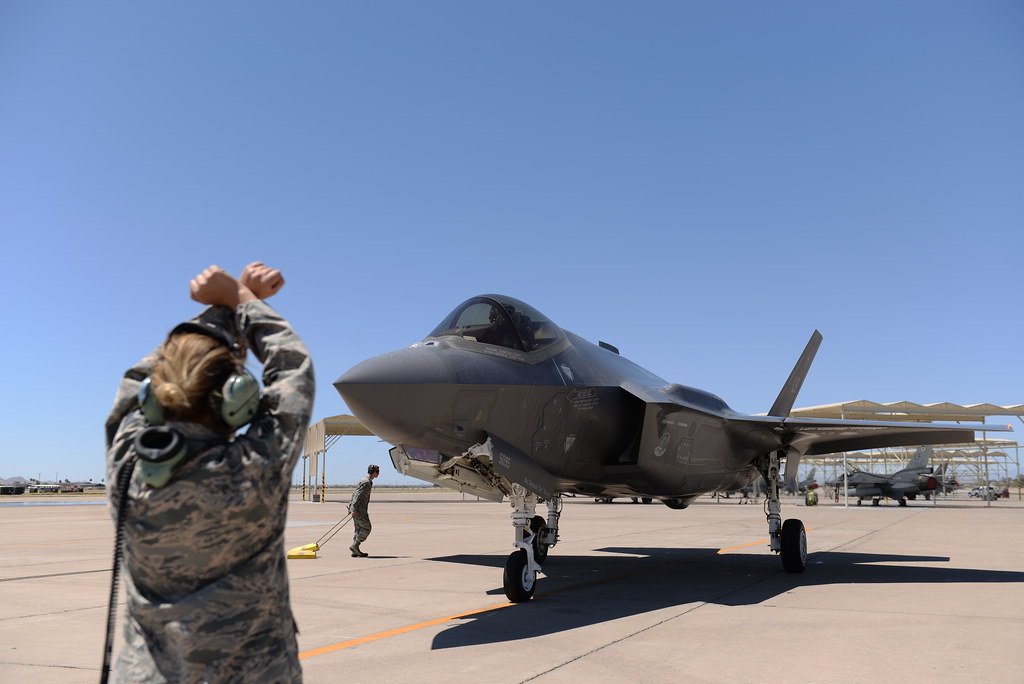
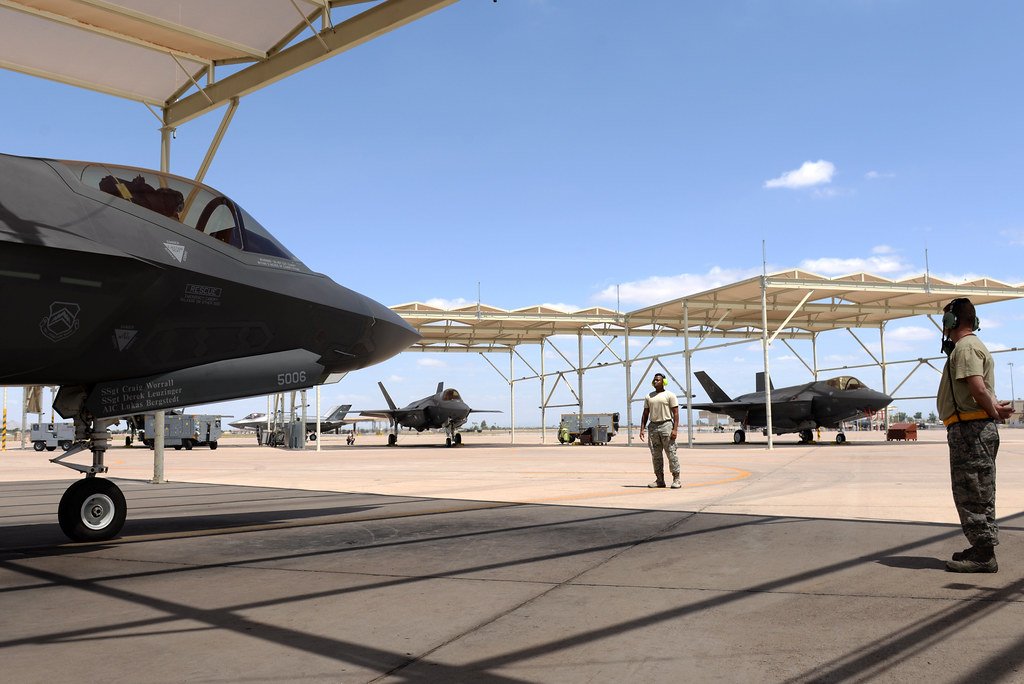
Image credits: Featured image “Lightning Integrated Technicians reinvent F-35 maintenance” and in-article photograph “Lockheed Martin F-35A Lightning II,” both credited to aeroman3 via Openverse/Flickr and marked Public Domain Mark 1.0. The images are archival illustrations of F-35 operations, not photographs of the missing or diverted items. No government endorsement is implied.