Khemetic Nation News Network | By Joseph | November 22, 2026
UNESCO reported on November 20 that ten Latin American media outlets working in exile had received training and technical assistance aimed at strengthening responses to online gender-based violence against women journalists.
What is confirmed
The program ran between April and October 2026 with support from UNESCO’s International Programme for the Development of Communication and regional partners. UNESCO says five participating outlets developed or updated internal protocols, five improved training processes, and all ten now have specific guidance or implementation roadmaps to address online attacks.
Why this matters
Online threats can affect journalists’ safety and the ability of news organizations to publish independently. Staff procedures for recording incidents, preserving evidence and identifying available support can help organizations respond consistently. UNESCO’s report offers the participating organizations as a practical example, not a comprehensive count of threats across every newsroom in the region.
Context and limitations
These are program-reported results, not an independent evaluation of whether harassment has declined. Future reporting should distinguish adoption of guidance from its successful implementation in actual cases.
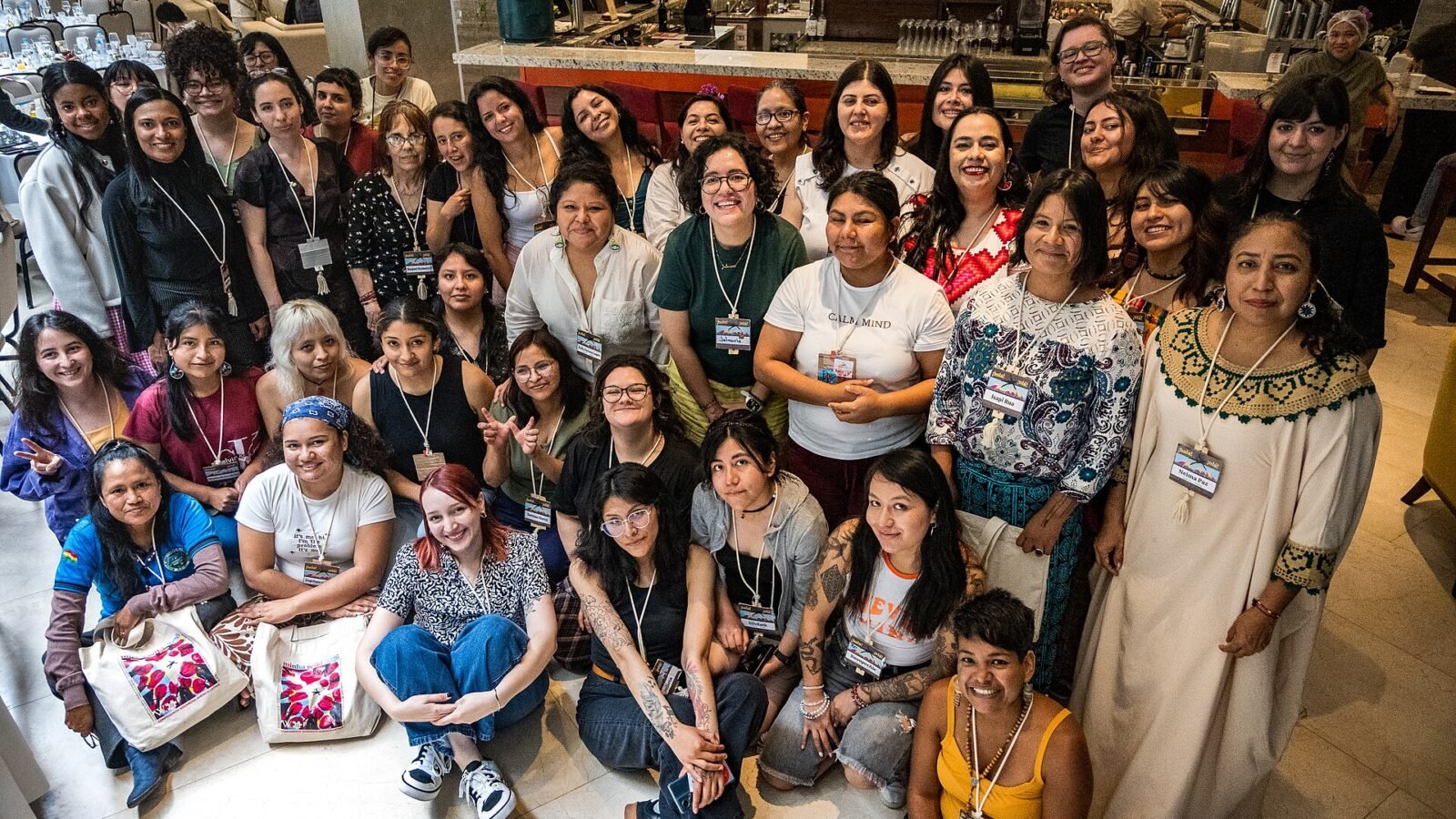
Featured image: Women participating in the Wikimedia Latin America conference’s Wiki Women Lunch on November 21, 2026, photographed by ProtoplasmaKid, Wikimedia Commons, CC BY 4.0. The women shown are not the journalists or newsrooms participating in the UNESCO exile-media support program. The event illustrates a separate gathering of women in regional information communities.
Sources: Original source.