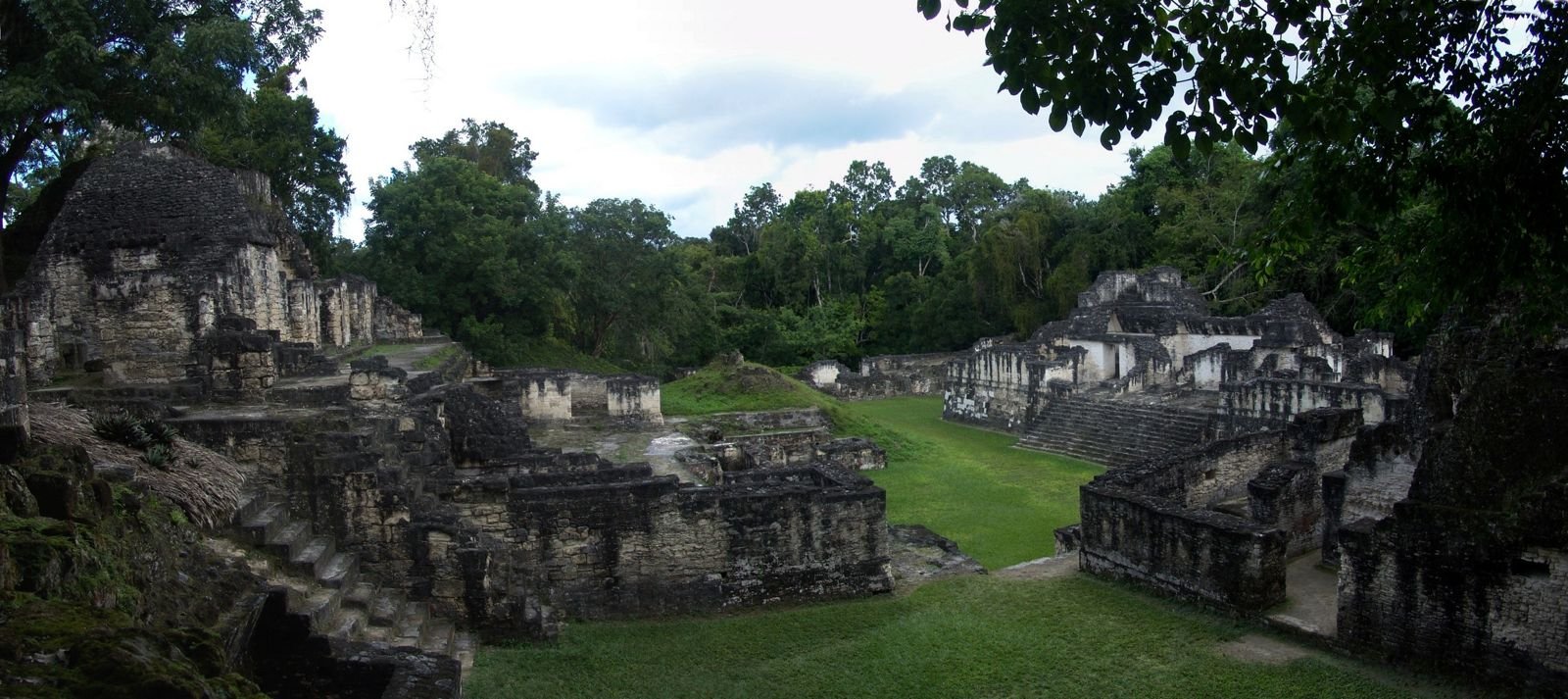
At Tikal in northern Guatemala, storing water for the dry season was a challenge for a large Maya city. The Corriental reservoir preserves evidence of another problem its engineers anticipated: how to treat runoff before it entered storage. In 2020, researchers reported finding zeolite and coarse crystalline quartz in reservoir sediments, materials they interpret as remnants of a filtration system.
What the sediment preserves
The study in Scientific Reports identified minerals using X-ray diffraction and used six radiocarbon dates to anchor the sediment sequence. The researchers proposed that the filter sat at or near an inlet, where runoff could pass through the minerals before reaching the reservoir. The exact structure is a reconstruction from sediment evidence. The team suggested that stone and woven material could have held the quartz and zeolite in place.
| Evidence | What it tells us |
|---|---|
| Quartz grains | Coarse grains could have helped trap particles carried by runoff. |
| Zeolite | The porous minerals can bind some dissolved substances. |
| Repeated quartz layers | The study interprets these layers as evidence that storm runoff periodically carried filter material into the reservoir. |
Water quality varied across Tikal
A separate 2020 study examined sediments from four Tikal reservoirs. Two near the city’s core showed evidence of mercury and phosphate contamination and cyanobacteria capable of producing toxins. The findings help explain why the Corriental evidence matters. Reservoirs within the same city served different catchments and did not necessarily deliver water of the same quality.
Modern water treatment also distinguishes collecting water from treating it. At Corriental, the strongest evidence comes from the minerals preserved in the sediment. Their presence supports the filtration interpretation, while the surviving layers leave open how consistently the system operated or how much it improved the water people drank.
Featured photo: Tikal, Guatemala, by J-f.desvignes via Wikimedia Commons, CC BY-SA 3.0. Resized.