About five miles off Wrightsville Beach, North Carolina, the Veterans Memorial Reef serves as an underwater memorial and provides habitat for marine life. For a senior capstone project, four coastal engineering students at the University of North Carolina Wilmington took on a practical question. How should future reef units be positioned so they stay in place when storms pass offshore?
UNCW described the project on Nov. 9, 2026. Skylar Hinnant, Stephanie Spranger, Lucy Patterson and August Taber modeled reef units in a wave flume, a long tank in which researchers can produce controlled waves. The team used more than a decade of offshore wave records to select storm conditions to reproduce at a smaller scale.
Taking an offshore question into the lab
At the reef site, the water averages about 50 feet deep. The students had only a few feet of water in the lab, so they had to build scaled replicas and use appropriately scaled waves. They recorded wave heights, the time between waves, water velocities and movement of the reef models. Cameras gave the team several angles on how the units responded.
| Evidence | What it tells us |
|---|---|
| Offshore wave records | Helped the team select conditions for the tests. |
| Scaled reef models | Allowed students to observe movement under repeatable wave conditions. |
| Field monitoring | Can show how installed units perform over time. |
From a model to a decision offshore
The tests can help guide placement and anchoring decisions for future units. Long-term stability will depend on how the structures behave at the actual site over time. Coastal Review’s reporting describes the memorial’s origins and the families for whom the reef is a place of remembrance. The capstone connects that purpose to a question coastal engineers can measure: whether a structure stays where it was placed when waves move water around it.
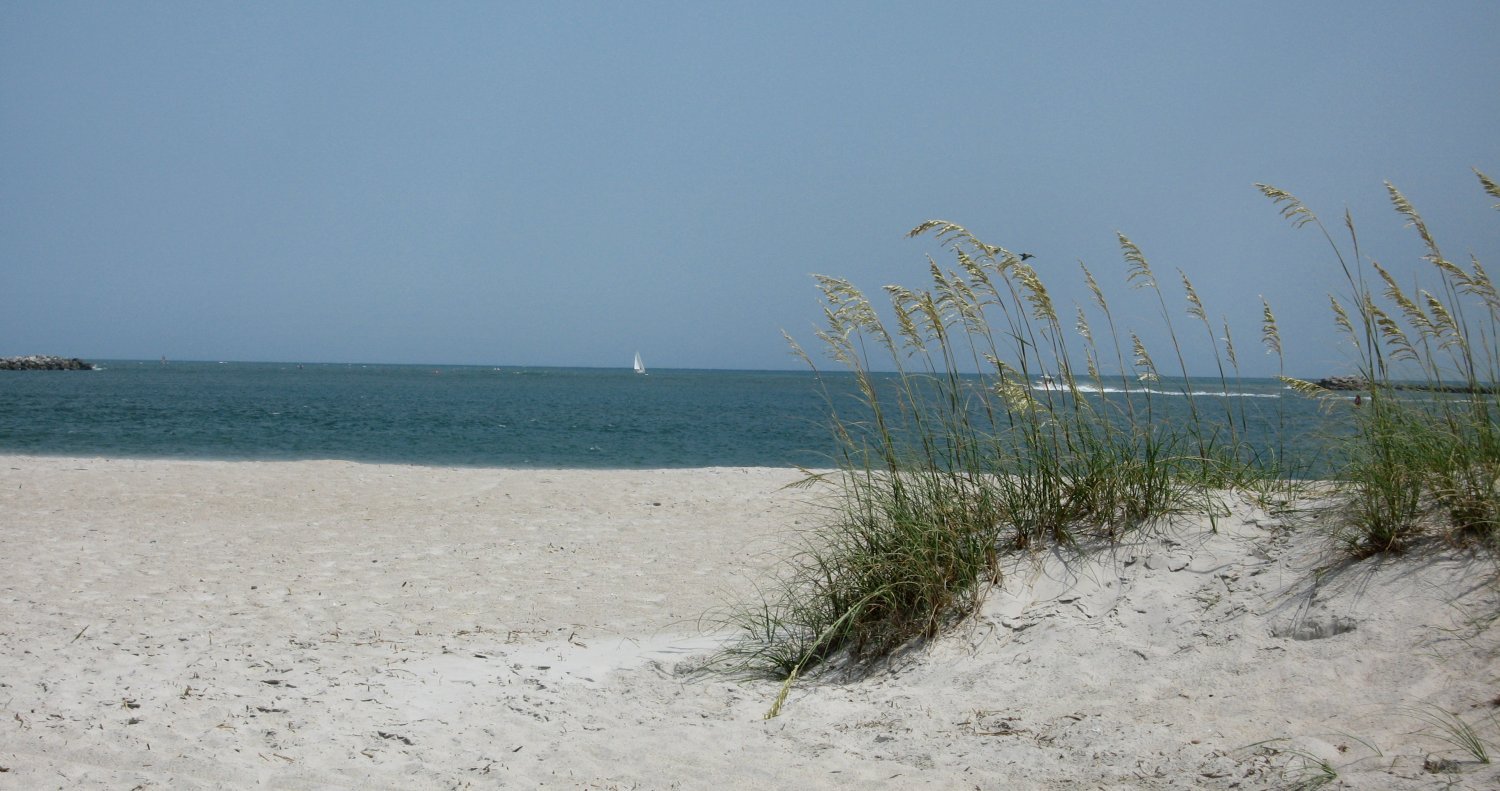
Featured photo: Wrightsville Beach, North Carolina, by Lwilliams82 via Wikimedia Commons, public domain. The reef lies offshore.