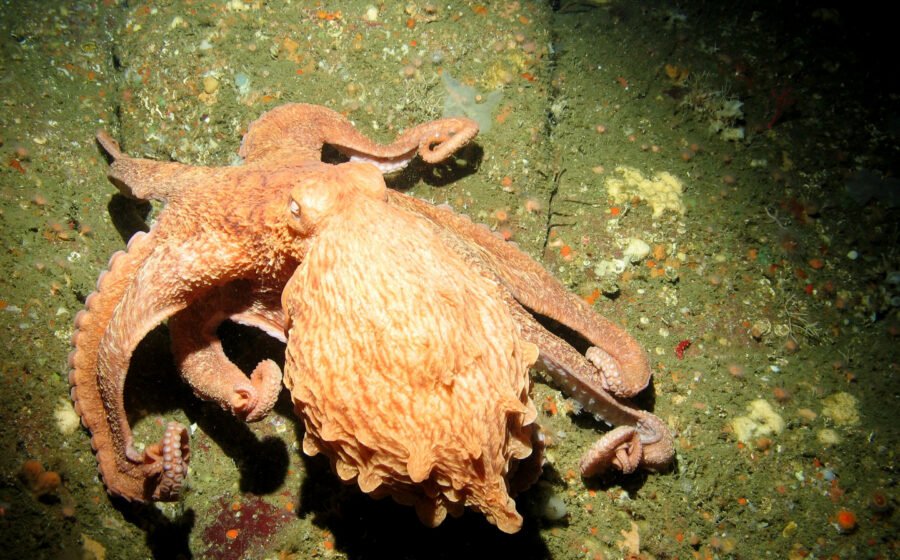
Science archive | Research originally published June 7, 2021. A microscopic freshwater animal recovered from approximately 24,000-year-old Arctic permafrost resumed activity and reproduced after scientists thawed it in a Russian laboratory, according to a peer-reviewed study published in Current Biology. The animal was a bdelloid rotifer, a tiny but complex invertebrate, not an extinct mammal or a creature brought back from confirmed death.
The researchers’ finding offers an extraordinary example of how some organisms can survive almost completely suspended metabolic activity for immense periods. It also raises questions about protecting cells and tissues during freezing—although it does not demonstrate that humans or other mammals can be revived after thousands of years on ice.
What the scientists recovered from the Arctic
Researchers led by Lyubov Shmakova and Stas Malavin studied a sample drilled from frozen ground near the Alazeya River in northeastern Siberia. The permafrost sediment was radiocarbon-dated to about 24,000 years before the present. The team identified an animal in the genus Adineta, part of the bdelloid rotifer group, using anatomical observations and molecular evidence.
The team reported rotifer gene sequences in genetic material from the same permafrost sample—an additional check on the biological identification. When thawed, the rotifer became active, and the researchers established a reproducing laboratory culture. Bdelloid rotifers can reproduce by parthenogenesis, producing offspring without fertilization.
The scientific report, “A living bdelloid rotifer from 24,000-year-old Arctic permafrost,” appeared in Current Biology on June 7, 2021. The age estimate comes from the surrounding frozen deposit; it is not a direct calendar measurement of the animal itself.
How can a microscopic animal survive freezing?
Bdelloid rotifers are tiny multicellular animals that live in freshwater and wet environments. They are known for tolerating environmental stresses, including dehydration and freezing. In a condition called cryptobiosis, metabolic activity falls to an extremely low level, allowing some organisms to endure conditions that would kill most other animals.
The scientists also tested descendants of the revived rotifer. Their experiments showed that the rotifers could withstand slow cooling and freezing for at least seven days. That result helps establish their resilience, but it does not reveal a complete molecular explanation for survival over thousands of years.
In the June 2021 Cell Press announcement, Malavin described the results as unusually strong evidence that some multicellular animals can remain viable during very long periods of frozen dormancy.
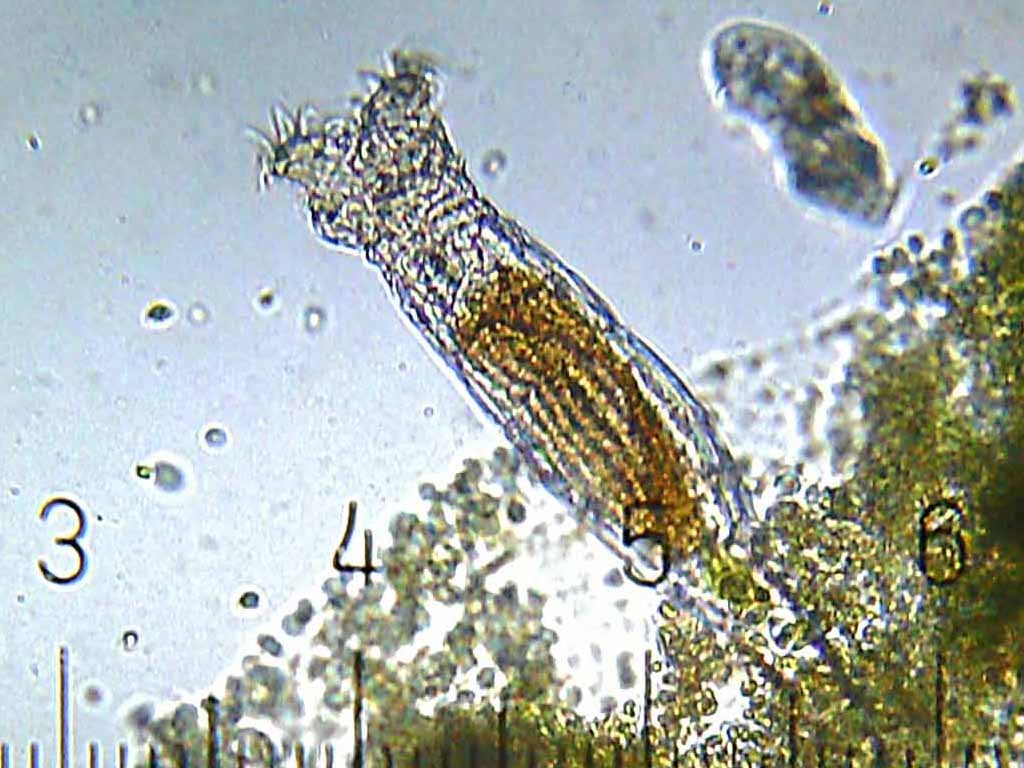
What actual bdelloid rotifers look like

Why the discovery matters to biotechnology
Freezing is already important to laboratory medicine and biology, including the preservation of cells and some biological materials. Yet larger tissues and whole organs present far greater challenges: ice formation, chemical stress and damage during warming can all undermine viability. The rotifer research suggests that naturally resilient animals may offer clues to studying these problems, but no clinical treatment or organ-preservation breakthrough was established by this study.
For U.S. researchers, the subject intersects with work on aging, biological resilience and the basic biology of rotifers. The Massachusetts-based Marine Biological Laboratory highlighted the finding in 2021 alongside commentary from its rotifer researcher Kristin Gribble. Understanding the mechanisms that let a simple animal endure severe conditions may guide future experiments, not promise human “resurrection” or practical cryonics.
What remains unknown
Scientists have not established every cellular mechanism behind the rotifer’s long-term survival, nor can they assume the result applies to more complex animals. Frozen soil may preserve evidence of ancient life, but the discovery does not mean that any animal found in permafrost can be restored to life.
The key finding is narrower—and more scientifically meaningful—than the sensational headline sometimes used to describe it: a microscopic animal survived inside ancient frozen sediment and was able to reproduce after thawing. This is a documented 2021 result, not a new 2026 revival experiment.
Watch: living bdelloid rotifers under the microscope
Watch microscope footage of living bdelloid rotifers, recorded by Andrei Savitsky in 2019 (Wikimedia Commons, CC BY 4.0). This is illustrative archival footage of the animal group, not video of the permafrost specimen being revived.
Sources
- Shmakova and colleagues, Current Biology (June 7, 2021), original peer-reviewed study.
- U.S. National Library of Medicine / PubMed study record.
- Cell Press research announcement, June 7, 2021.
- Marine Biological Laboratory: American researcher context.
- Featured photograph source, Bob Blaylock, CC BY-SA 3.0 (representative bdelloid rotifer, not the specimen recovered in Siberia).