From school buses that record illegal passing to sanitation trucks that photograph homes, governments across America are turning everyday vehicles into mobile enforcement platforms. The growing systems raise questions about public safety, private profit, privacy, unequal penalties and the limits of automated observation.
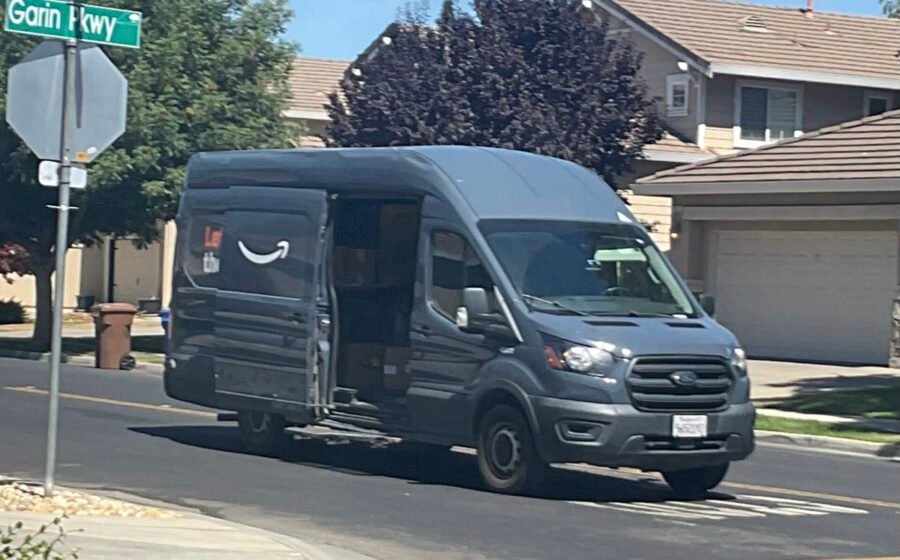
School-bus stop-arm cameras, garbage-truck property scanners, transit-bus parking enforcement and mobile highway cameras do not operate under a single national program. They collect different information, follow different laws and are used for different purposes. Nonetheless, they show how surveillance can be woven into ordinary public services without a resident ever encountering an officer.
To understand the consequences, it is necessary to distinguish a photograph taken during a suspected violation from an automatic license-plate reader that scans vehicles routinely, and an assessed fine from money a government actually collects.
Maryland’s school-bus camera system: 375,000 tickets and $92 million assessed
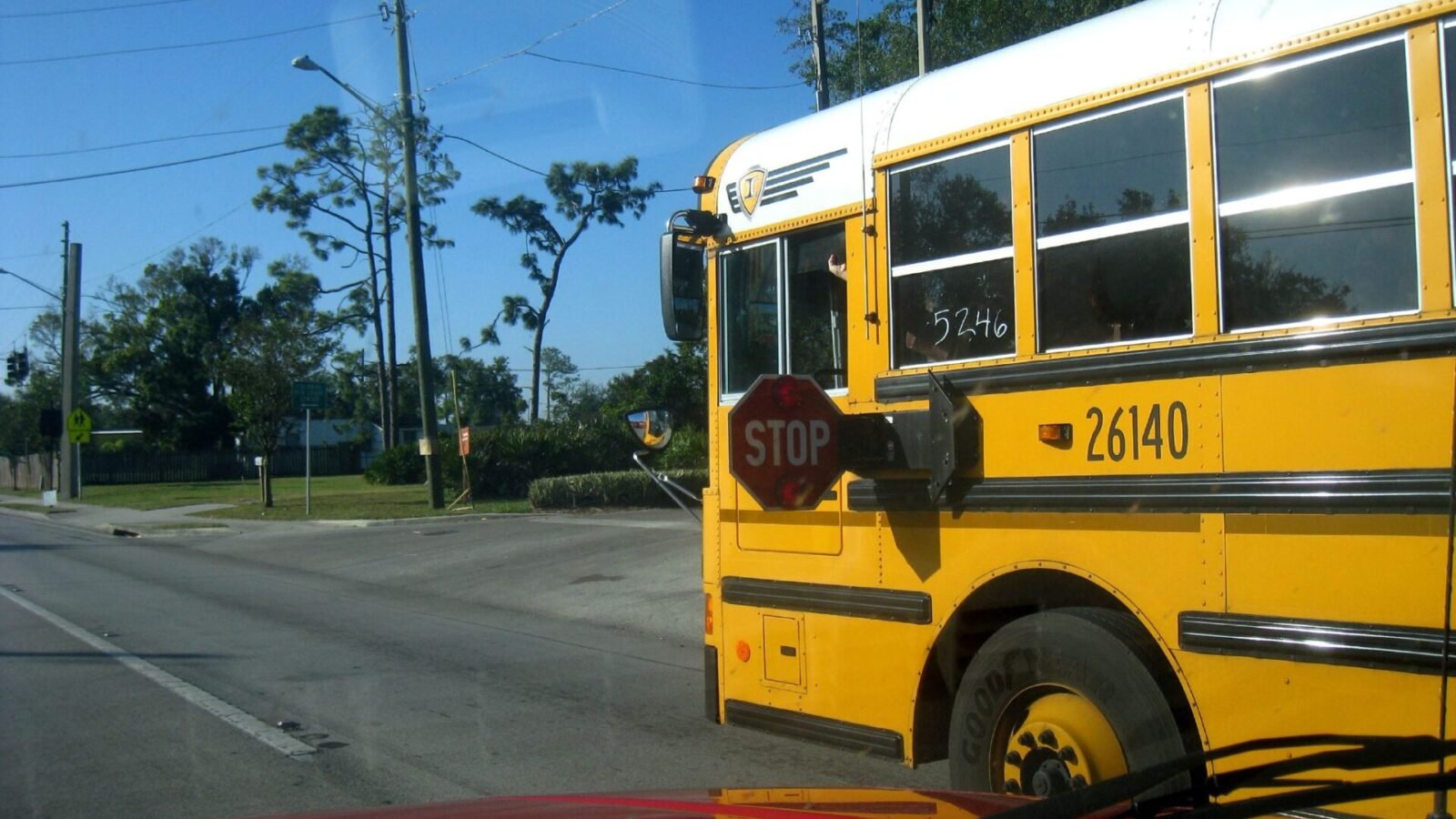
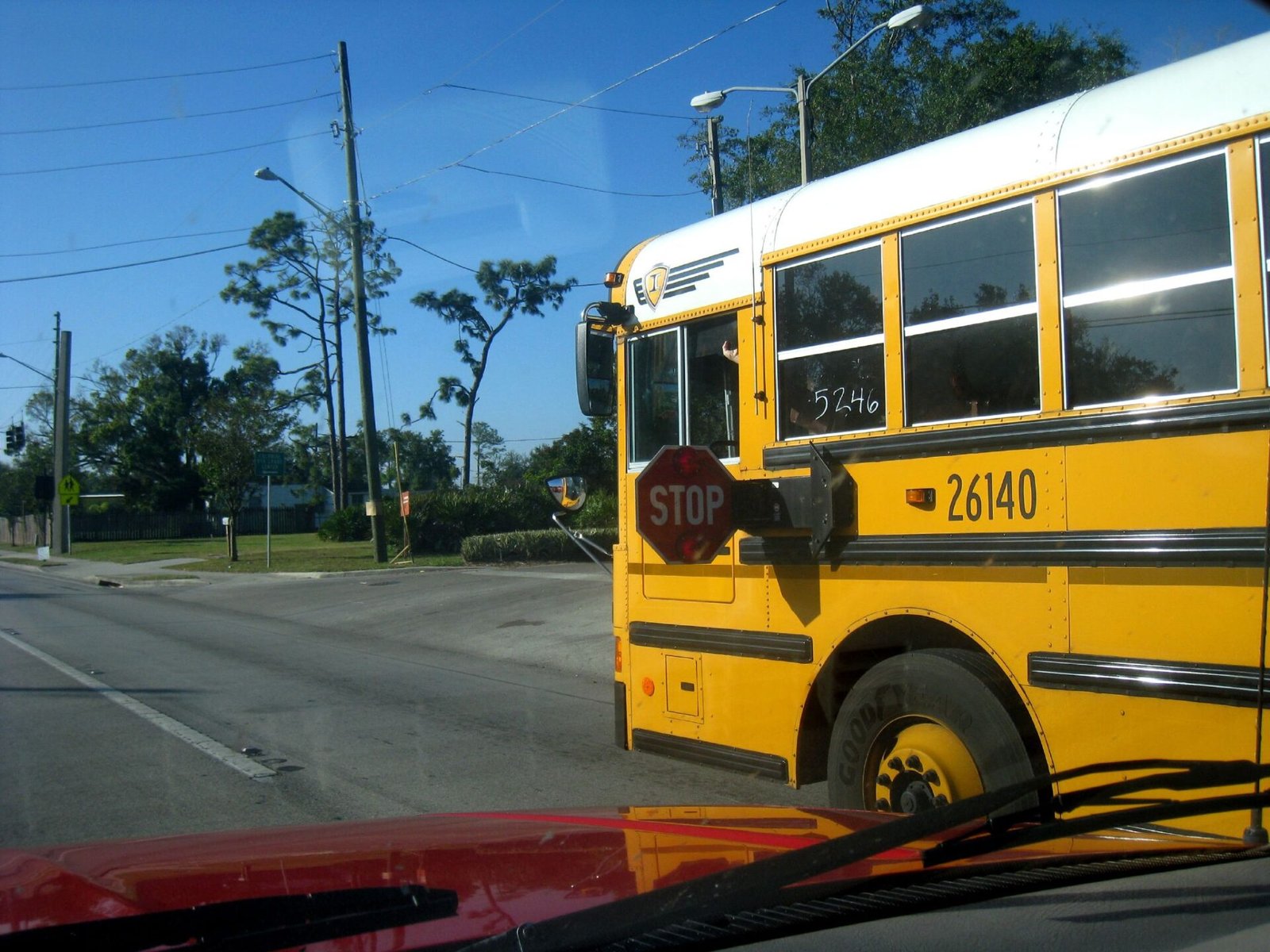
An April 2026 Bloomberg Businessweek investigation reported that BusPatrol-equipped school buses in Montgomery County, Maryland, had generated more than 375,000 citations with a combined face value of approximately $92 million. That is not a claim that the whole sum was paid. The cameras record motorists who pass buses displaying stop arms and flashing red lights. Authorized law-enforcement reviewers determine whether footage supports a civil ticket; in Montgomery County the fine is $250.
The contractor’s business model attracted particular attention. The investigation found that BusPatrol can receive up to 60% of collected citation revenue under some contracts. It reported that between fiscal 2019 and 2024 the company received approximately $40 million from Montgomery County collections while the county retained about $18.5 million. Contract payments can help fund installation and processing, but a share of fine revenue also creates a potential incentive to generate more paid citations.
Researchers comparing county records found that citations per active camera had changed little, from roughly 36 in 2020 to 34 in 2025. A steady ticket rate does not itself prove that cameras prevent no injuries. It does, however, challenge the assumption that issuing more penalties necessarily produces less dangerous driving. Montgomery County says cameras are one part of its broader road-safety program, and BusPatrol defends the systems as protection against illegal passing. Axios Washington’s April 2026 report includes those responses.
The issue is not whether passing a stopped school bus is dangerous—it plainly is. The question is whether a program’s outcomes are independently measured using crashes, near-misses, repeat violations, roadway design and children’s actual exposure to danger, instead of only citation volume.
Dallas garbage trucks: Photographing homes and assigning blight scores
Dallas’s sanitation fleet presents a different kind of automated scrutiny. The city contracted with City Detect for cameras installed on bulk trash collection trucks that move along normal routes photographing publicly visible exterior property conditions. Computer vision looks for potential issues including debris, overgrown grass, graffiti, illegal dumping and damage to buildings.
Records obtained by NBC 5 Dallas–Fort Worth show the system assigning apparent property problems a “blight score” from 1 to 4. By September 2026 the technology had flagged more than 21,000 properties. A city report cited by NBC 5 and FOX 4 said approximately 3,700 courtesy notices had been sent and 57 citations at 34 properties had been issued following staff review and on-site inspection.
Those are distinct stages. A courtesy notice is not itself a fine, and Dallas says the computer does not independently make legally binding findings. The cameras nevertheless allow systematic screening of many more homes than a complaint-driven inspection system might reach. Local reporting put the city’s contract cost at about $852,000 a year.
Critics have questioned whether poorer neighborhoods—where homeowners may lack the funds for repairs—will face higher financial burdens. Council Member Chad West raised concerns about the early geographic concentration of citations in predominantly African American neighborhoods. This warrants examination of conditions, sampling, follow-up inspections and outcomes; the figures alone do not establish intentional discrimination.
City Detect representatives said the technology automatically blurs faces and vehicle license plates. NBC 5 later obtained an image for which the city had to manually redact a plate that was not automatically blurred. The report noted that time, clothing and vehicle markings can still convey information even when a face or license plate is concealed. Dallas officials say this sanitation program is for code enforcement, not police vehicle tracking. There is no verified basis to say Dallas’s garbage-truck images are automatically fed into the separate Flock police network.
Reporting video: Watch FOX 4’s original Dallas report showing the actual trash-truck camera equipment and explaining the code-enforcement controversy.
Huntsville considered the same approach—and did not approve it
Huntsville, Alabama, considered a City Detect agreement for garbage-truck cameras in 2025. Residents challenged the plan at public meetings, raising privacy and oversight concerns. The proposal was withdrawn from City Council consideration on September 25, 2025. Huntsville therefore belongs in this story as a case of community oversight, not as a confirmed operational city issuing fines through garbage-truck cameras.
Which jurisdictions use which vehicle cameras?
| City or jurisdiction | Camera system | What it entails |
|---|---|---|
| Montgomery County, Maryland | BusPatrol stop-arm cameras | Passing stopped school buses; $250 civil citations. |
| Miami-Dade County, Florida | School-bus stop-arm enforcement | Program resumed in 2026 after prior citation and appeals problems. |
| Philadelphia, Pennsylvania | Hayden AI on SEPTA buses and trolleys | Obstructing lanes and stops; more than 211,000 tickets assessed through June 2026. |
| New York City | MTA bus-mounted ACE cameras | Blocking bus lanes and stops or double parking; fines climb from $50 to $250 for repeat violations. |
| Washington, D.C. and Montgomery County, Maryland | WMATA Clear Lanes transit cameras | Photos of vehicles illegally blocking bus lanes and bus stops, sent to local authorities for review. |
| New York State work zones | Mobile radar-camera enforcement units | Speed violations in signed active work zones; $50, $75, then $100 within the relevant 18-month period. |
| Dallas, Texas | City Detect cameras on sanitation trucks | Flags apparent exterior property-code concerns; staff review and inspection before citations. |
| Fridley, Minnesota | Flock license-plate readers | Police investigations and searchable vehicle-location records, not an automated municipal ticket program. |
Examples verified from local investigations and the official rules issued by NYC Finance, New York State, WMATA and the City of Fridley. Individual routes, fine levels and activation dates can change.
Philadelphia: Large fines, but evidence of faster buses
The Philadelphia Parking Authority assessed approximately $14.5 million in fines from camera-equipped SEPTA buses and trolleys between May 2025 and June 2026, according to Axios Philadelphia on July 21, 2026. The program issued more than 211,000 citations, but the agency had collected about 68% of the assessed amount, rather than all of it.
SEPTA reported travel-time improvements of approximately 3% to 6% on equipped bus routes and sizable declines in certain recurring bus-stop obstructions. These results do not settle privacy or fairness questions. They do show why it would be inaccurate to assert that all mobile-camera programs fail to change behavior.
New York: A moving bus can record a parking violation
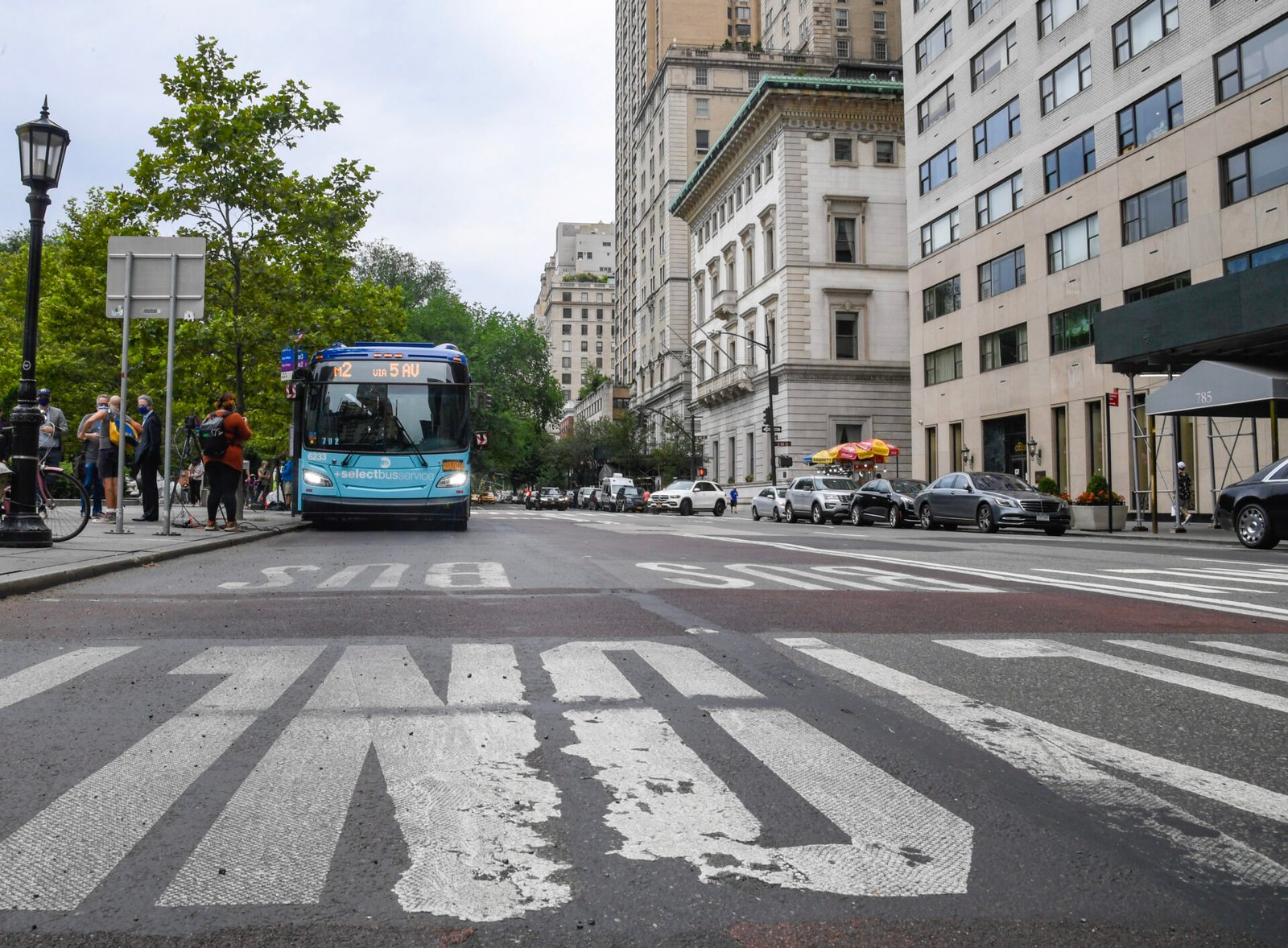
Under the MTA Automated Camera Enforcement program, camera-equipped buses can record vehicles standing or parking in bus lanes or bus stops and some double-parking violations. New York City’s published rules specify $50 for a first qualifying offense, then $100, $150, $200 and $250 for subsequent offenses in a rolling 12-month period. Residents can seek evidence and dispute notices.
New York State separately deploys movable work-zone speed-camera units. Radar and photographs capture speed, time, location and vehicle registration; a state-certified technician reviews potential violations before a notice is issued. The state’s rules include a warning-sign requirement and $50, $75 and $100 graduated penalties. These mobile speed units are different from continuous plate-location tracking.
Flock cameras and the tracking question
Automatic license-plate readers are particularly important because they can record vehicles even when no traffic offense is alleged. They capture a plate, vehicle image, time and location, creating records that may be searched across agency networks. They should not be conflated with the Dallas sanitation scanners or every school-bus stop-arm camera.
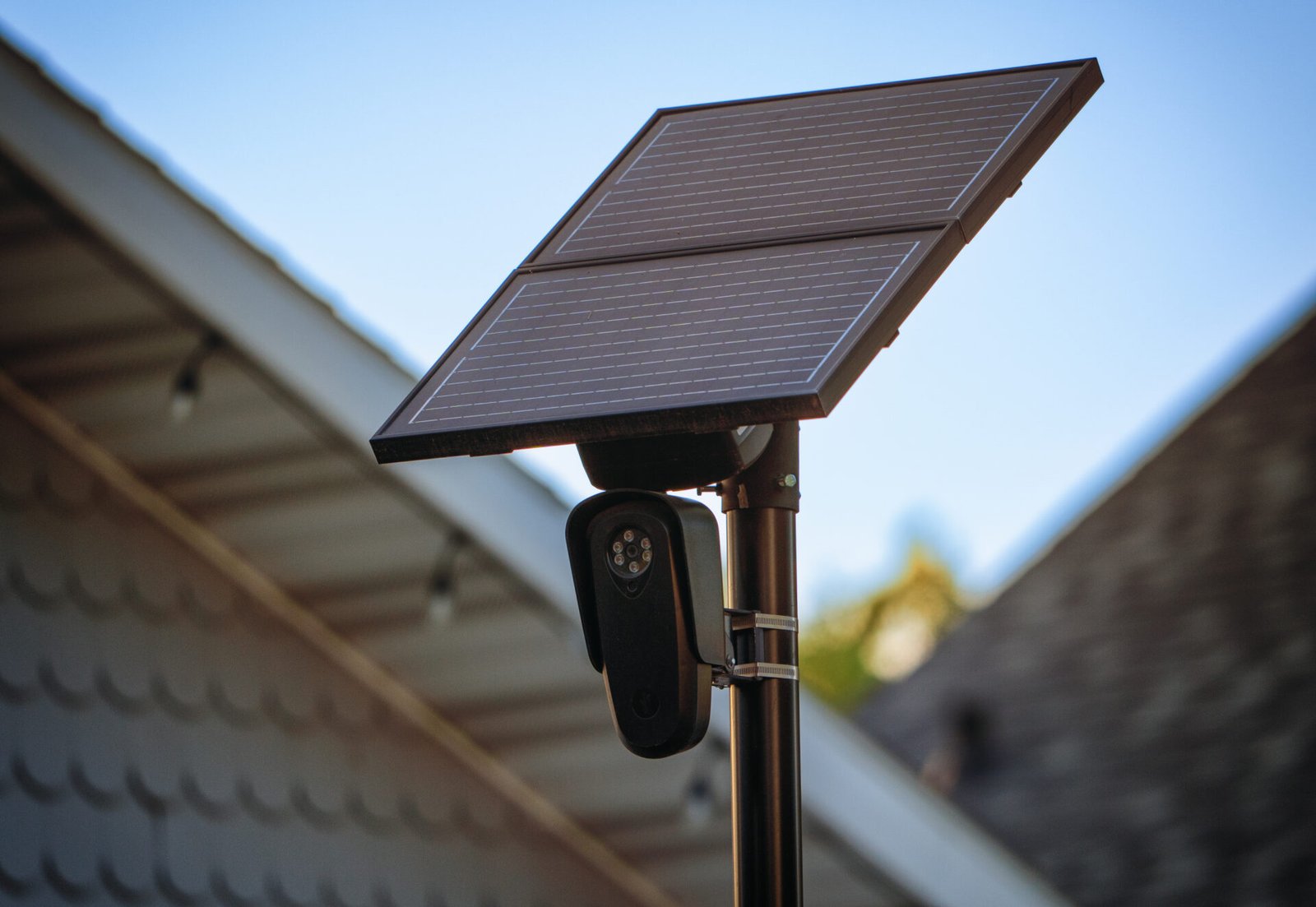
Fridley, Minnesota, confirmed in an August 19, 2026 statement that outside law-enforcement agencies previously searched its shared Flock data for immigration-related purposes contrary to the department’s policy. The city said it restricted immigration-related searches in January, limited sharing to Minnesota agencies in February and restricted access for agencies with certain immigration agreements in July. Fridley also said it had not identified an immigration enforcement action caused by those searches. Both facts deserve to be reported.
Under Minnesota Statutes §13.824, non-investigative plate-reader records generally must be deleted within 60 days, with legal limits on collection, retention, auditing and use. The dispute illustrates why access controls must be tested—not simply promised in a vendor contract.
How close is this to the world of Orwell’s 1984?
George Orwell’s novel Nineteen Eighty-Four portrays a totalitarian government using pervasive observation, propaganda and punishment to control society. The programs documented in American cities are not proof that the country has become Orwell’s fictional state. They operate under publicly contestable laws, with courts, elections, records requests and avenues for appeal.
Yet the analogy presents a serious question about normalization. When everyday vehicles photograph streets and homes, and vehicle records are searchable far beyond their original collecting jurisdiction, observation can expand before ordinary residents understand its scope. The risk of “mission creep” becomes concrete when data collected for one purpose are searched for another.
A constitutional analysis also requires precision. Recording a visible exterior condition from a public street is not automatically equivalent to secretly tracking a person’s movements over time. Courts have recognized important privacy interests in long-term location data, but the law does not declare every public-space camera unconstitutional.
What should residents demand?
- Publish contracts, fees and the exact share of citation revenue paid to vendors.
- Measure injury, crash and compliance outcomes—not just ticket counts.
- Disclose what cameras collect, the locations and the purpose of each system.
- Set enforceable retention and deletion limits and audit who searches records.
- Require review by accountable personnel and effective ways to contest false positives.
- Examine whether enforcement disproportionately burdens communities with fewer resources.
- Limit secondary data use and cross-jurisdictional access unless clearly authorized.
Protecting children, keeping buses moving and addressing unsafe properties are legitimate public functions. But none of those functions should exempt a surveillance program from evidence, oversight or fairness. A camera’s success is not the size of its fines; it is whether it achieves the public purpose without unjustified harm.
Sources and original reporting
- Bloomberg Businessweek, April 14, 2026: The AI School Bus Camera Company Blanketing America in Tickets.
- Axios Washington, April 20, 2026: BusPatrol and Montgomery County enforcement data.
- NBC 5 Dallas, September 17, 2026: City Detect citations and notices.
- NBC 5 Dallas, September 23, 2026: What the sanitation-truck cameras can see.
- FOX 4 Dallas, September 18, 2026: Video reporting on garbage-truck cameras.
- Axios Philadelphia, July 21, 2026: SEPTA tickets, revenue and travel-time effects.
- NYC Department of Finance: MTA bus-camera penalties and appeals.
- New York State: Work-zone speed enforcement process.
- WMATA: Clear Lanes camera program.
- City of Fridley: Official ALPR statement, August 19, 2026.
- Minnesota Statutes §13.824.
- User-supplied commentary video about school-bus AI tickets (secondary commentary, not primary documentation).
Original synthesis of primary rules and attributed reporting. Khemetic.News has not independently interviewed the named participants or personally inspected these installations. All photographs are real, previously taken images, labeled as archival and credited with their respective Creative Commons licenses.