

NEW YORK, Nov. 12, 2026 — New York City has signed a housing law that seeks to change who gets the first opportunity to buy certain troubled or regulated apartment buildings. The Community Opportunity to Purchase Act, known as COPA, became law on November 10 following years of debate over how to prevent affordable homes from being lost through resale and deterioration.
What the new law does
Mayor Zohran Mamdani’s office says COPA gives a defined group of qualified nonprofit organizations, tenant groups, community land trusts and other mission-driven housing providers a chance to compete for eligible properties before they are sold on the open market. The city says the law covers certain multifamily properties with at least four units, including buildings in significant disrepair and those subject to specific affordability agreements.
The law does not require every building to be sold to a nonprofit. Instead, it changes the process for particular eligible transactions and allows approved organizations to try to acquire properties. The Department of Housing Preservation and Development must establish a list of qualified organizations and a notification process.
Why implementation will determine the impact
Access to a first opportunity is different from having the financing to purchase and maintain a building. Qualified organizations will need the capacity to evaluate properties, arrange financing, address repairs and keep housing affordable. Landlords and buyers will also need clarity about the process as the city implements the law.
The measure could make a meaningful difference in neighborhoods where repeated ownership changes have been associated with neglected buildings and pressure on renters. Whether that promise materializes will depend on how many buildings qualify, how quickly groups can raise funds, and how effectively residents are included in the process.
What residents can watch
Tenants and housing advocates can track HPD’s forthcoming eligibility rules, the list of qualified organizations, and any guidance for affected property owners. Signing the legislation is a confirmed milestone; the number of homes ultimately preserved under COPA is not yet known.
Video: The city announces the legislation
Watch the November 10 official press conference in which Mayor Mamdani signed COPA. The recording documents the public signing, not the law’s future housing outcomes.
Source: New York City Mayor’s Office, November 10 announcement. Additional context: amNewYork reporting from the signing.
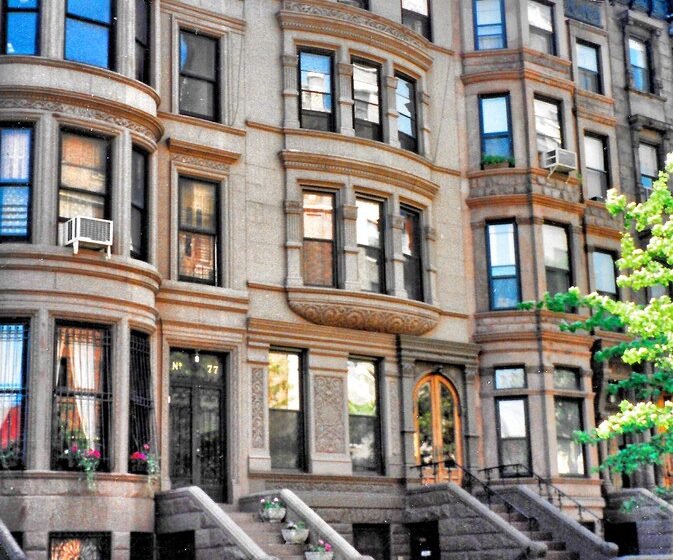
Featured image: archival photograph of residential apartment buildings by wandering architect, CC BY 2.0. The buildings shown are not identified as eligible COPA properties.