Research retrospective | Originally published April 17, 2020
TEMPE, Arizona — Researchers at Arizona State University and collaborating institutions demonstrated that a living photosynthetic organism can be genetically engineered to redirect light-driven electron flow toward the production of hydrogen gas. Their experiment, published in 2020 in Energy & Environmental Science, offered a proof of concept for developing biological systems that could one day help manufacture useful chemicals using sunlight and water.
The modified green algae produced hydrogen under illumination for several days, according to the peer-reviewed paper. That is a meaningful result in molecular biotechnology, but it does not establish a commercially viable method of producing hydrogen fuel.
What the Researchers Changed
Photosynthesis typically uses sunlight to help move electrons through specialized protein complexes, producing chemical energy that supports processes such as carbon dioxide fixation. Two major components in oxygen-producing organisms are Photosystem II and Photosystem I.
Photosystem II contributes electrons by splitting water, releasing oxygen. Photosystem I helps transfer energized electrons to other biological reactions.
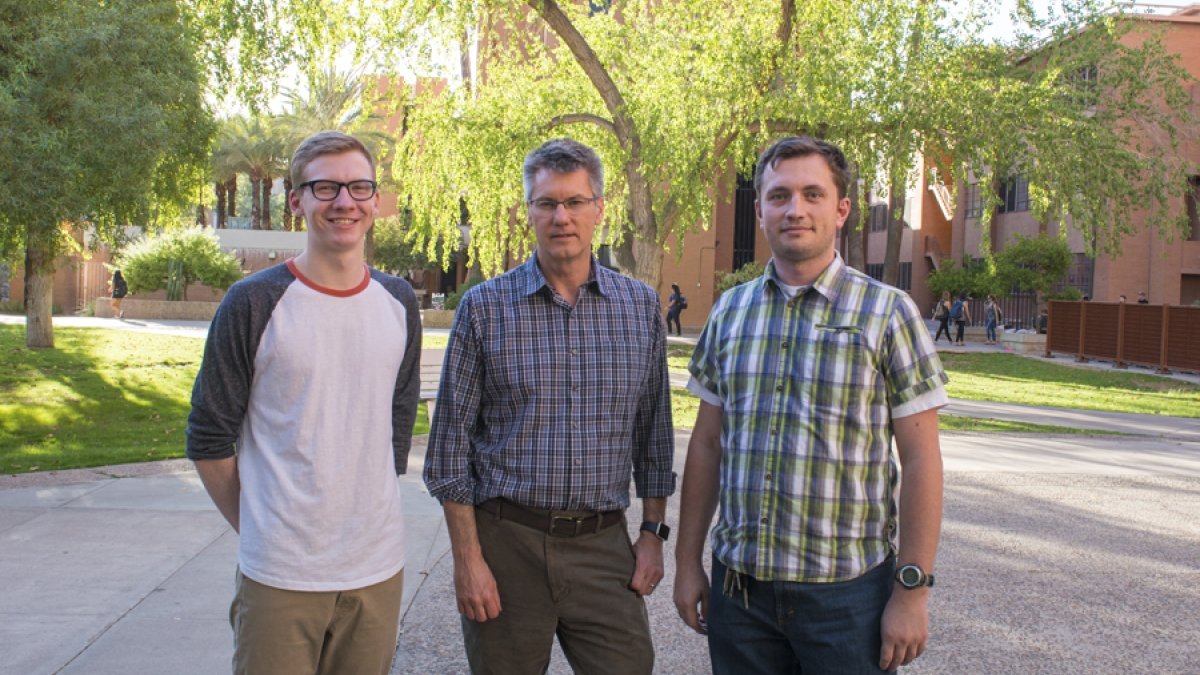
In this study, first author Andrey Kanygin and a team including Kevin E. Redding at Arizona State University engineered a chimera: a fusion between Photosystem I and a hydrogen-producing enzyme known as hydrogenase. They inserted the sequence for an algal hydrogenase, HydA, into the PsaC subunit of Photosystem I.
The resulting protein components assembled and operated inside living algal cells. Electrons that would ordinarily support carbon dioxide fixation could instead be redirected toward proton reduction, the reaction that produces molecular hydrogen (H₂).
Why This Is a Difficult Experiment
Some green algae naturally make hydrogen through hydrogenase enzymes, but oxygen presents a major problem. The hydrogenases used by these algae are especially sensitive to oxygen, which can deactivate them. Normal oxygen-producing photosynthesis generates oxygen in the same system.
Connecting hydrogenase directly to Photosystem I was a way to explore more efficient electron transfer. The team reported light-dependent hydrogen production over several days in engineered cells expressing the new complex. The experiment did not remove all the challenges caused by oxygen sensitivity.
What the Study Proved — and What It Didn’t
Three findings stand out. First, Photosystem I and hydrogenase could be integrated into a functioning engineered complex. Second, that complex was active inside living cells, rather than only in an isolated biochemical preparation. Third, the cells produced hydrogen in response to light over multiple days.
The authors described the system as a proof of concept for redirecting photosynthetic electrons into new types of light-driven chemical reactions. Their experiment did not measure the performance of a commercial hydrogen plant, demonstrate year-round outdoor operation, or establish the costs of production and fuel collection.
Why Hydrogen Matters to U.S. Energy Research
Hydrogen is used in chemical manufacturing and may support some energy and industrial applications. When used in a fuel cell, hydrogen generates electricity without carbon dioxide emissions at the point of use. Its total climate impact, however, depends on the production method and energy supply.
Many established hydrogen-production methods rely on fossil fuels and can produce substantial greenhouse-gas emissions. Biological production powered by sunlight is one possible research direction, although its efficiency, stability, collection systems and economics remain open challenges.
The 2020 project had an American institutional connection through Arizona State University and support from the National Science Foundation, grant CBET-1706960. Collaborators included researchers at Tel Aviv University in Israel and Yogi Vemana University in India, according to Arizona State University’s report.
Next Steps and Remaining Questions
Future research would need to improve hydrogen yields, protect sensitive enzymes, maintain healthy engineered cultures, and safely collect the gas at useful scale. Investigators would also need to compare the overall energy and environmental performance with other methods of producing hydrogen.
For now, the important advance is molecular: scientists showed that they could redirect an existing biological energy-conversion system to perform a different reaction inside living cells. That result provides a basis for exploring new approaches to solar-driven chemistry, not evidence that commercial hydrogen fuel from algae is already available.
Sources and Research
- Kanygin, A. and colleagues, “Rewiring photosynthesis: a photosystem I-hydrogenase chimera that makes H₂ in vivo,” Energy & Environmental Science 13 (2020), pp. 2903–2914. First published April 17, 2020.
- Arizona State University News, May 7, 2020: “ASU scientists rewire photosynthesis to fuel our future”.
- Chemistry World, May 11, 2020: “Photosynthesis rewired to generate hydrogen”.
- SciTechDaily, May 7, 2020: “Scientists Rewire Photosynthesis to Fuel Our Future”.
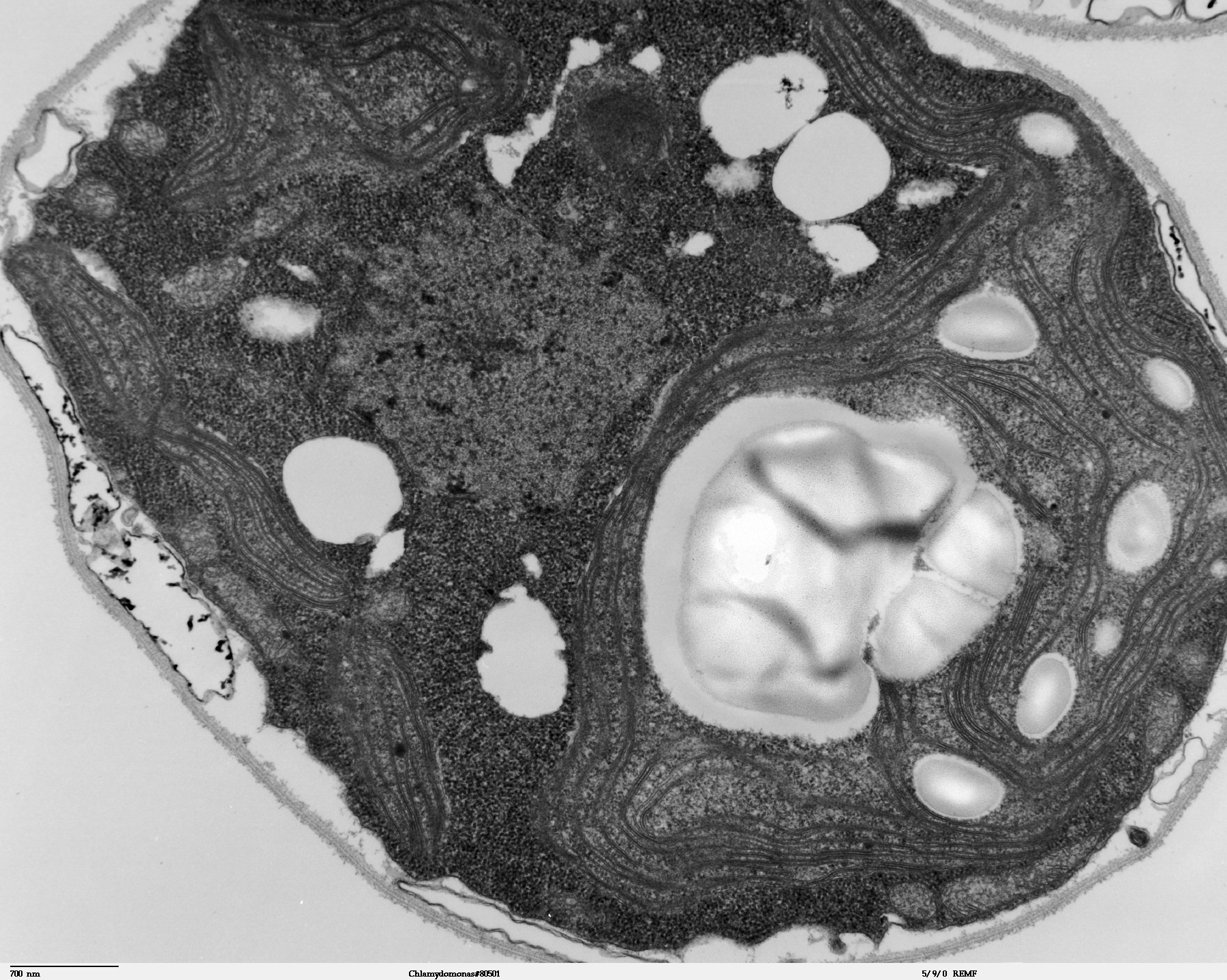
Editor’s note: This article revisits research first published in 2020. It does not describe a new 2026 experiment or a commercial hydrogen product. The inline micrograph is archival and credited separately.