By Joseph | Khemetic Nation News Network | November 12, 2026
Natural England, local archaeologists and volunteers have raised a five-foot sarsen stone that may once have belonged to a Neolithic tomb.
An ancient stone reappears
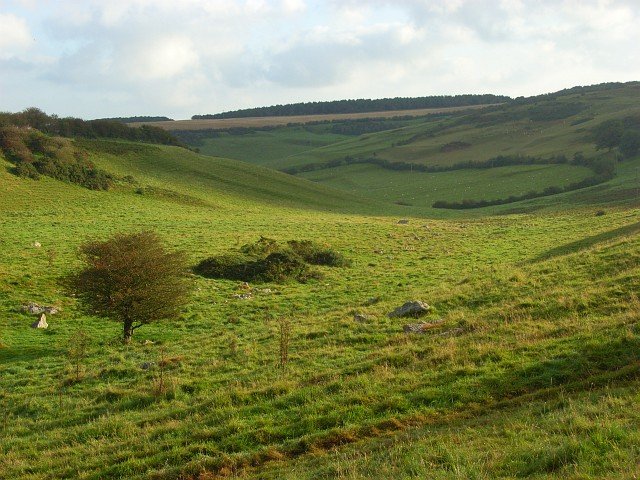
Natural England announced on November 4 that a five-foot sarsen boulder, now called the Bride Stone, has been raised at Dorset’s Valley of Stones National Nature Reserve. The stone was uncovered during scrub clearance and investigated with local archaeologists before being repositioned as a point of interest for visitors.
The prehistoric interpretation
Archaeological work by Past Participate suggests that the stone was once part of a Stone Age tomb. The suggested association is important but not completely proven; researchers cannot infer an entire vanished monument from one boulder alone. The sandstone’s geological age and its possible use by people thousands of years ago are very different dates.
A landscape of lost monuments
The reserve contains naturally weathered sarsen blocks, some of which were moved and assembled by prehistoric communities into burial or ceremonial structures. Evidence may disappear through later land use, dismantling or vegetation. Investigations in the area also identified a prehistoric polishing stone, making the valley a focus of continuing study.
Local stewardship
Natural England, the community archaeology company Past Participate and volunteers took part in the project, with heritage partners supporting broader investigations. Raising the Bride Stone preserves a point of connection with the landscape while leaving questions about its origin open for future research. The accompanying image is an authentic archival photograph of the reserve, not a portrait of this specific stone.
Primary source: Read the original official announcement or supporting record. Photographic attribution and reuse terms are recorded with the featured image in the media library. Historical and illustrative photographs are labeled accordingly.