

Two recent studies suggest that natural daylight may influence blood sugar regulation, but the findings are not proof that sunlight prevents diabetes or replaces established treatment.
Research discussed in a November 2, 2026, TIME report links ordinary daytime light exposure to glucose regulation. A controlled experiment published in Cell Metabolism and a separate analysis of UK Biobank data raise questions about how homes and workplaces could affect metabolic health.
Natural Daylight Versus Artificial Office Lighting
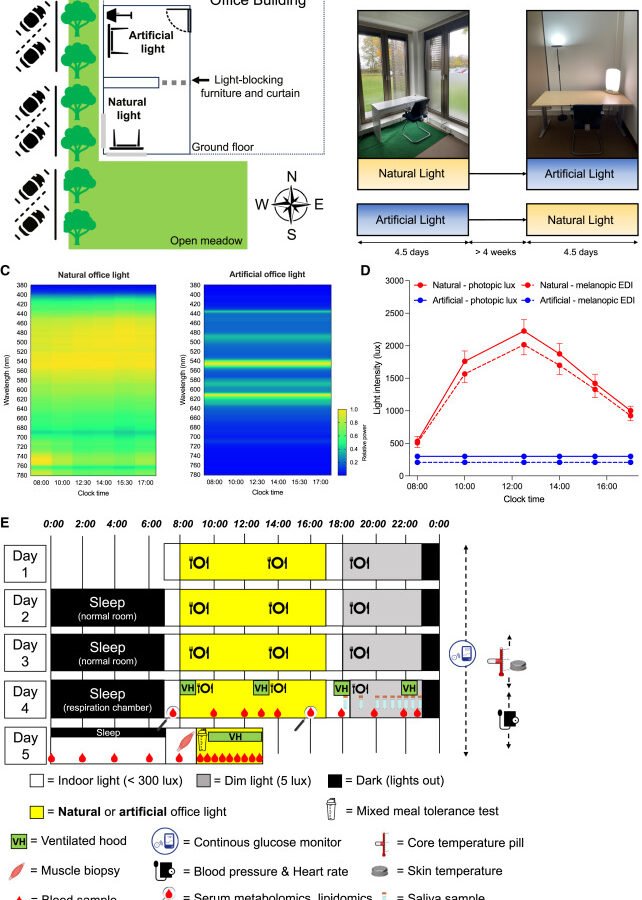
In a randomized crossover study involving 13 adults with Type 2 diabetes, researchers compared exposure to natural daylight through windows with constant artificial office lighting. Participants followed each lighting condition for four and a half days, separated by at least four weeks. Meals, physical activity and sleep schedules were controlled.
Continuous glucose monitors showed that participants spent more time within the study’s normal glucose range under daylight. The scientists also observed greater whole-body fat oxidation and differences in evening melatonin patterns and skeletal-muscle clock activity. These are short-term physiological changes, not demonstrated long-term reductions in diabetes complications.
The study was published January 6, 2026, in Cell Metabolism. The 13-person sample and short intervention are important limitations. Larger studies will need to test whether changing daily lighting improves health outcomes over months or years.
What a Study of UK Biobank Participants Found
A separate August 26, 2026, paper in Scientific Reports analyzed UK Biobank measurements alongside satellite-based estimates of ultraviolet-A sunlight exposure near participants’ homes. The researchers examined exposure over two and seven days before blood-glucose testing.
Higher estimated sunlight levels were associated with modestly lower glucose measurements, particularly in winter. The researchers also found lower observed Type 2 diabetes incidence among certain groups reporting tanning-bed use, but that comparison cannot establish that UV exposure caused the difference.
The tanning-bed association is not a recommendation to tan. Indoor tanning exposes people to ultraviolet radiation that increases skin cancer risk, according to the Centers for Disease Control and Prevention. Environmental sunlight measurements also cannot show precisely how much personal sunlight each participant actually received.
Why Light Might Affect Blood Sugar
Light is a major signal for the circadian system—the body’s internal timekeeping network that helps coordinate sleep, hormone release and metabolism. Researchers are investigating whether well-timed daytime light supports glucose regulation by strengthening these biological rhythms.
The controlled study also found changes in metabolism and muscle-clock timing, suggesting several biological pathways may be involved. Scientists have not established which mechanisms explain the effects or whether they produce lasting clinical benefits.
Why This Matters for Americans
Many Americans spend their workdays indoors, including in offices, schools, hospitals and facilities with limited window access. These findings may eventually inform research on workplace design and lighting, but they do not yet prove that moving a desk closer to a window can prevent or treat Type 2 diabetes.
For people managing diabetes, practical daylight exposure can be considered alongside established habits supporting healthy sleep-wake rhythms. It does not replace prescribed medication, glucose monitoring, nutrition, physical activity or individualized medical care. People going outdoors should continue using appropriate sun protection.
What Remains Unknown
Researchers still need larger clinical trials, longer observation periods, diverse participant groups and direct measures of personal daylight exposure. They also need to establish whether benefits arise from visible light’s effect on biological clocks, ultraviolet pathways or other factors.
The emerging conclusion is measured but important: the light people experience during the day may be relevant to metabolic health, even though its role as a diabetes treatment remains unproven.
Sources
- TIME, November 2, 2026: The Surprising Link Between Sunlight and Blood Sugar
- Harmsen et al., Cell Metabolism (2026): Natural daylight during office hours improves glucose control and whole-body substrate metabolism
- Stevenson et al., Scientific Reports (2026): Sunlight exposure is associated with lower blood glucose levels and type 2 diabetes
- University of Groningen research portal: original study and CC BY licence
- CDC: Preventing skin cancer