

Federal regulators are examining reports of serious burns after seat-mounted side airbags deployed in Ford Explorer SUVs. The investigation covers 2021–2026 models and includes reports involving police officers; no recall for this specific concern has been announced.
WASHINGTON — Federal vehicle-safety regulators have opened a preliminary investigation into reports of second- and third-degree burns after side airbags deployed in certain Ford Explorer SUVs, a review that covers an estimated 1,236,155 vehicles from the 2021 through 2026 model years.
The National Highway Traffic Safety Administration (NHTSA) opening document, dated November 6, 2026, identifies the matter as preliminary evaluation PE26008. The agency is studying the safety implications of the reported injuries; it has not established a universal defect in the vehicles under review.
What the federal records actually say
NHTSA’s Office of Defects Investigation says it received eight Vehicle Owner Questionnaires and four manufacturer Early Warning Reporting submissions describing alleged burn injuries after seat-mounted side-airbag deployment. After removing overlapping submissions, the agency’s opening summary identifies 11 distinct incidents and 10 reported injuries. Its report lists no fatality incidents among those submissions.
The reports involve drivers and front-seat passengers, with injuries typically diagnosed as second- or third-degree burns requiring medical treatment, according to NHTSA. The investigation focuses on seat-mounted side airbags, not the entire airbag system in every Explorer.
The federal document does not identify a confirmed common failure mechanism, the specific manufacturing cause, or a conclusion that all investigated vehicles are defective. NHTSA opened the review to assess the scope, frequency and potential safety consequences of the allegations.
Police Interceptor drivers are among those reporting injuries
Some of the injury complaints concern law enforcement officers in Ford Explorer Police Interceptor vehicles, NHTSA says. Those reports matter for police departments that operate Explorer-based patrol vehicles and must evaluate fleet safety and employee injury concerns.

The appearance of a police vehicle in the federal complaints does not establish that every Police Interceptor has the alleged problem. Investigators must still determine whether the incidents share an underlying cause.
Why airbag burns warrant examination
Airbags are designed to reduce injury in a crash by inflating rapidly between vehicle occupants and hard interior surfaces. Deployment itself can produce abrasions and other injuries, but regulators are examining whether these reported serious burns point to a preventable safety defect.
Exactly what produced the burns described in the Explorer complaints remains an open question in the published NHTSA opening record. The filing does not conclusively attribute them to hot gas, chemicals, fabric, or another deployment-related mechanism.
Is there a Ford Explorer airbag recall?
The November 6 preliminary evaluation is an investigation, not a recall. Car and Driver’s November 9 report likewise distinguished the federal inquiry from any recall order for the burn issue.
An investigation can lead to further review, manufacturer action, a recall, or closure without a recall. Owners should also be aware that separate safety recalls may apply to a particular Ford Explorer. The best way to check an individual vehicle is by its Vehicle Identification Number (VIN), not by assuming that all Explorers in the investigation have the same recall status.
What Explorer owners and fleet operators can do
Owners of 2021–2026 Explorers can look up open recalls at NHTSA.gov/recalls using their VIN, review notices from Ford, and arrange any applicable recall repairs. People who experience an airbag-related injury should seek appropriate medical care and preserve crash records, photographs and treatment documentation.
Drivers or fleet managers with firsthand information about a suspected safety problem can file a report through NHTSA’s vehicle safety complaint system. Airbags should not be disabled or modified on the basis of an unconfirmed allegation.
What comes next
NHTSA is reviewing the reported incident patterns and whether they justify further safety action. As of the available opening documents, the exact cause and any potential remedy remain undetermined. The estimated investigation population describes the vehicles being reviewed, not a count of vehicles proven defective.
The public can track official developments through NHTSA. Reuters reported the investigation on November 9.
Video and primary sources
The 48-second “Hot Airbags” video supplied for this story summarizes the allegations. The accompanying transcript was reviewed; its playback could not be independently verified, so the article links to the video rather than displaying a potentially broken embed.
Primary source: NHTSA, Preliminary Evaluation PE26008, opening resume, November 6, 2026. Additional reporting: Car and Driver, November 9, 2026; Reuters, November 9, 2026.
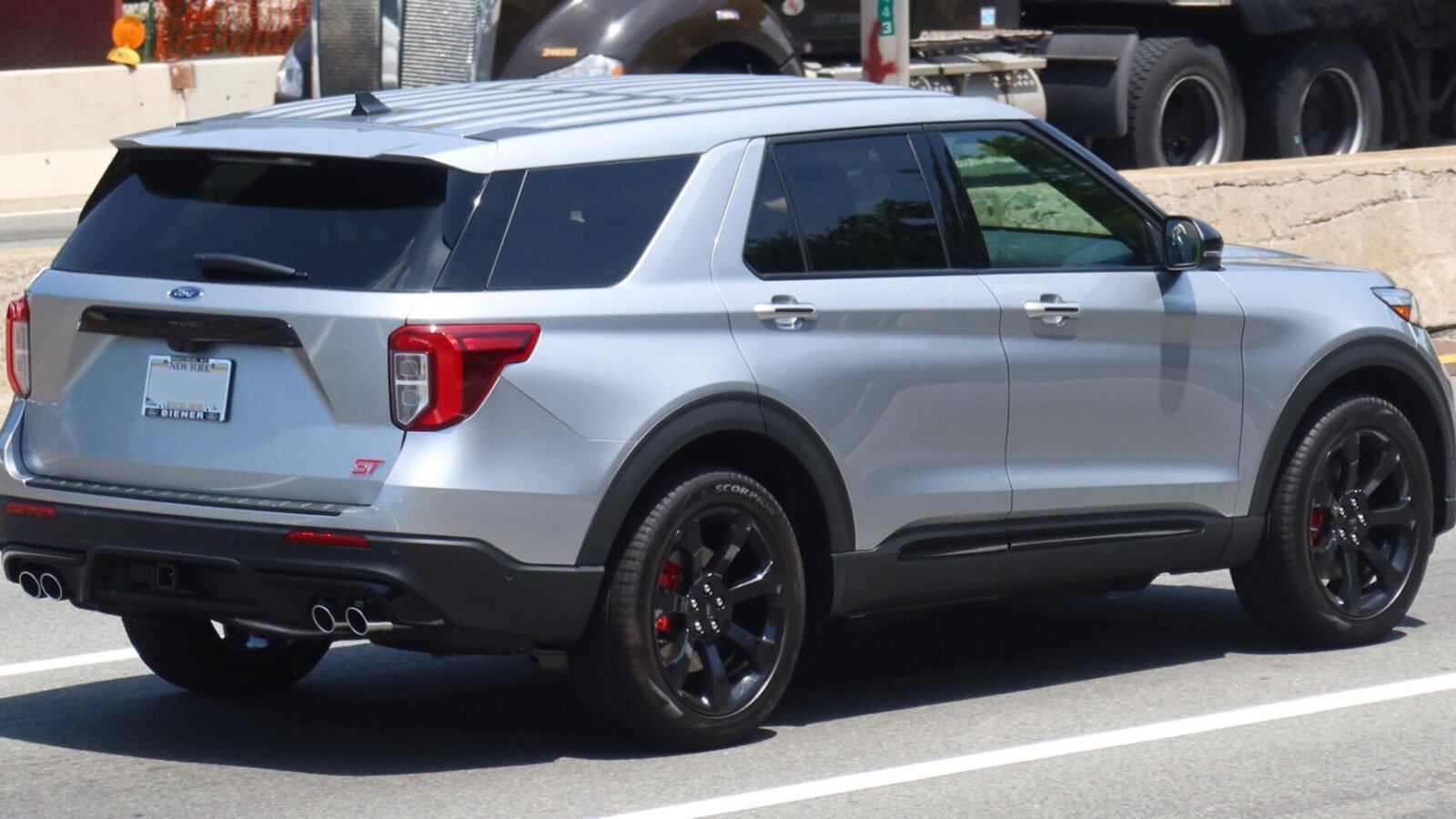
Featured image credit: 2022 Ford Explorer ST, photographed by Kevauto / Wikimedia Commons, CC BY-SA 4.0. Illustrative vehicle image, not a reported incident vehicle; the original was resized by WordPress for display.


