KNN History & Restoration Desk | November 3, 2026 — A new Library of Congress essay published November 2 turns attention to the way community practices are shaped by location and passed between generations. The feature, Folklife and Place, is part of a series connected to the American Folklife Center’s fiftieth-anniversary exhibition, Alive in Many Hands.
Why a place belongs in an archive
Historic records can preserve more than official dates, documents and buildings. Photographs of family gatherings, songs, food traditions, crafts and accounts of migration help show how ordinary people form community identities. In its November 2 essay, the Library draws from items documenting community life to explain how customs are shaped, practiced and adapted in particular places.
One archival photograph cited in the essay records a 1987 wedding in Lowell, Massachusetts. It illustrates how a single event can preserve evidence of a community’s language, customs, relationships and migration history without reducing those people to a single historical label.
Preservation beyond the museum walls
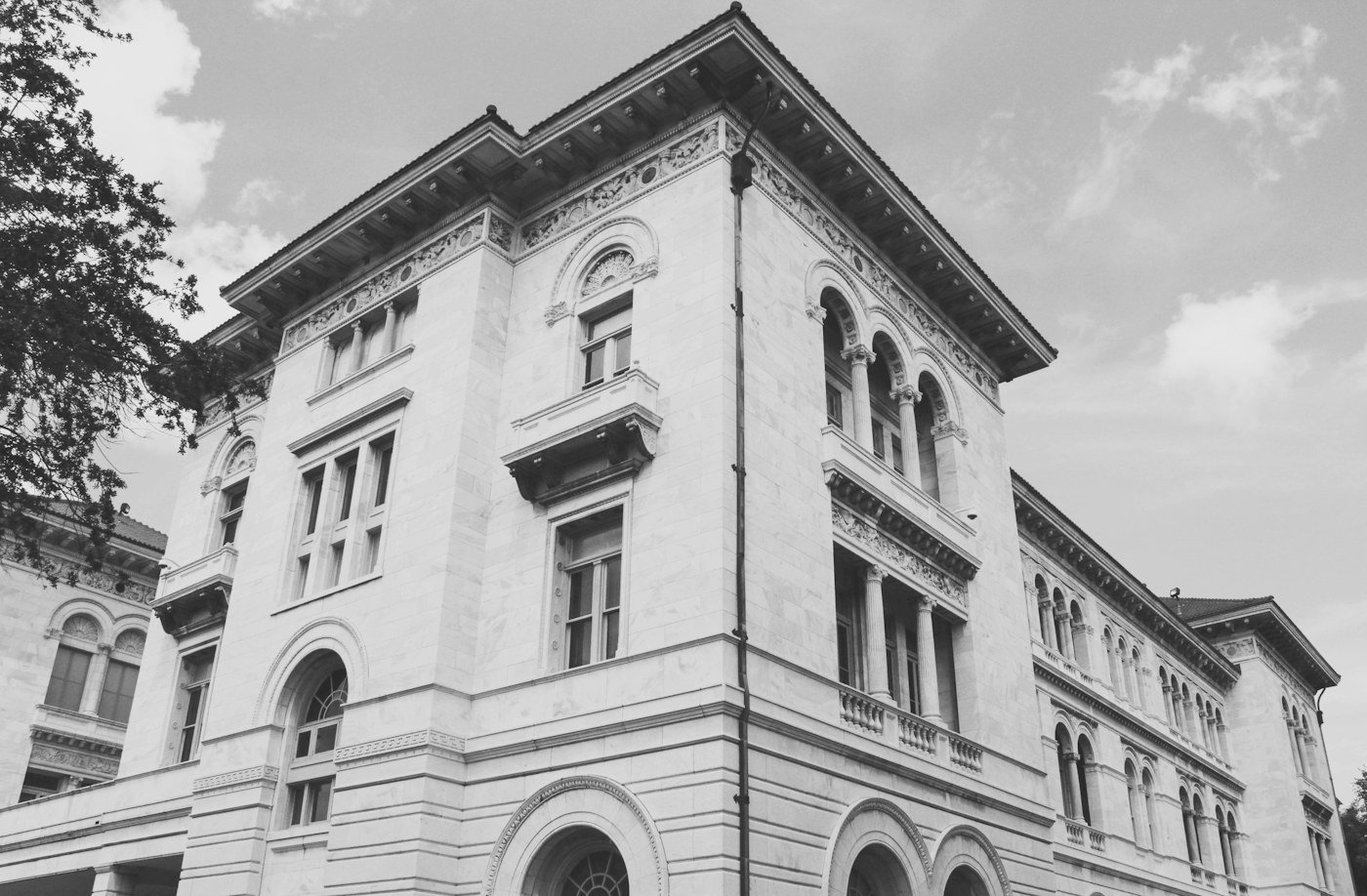
The American Folklife Center was established in 1976. Its anniversary exhibition at the Library’s Thomas Jefferson Building in Washington, D.C., uses artifacts, photographs, recordings and film to explain the value of living cultural traditions. The Library lists the exhibition as open through January 8, 2028.
Conservation work raises practical questions: Who recorded a tradition? Can the community access it? What permissions or historical context should accompany recordings and photographs? Preserving knowledge responsibly requires more than storing a file; it also means representing the people who created the record accurately.
Sources: Library of Congress Folklife Today, November 2, 2026 and Library of Congress exhibition information.