Khemetic Nation News Network | Science Desk | October 17, 2026
A new window on the death of a star could open next week. University of Colorado Boulder researchers announced on October 16 that the NASA-supported INFUSE-2 sounding rocket is readying for a launch window that begins October 19, 2026, at the Poker Flat Research Range in Alaska.
What the mission will study
INFUSE-2 is designed to examine the Dumbbell Nebula, also known as Messier 27, in far-ultraviolet light. The nebula formed as an aging star expelled material into surrounding space. Researchers hope the ultraviolet view will provide fresh information about how such stellar debris spreads and contributes to later generations of stars and planets.
The rocket flight is expected to last roughly 15 minutes. Its payload includes an ultraviolet instrument that combines imaging and spectroscopy, together with a second technology demonstration called SUMO that uses small digital mirrors to select observational targets. These are planned capabilities and goals: the flight has not yet occurred, and no new INFUSE-2 observations have been reported as of October 17.
A philosophical parallel, not a scientific prediction
In the 2018 Book of Maat, The Seven Principles of Maat (printed page 157), the Principle of Rhythm describes cycles of emergence, decline and renewal. This offers an interpretive parallel to the way astronomers investigate the life cycles of stars. The book’s philosophical teaching is not evidence for the rocket’s measurements or astrophysical models; those conclusions must come from observations.
The announced research also provides practical engineering training for university students involved in designing and operating space instruments. Future launch updates will determine when data can actually be analyzed.
Source
University of Colorado Boulder LASP mission announcement, October 16, 2026. Book comparison: Book of Maat (2018), The Seven Principles of Maat, printed page 157; philosophical interpretation is KNN editorial context.
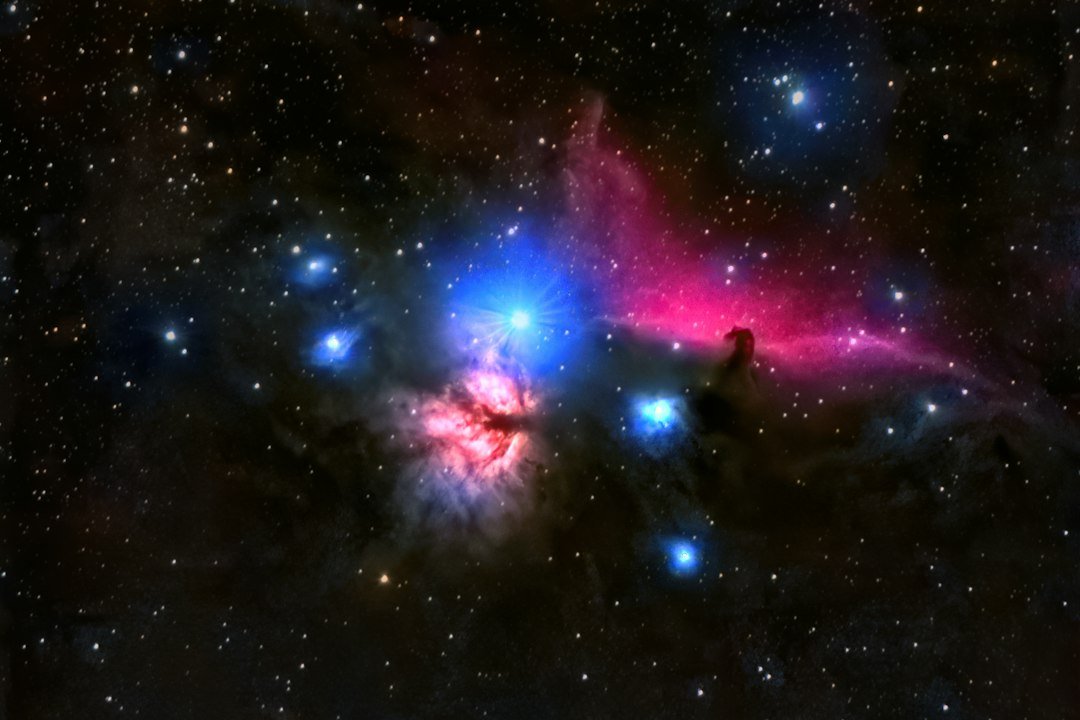
Featured image: illustrative nebula photograph, not the Dumbbell Nebula or new INFUSE-2 data. Photo: Sheng Hu / Unsplash.