MINNESOTA AND NEW MEXICO, November 4, 2026 — Two Native American women made U.S. political history in the November 3 midterm elections. Minnesota voters elected Peggy Flanagan, a citizen of the White Earth Nation, as the first Native American woman to win a seat in the U.S. Senate. New Mexico voters elected Deb Haaland, a citizen of Laguna Pueblo, as the first Native American woman to become a state governor.
Both races were called by the Associated Press and confirmed by state election returns. The results remained unofficial pending certification on November 4. The women are senator-elect and governor-elect, respectively; they will take office in 2027.
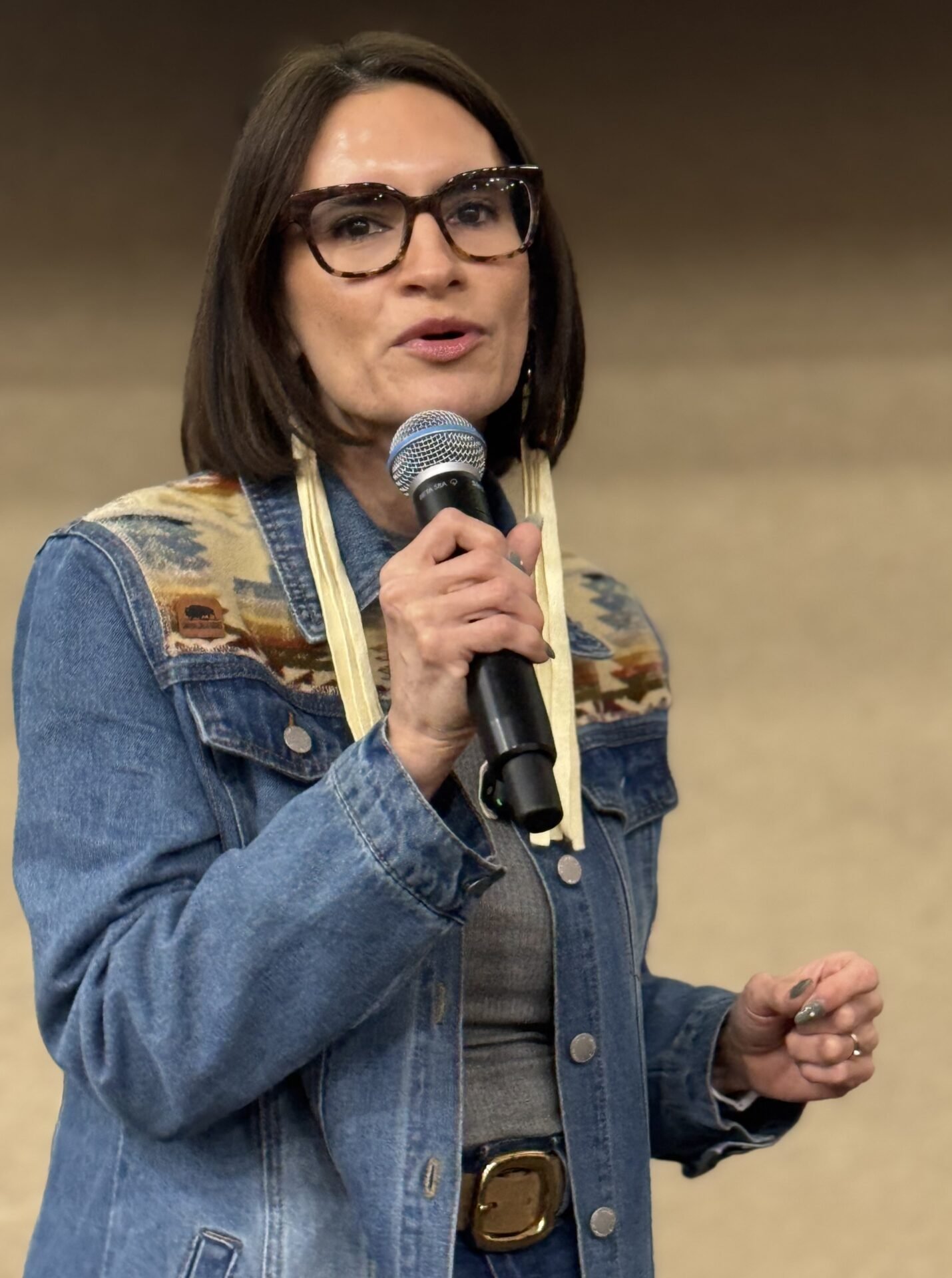
Peggy Flanagan wins Minnesota’s Senate seat
Flanagan defeated Republican Michele Tafoya to succeed retiring Democratic Senator Tina Smith. The Minnesota Secretary of State’s unofficial results reported 1,520,295 votes (53.71%) for Flanagan and 1,232,677 (43.55%) for Tafoya, with all 4,105 precincts reporting. Additional candidates received the remaining votes.
Before serving as lieutenant governor, Flanagan held positions on the Minneapolis school board and in the Minnesota House of Representatives. MPR News documented how generations of Ojibwe women leaders, organizers and mentors helped shape her career. Her election brings a Native woman’s voice into a chamber that historically ratified treaties and made consequential decisions affecting tribal nations.
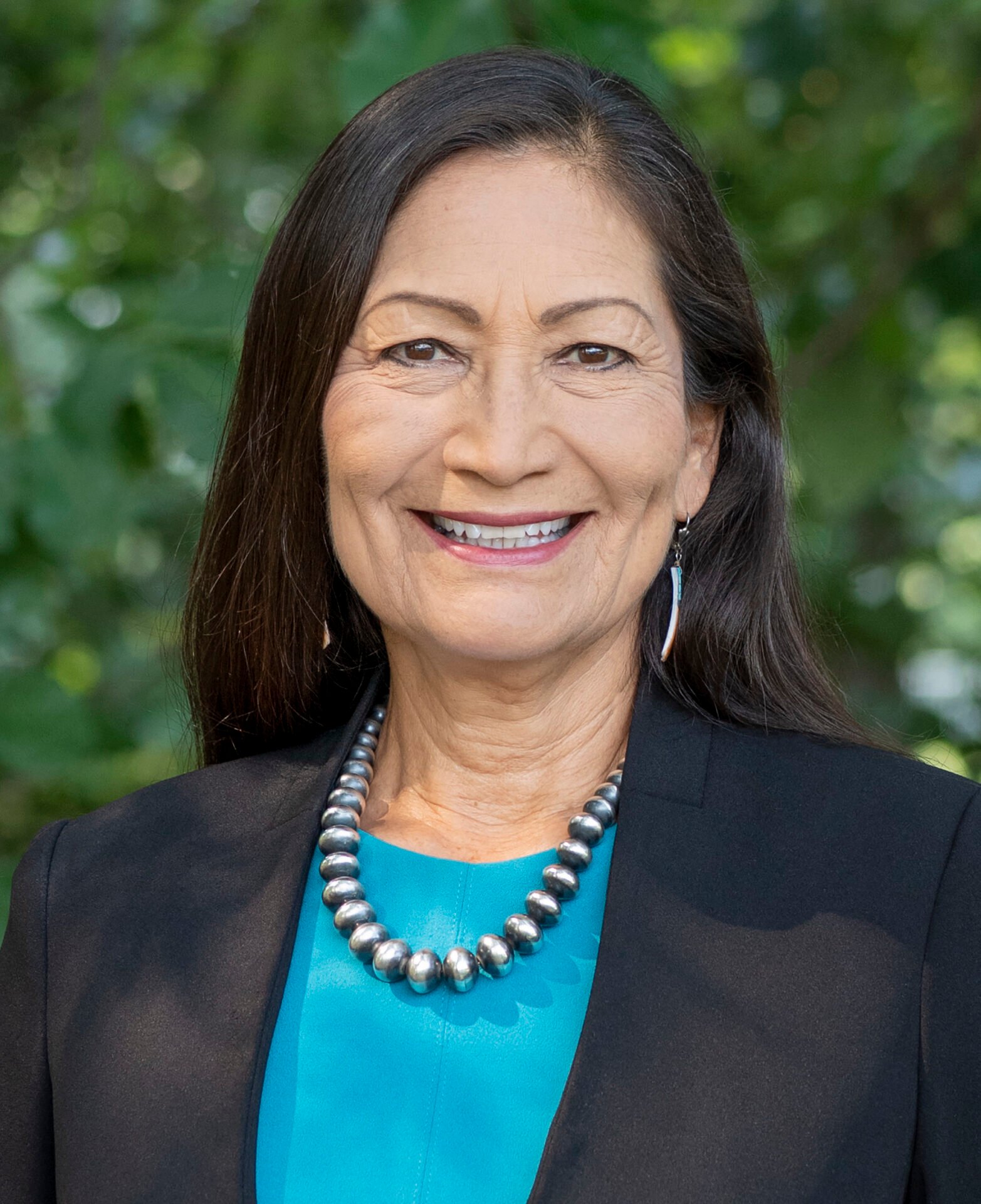
Deb Haaland becomes New Mexico’s governor-elect
Haaland defeated Republican Gregg Hull, a former Rio Rancho mayor. New Mexico’s Secretary of State reported all 2,204 precincts fully counted early November 4; the Haaland–Stephanie Garcia Richard ticket received 412,834 votes (57.25%), compared with 308,315 (42.75%) for the Hull–David Gallegos ticket. These figures remain unofficial until certification.
The victory adds another milestone to Haaland’s political career. She and Sharice Davids became the first two Native American women elected to the U.S. House in 2018. In 2021, Haaland became the first Native American Cabinet secretary, leading the Department of the Interior under President Joe Biden through 2025. Rutgers University’s Center for American Women and Politics reports that New Mexico has now elected the country’s first gubernatorial ticket composed entirely of women of color.
Why the victories matter beyond election night
Each winner is a citizen of a distinct Native nation with its own sovereign government and history. Their elections are milestones in political representation, not substitutes for treaty obligations, tribal self-government or public accountability. Policy records and results—not symbolism alone—will determine what these new offices mean for constituents and tribal communities.
The historical distance is significant. The National Park Service explains that the 19th Amendment did not immediately grant Native American women an effective right to vote. U.S. citizenship was extended to Native Americans born in the United States in 1924, with discriminatory voting barriers persisting afterward.
Haaland’s Interior record includes launching the Federal Indian Boarding School Initiative in June 2021, an effort to examine the federal role in institutions designed to assimilate Indigenous children, often by separating them from families and suppressing cultures and languages. That documented work is part of the history behind her election, not a guarantee of what her governorship will accomplish.
Certification and next steps
Both states will complete canvassing and certification through their established processes. The story of Native American women in public office will continue well beyond November 3: it will be measured through governing, congressional legislation, consultation with tribal nations and the performance of the officials elected.
Video: Flanagan’s historic Senate victory
Watch FOX 9 Minneapolis–St. Paul’s original November 4 video report. The news video is linked from its broadcaster and has not been copied or reuploaded.
Sources
- Minnesota Secretary of State — unofficial 2026 results
- New Mexico Secretary of State — unofficial 2026 results
- Rutgers Center for American Women and Politics — 2026 milestones
- MPR News — White Earth Nation and Flanagan’s leadership history
- New Mexico In Depth — Haaland election reporting
- National Park Service — Native women and voting history
- Department of the Interior — federal boarding school initiative
Updated November 4, 2026. Vote totals are unofficial as of the date of reporting and are subject to certification.