KNN | Khemetic Biotech | November 6, 2026
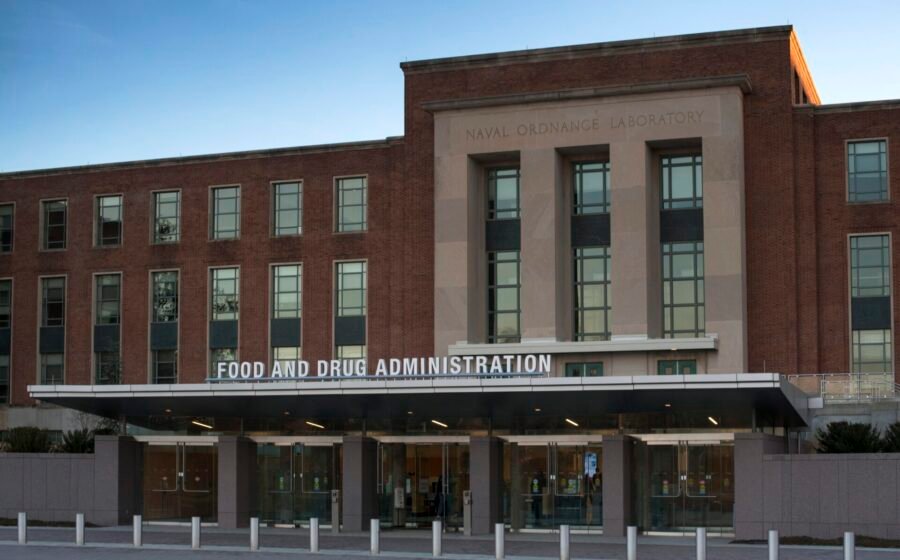
A major biotechnology development is changing treatment possibilities for families affected by sickle cell disease. In July 2026, the U.S. Food and Drug Administration expanded eligibility for Casgevy, a CRISPR-based gene-editing treatment, to certain patients as young as two years old.
Sickle cell disease is an inherited blood disorder that can cause severe pain, organ damage and life-threatening complications. Casgevy involves collecting a patient’s blood-forming stem cells, editing them and returning them following intensive medical preparation. It is a significant advance, but treatment requires specialist facilities and careful monitoring, and long-term risks remain under study.
Scientific approval does not automatically mean equitable access. Families may face insurance restrictions, travel and housing costs, time away from work and difficulties reaching qualified treatment centers. Access must be evaluated alongside effectiveness and safety.
Who pays for the treatment, and how do manufacturers, insurers, public programs and hospitals determine who receives it? These are crucial questions for patients and policymakers alike.
KNN will follow the evidence and the money: manufacturing costs, coverage decisions, patient assistance, long-term outcomes and the practical barriers families encounter.
Sources and further reading: U.S. Food and Drug Administration; ClinicalTrials.gov.