By Joseph | Khemetic Nation News Network | November 12, 2026
A new MIT method trains climate-model emulators on smaller, carefully selected synthetic datasets while improving performance on previously unseen scenarios.
A new technique reported November 12
MIT researchers have described a method for training faster and more adaptable climate emulators—machine-learning tools that approximate the results of more computationally expensive climate models. Emulators allow scientists to compare many potential scenarios, including the possible climate consequences of human emissions and proposed interventions, in much less time.
Smarter data selection
Instead of requiring very large training datasets, the method chooses carefully designed synthetic examples that help an emulator learn useful structure in climate simulations. MIT says models built with the new strategy could accurately predict certain outcomes for scenarios they had not seen during training, while conventional emulator methods performed less well under those tests. The research was presented in a scientific paper and described by MIT News.
Why speed and trust matter
Public agencies and researchers need to examine many alternative futures when studying infrastructure, agriculture, health or emissions policy. A tool that runs in seconds can support rapid scenario screening and uncertainty exploration. However, the emulator is still an approximation of underlying climate simulations and can inherit limitations from their assumptions and training data.
Not a replacement for physical climate science
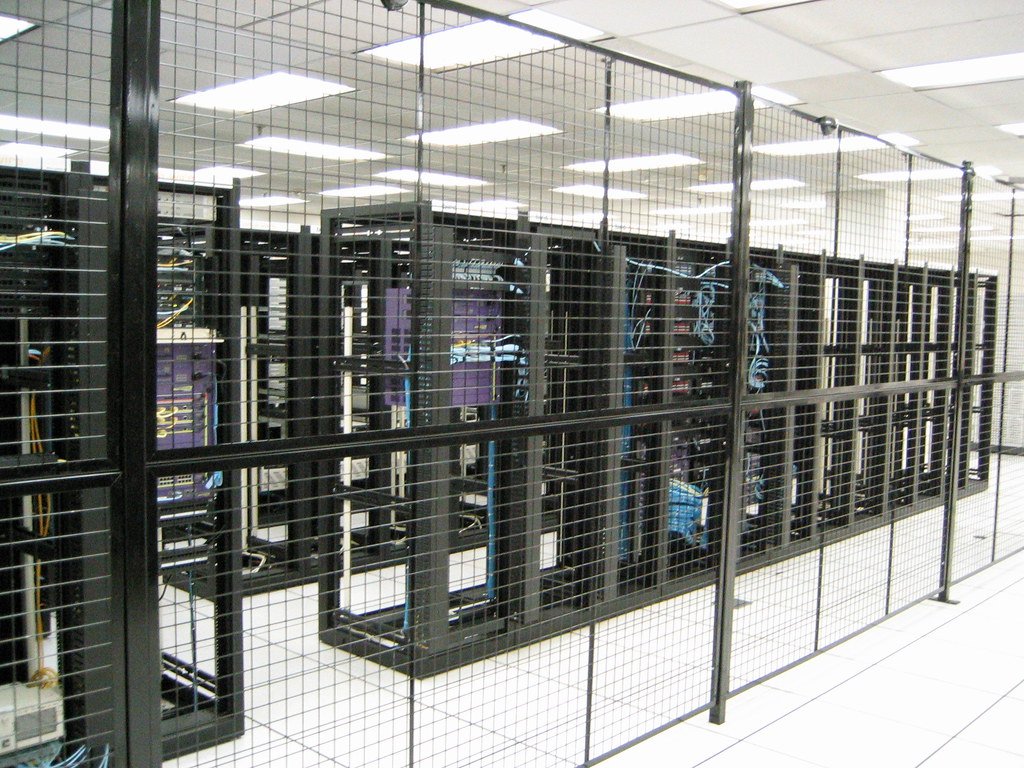
The MIT work does not show that a neural network can perfectly predict the real climate or eliminate the need for observational validation. It offers a promising way to produce computational tools more efficiently, with further testing necessary across models, geographic regions and conditions. The featured photograph shows actual computing equipment in a data-center setting, not this research team’s experimental setup.
Sources: Primary official scientific or government announcement. Photo credits and licenses are preserved in the WordPress media library. This report distinguishes archival photographs from new findings or announcements.