By Lotta Goddess | Khemetic.News Technology | November 12, 2026
Users say AI coding tools have blocked attempts to repair, unlock and modify electronics they own. The dispute puts cybersecurity safeguards, intellectual-property law and Americans’ right to repair on a collision course.
People using artificial intelligence to investigate the software inside televisions, cameras and other connected electronics are reporting new obstacles in two popular AI development tools: OpenAI’s Codex and Anthropic’s Claude.
In a November 10 report, independent technology outlet 404 Media documented users encountering safety checks, blocked decompilation requests and reported account restrictions while using AI for reverse engineering. The examples include work on smart televisions and devices abandoned by their manufacturers.
That does not establish a company-wide ban on reverse engineering. OpenAI engineer Tarun Gogineni said the company was not supposed to block ordinary reverse engineering in Codex and characterized reported blocks as unintended. Anthropic’s own policy materials acknowledge that legitimate cybersecurity work can be difficult to distinguish from harmful activity.
The controversy centers on a question extending beyond AI: when someone buys an electronic device, how much practical control should that person retain over its software?
What “reverse engineer anything” means
Reverse engineering involves studying an existing product to learn how it operates, often without its original design documents or source code. Software researchers may inspect firmware, analyze communications protocols, or study compiled programs to understand what a device can do.
For years, that work has required considerable technical knowledge. AI coding assistants can accelerate some of the process by helping interpret code and hardware documentation. According to 404 Media, enthusiasts have used AI-assisted analysis on smart televisions, baby monitors, older cameras and internet-connected products whose original software is no longer supported.
Some projects aim to remove unwanted ads or restore functions after a company stops supporting the device. Others seek alternative operating systems or greater access to hardware settings. Such projects are not necessarily successful, safe or lawful in every case; the technical and legal circumstances vary.
Reported blocks in Codex and Claude
404 Media reported complaints from Claude Code users whose reverse-engineering requests triggered safety systems. It also described a user who had employed OpenAI’s Codex to research Samsung televisions and reported that their OpenAI account was banned under a cyber-abuse classification. Other users described warnings or account limitations.
The report attributed these experiences to affected users; they should not be treated as a comprehensive audit of either company’s enforcement decisions.
Gogineni offered a notably different characterization in a public statement cited by 404 Media, saying there was no prohibition against reverse engineering with Codex and that erroneous blocks were being addressed. That distinction matters: an AI tool can refuse a legitimate request because its security filters misclassify the task, without the company having formally outlawed the task.
Anthropic’s July 2026 safeguards explanation states that it is difficult to separate helpful cybersecurity activity from techniques that might enable attacks. The company says its classifiers allow clearly benign uses, restrict high-risk ones and can sometimes block lower-risk requests as a precaution.
Anthropic further announced an expanded Cyber Verification Program on October 6, giving qualifying security professionals access to reduced restrictions under a verification system. That program does not guarantee unrestricted access for ordinary owners seeking to fix household electronics.
The smart television illustrates what is at stake
Connected televisions are a useful example because their software can control streaming apps, advertising interfaces, network connections and updates long after a customer purchases the screen.
A person who wants to remove unwanted features or install different firmware may need to understand software intentionally designed around a manufacturer’s operating system. AI assistance can make that investigation faster, but it does not make every modification possible.
Nor does this controversy establish that every smart television secretly records private conversations. Documented data-collection features and unverified surveillance claims are different issues requiring device-specific evidence.
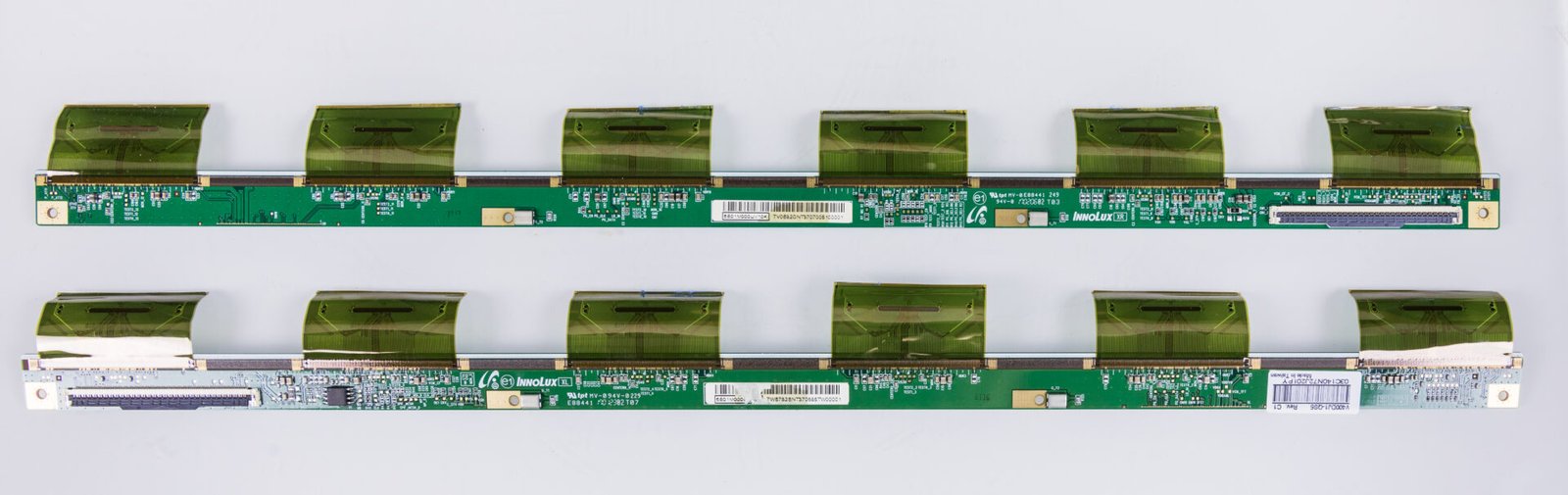
The underlying consumer question is straightforward: if hardware still works, should the owner have meaningful ways to maintain and adapt its software after commercial support ends?
OpenAI’s terms are not a blanket prohibition on modifying your own hardware
OpenAI’s Terms of Use prohibit attempts to reverse engineer OpenAI’s own services and underlying systems, subject to applicable law. They also prohibit unlawful, harmful or abusive use.
That language should not be confused with a universal prohibition on using an AI coding tool to study a television, camera or other third-party product. Whether a particular request is permitted can depend on the activity, the authorization involved and applicable law.
The more difficult operational question is how an automated system recognizes a legitimate repair or security investigation. Without enough context, the same technical steps can resemble an unauthorized intrusion.
America’s right-to-repair debate is now an AI debate
The Federal Trade Commission’s 2021 Nixing the Fix report detailed restrictions that can make independent repair difficult, including limited access to replacement parts, diagnostic software and repair information. The agency warned that such restrictions can raise costs and reduce consumer choice.
AI-assisted reverse engineering changes the practical balance by lowering some of the technical costs of understanding unfamiliar products. That could benefit independent repair businesses, owners of older electronics and researchers examining security vulnerabilities.
Still, ownership of a device does not automatically authorize every method of bypassing its protections. The Digital Millennium Copyright Act’s Section 1201 restricts some circumvention of technological access controls while permitting certain exceptions. The U.S. Copyright Office documents the exemption process and its limits.
Researchers say AI is testing assumptions in intellectual-property law
A research paper first submitted October 26, 2026, and revised October 30, offers a broader perspective. In Cheap Reverse Engineering and What It Will Do, Ilan Mandel, Madiha Zahrah Choksi, Joey Castillo, Sebastian Benthall and James Grimmelmann examine how AI may undermine legal frameworks that assumed reverse engineering would remain difficult and expensive.
The researchers discuss implications for trade secrets, copyright, anti-circumvention law, computer misuse and contracts. Their analysis is a scholarly preprint, not an enacted law or a judicial ruling.
The point is not simply that more devices may be modified. As technical barriers fall, lawmakers and courts may have to confront disputes that cost and expertise previously kept relatively rare.
Why some users are turning to locally run AI
According to 404 Media, some security researchers are reconsidering their dependence on hosted commercial AI tools because policy enforcement can change unexpectedly.
Matt Brown of Brown Fine Security told the outlet that cybersecurity-related safety blocks influenced his interest in using models he could operate with greater independence. Brown also described work investigating communications with a connected propane-tank monitor using an open-weight AI model.
Local and open-weight models can offer more control over the computing environment, but they have tradeoffs. They may require capable hardware and additional technical skill, and they do not make unsafe modifications or unlawful conduct acceptable.
For ordinary consumers, the accessibility of easy-to-use commercial AI assistants was part of the attraction. A move toward technically demanding local systems could leave many owners unable to benefit.
Safety and consumer rights need not be opposites
The risks are real. Altering firmware can damage devices or create security vulnerabilities. Attempts to manipulate vehicles, medical devices or industrial equipment can present especially serious hazards. AI can also assist malicious hacking when safeguards fail.
Providers have legitimate reasons to limit help with unauthorized intrusions or dangerous exploits. But mistaken blocks can also interfere with repair, accessibility projects, interoperability and responsible security research.
Policies that distinguish authorized work from abuse—and provide clear explanations or appeals for incorrect restrictions—could reduce that conflict.
What remains unresolved
The public record does not establish the number of users affected, whether all reported account restrictions were caused by reverse-engineering requests, or how completely OpenAI’s promised fixes have been implemented. There is also no evidence in the cited sources of a coordinated agreement between AI providers and electronics manufacturers to suppress consumer repair.
Further developments will depend on how providers refine safeguards, whether affected users can obtain meaningful reviews, and how policymakers approach AI-enabled repair and software ownership.
What is clear is that a dispute once limited to technical specialists is becoming a broader consumer-rights question. As more household products depend on software, the ability to investigate and maintain that software may determine how much ownership still means.
Watch: 404 Media discusses the controversy
Watch the discussion directly on YouTube if the embedded player is unavailable.
Sources and image credit
- 404 Media: “Reverse Engineer Anything” reporting (Jason Koebler, November 10, 2026)
- 404 Media: “Come and Take It” newsletter (November 10, 2026)
- Mandel and colleagues: Cheap Reverse Engineering and What It Will Do (revised October 30, 2026)
- Anthropic: Fable 5 cybersecurity safeguards (July 2, 2026)
- Anthropic: Expanded Cyber Verification Program (October 6, 2026)
- OpenAI: Terms of Use
- FTC: Nixing the Fix (May 2021)
- U.S. Copyright Office: Section 1201 exemptions
Featured image: A Samsung UE40MU6409U television with its rear cover removed (archival, 2022), © Raimond Spekking / CC BY-SA 4.0, via Wikimedia Commons. The photograph depicts actual television hardware, not a documented 2026 AI experiment.