POTTSTOWN, Pennsylvania — A Pennsylvania couple and their landlord are challenging a municipal rental-inspection policy that they say forces tenants to choose between their privacy and the security of their housing. The latest federal lawsuit, filed September 28, 2026, follows years of litigation over when local officials may inspect occupied rental homes without residents’ consent.
Dorothy “Dottie” Rivera, Eddy Omar Rivera and landlord Steven Camburn contend that a revised Pottstown ordinance pressures tenants to permit inspections by private inspectors approved under borough rules. The borough, meanwhile, maintains that rental licensing and inspections are necessary to protect residents from unsafe housing conditions. No court finding available for this report establishes that the Riveras have been evicted.
What the 2026 ordinance actually says
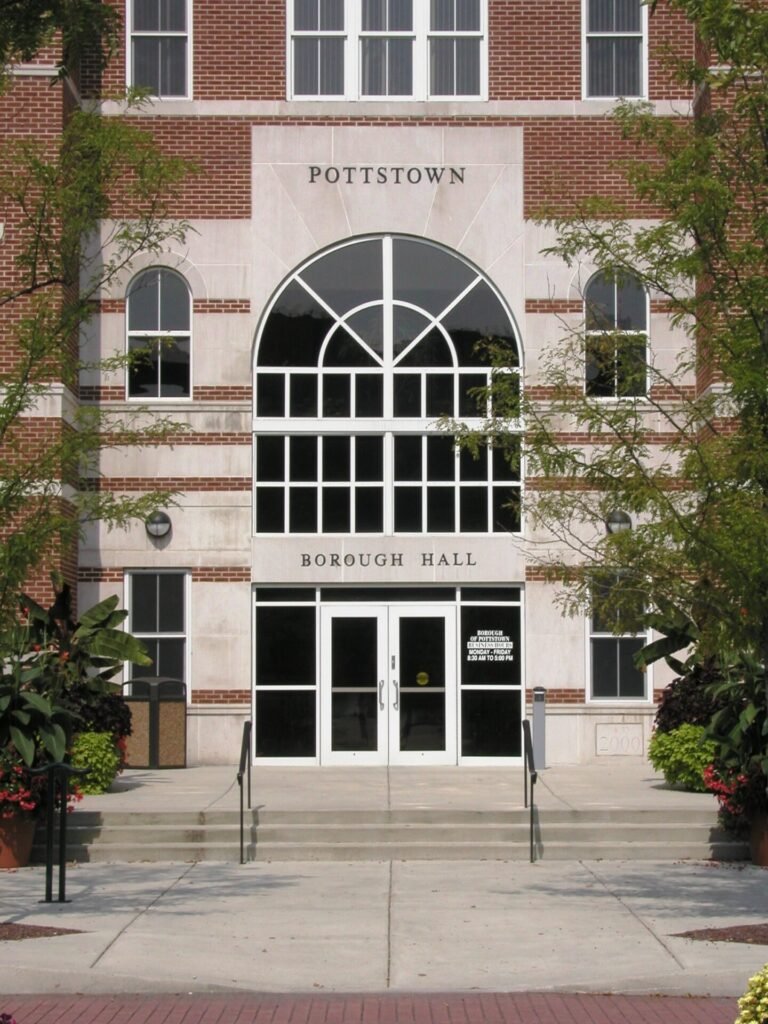
Pottstown adopted Ordinance No. 2246 on June 8, 2026. The municipal code continues to require periodic inspections for residential rental licensing. When a tenant refuses an inspection by the borough’s Licensing and Inspections Department, the ordinance requires the property owner to use a qualified third-party inspector instead.
Crucially, the property owner must secure the written consent of all tenants before that private inspection. Yet the ordinance also says that failure to obtain consent does not relieve the landlord of licensing requirements—and that no rental unit may be legally occupied without a license. The borough retains ultimate authority to accept, supplement or override inspection reports. These provisions appear in Chapter 11, Section 206, of Pottstown’s municipal code.
Attorneys representing the Riveras and Camburn argue that this arrangement is not meaningfully voluntary: a resident who refuses entry can leave the landlord unable to obtain or renew a license. The federal complaint alleges that borough notices identified 15 rental properties as operating illegally after tenants objected to inspections, and that fines, license action or displacement could follow. Those threatened consequences are allegations about enforcement, not proof that every penalty has been imposed.
How the dispute reached two courts
The original litigation began in 2017, after the Riveras and Camburn resisted an inspection process using administrative warrants. On December 9, 2025, Pennsylvania’s Commonwealth Court held that Pottstown’s provisions allowing administrative inspection warrants without individualized probable cause violated Article I, Section 8 of the Pennsylvania Constitution. Its order concerned the warrant provisions, not the entire housing code. The published judicial opinion sets out that distinction.
The Pennsylvania Supreme Court agreed in June 2026 to review the state case. The newer lawsuit, Rivera v. Borough of Pottstown, No. 2:26-cv-07470, brings a separate federal Fourth Amendment challenge to the third-party inspection and licensing mechanism.
Public docket indexes show a motion to dismiss filed on October 30 and a court order concerning preliminary injunctive relief entered November 2. The text and effect of the November 2 order were not independently available for review, so this report does not characterize it as a win or loss for either side. The federal case’s subsequent procedural position should be checked against the court docket before any update.
Why inspection warrants are legally complicated
The United States Supreme Court ruled in Camara v. Municipal Court (1967) that routine housing-code inspections generally implicate the Fourth Amendment and, absent consent or a recognized exception, require a warrant. But the Court also allowed administrative warrants based on reasonable area-wide inspection standards rather than suspicion of a violation in the particular dwelling. Pennsylvania’s 2025 decision interpreted its own constitution as providing more demanding protection for occupied rental homes.
The new federal case poses a related but distinct question: whether a municipality may apply licensing pressure to obtain purported consent for inspections that otherwise would face constitutional limits. A municipal requirement to inspect property is not, by itself, a court order to evict its occupants, and housing-code enforcement may involve further notices and legal processes.
The borough’s safety rationale and the tenants’ concern
On its official inspection page, Pottstown says the 2025 state ruling did not eliminate rental licensing, property-maintenance duties or enforcement of fire, plumbing and electrical codes. Borough council materials describe the private-inspector route as an option intended to give landlords a choice while litigation over warrants continues.
The Riveras and Camburn say the practical consequences are different. They argue that paying for inspections or hiring private contractors does not resolve the privacy issue when a tenant has withheld consent, and that license-related enforcement pressures the household to surrender that choice.
What happens next
Both the Pennsylvania Supreme Court appeal and the newer federal action bear on the future of Pottstown’s rental-inspection program. Their results could affect how local governments balance safe housing, landlord responsibilities and residents’ protection against unreasonable searches. For now, the most precise description is a continuing constitutional dispute involving threatened enforcement—not a verified forced eviction.
Photographs and attribution
Featured image: Pottstown Borough Hall, photographed in 2007 by Skabat169, licensed CC BY-SA 3.0. Inline photograph: Pottstown Borough Hall entrance by Montgomery County Planning Commission, licensed CC BY-SA 2.0. Images were resized for website display; both show the borough building, not the Riveras, their landlord, or an inspection in progress.
Sources and records
- Pottstown Code, Chapter 11, Section 206, including Ordinance 2246
- Borough of Pottstown, Licensing and Inspections statement
- Pennsylvania Commonwealth Court opinion, December 9, 2025
- Federal complaint, Rivera v. Borough of Pottstown, September 28, 2026
- Federal case docket and subsequent motions/orders
- Institute for Justice, September 29, 2026 announcement
- Camara v. Municipal Court (1967)
Related video: Consent to a Search or Get Evicted? (YouTube Short supplied as a source). This video is linked for context; its publisher and reuse/embed status have not been independently verified.