
ST. PAUL, Minn., Nov. 19, 2026 — State records showing more than 1,200 Minnesota electronic benefit transfer (EBT) cards mailed to addresses in neighboring states in fiscal year 2025 prompted concerns about oversight. But a closer breakdown supplied after an investigation by KSTP 5 Eyewitness News shows that much of the apparent surge involved child nutrition benefits, including Pandemic-EBT and SUN Bucks, rather than traditional SNAP card mailings.
The distinction matters for accountability and for families: mailing a benefit card to another state can be legal, and these counts alone do not establish improper payments. They also do not resolve the case that launched the investigation — a Wisconsin family reported receiving an unexpected Minnesota EBT card.
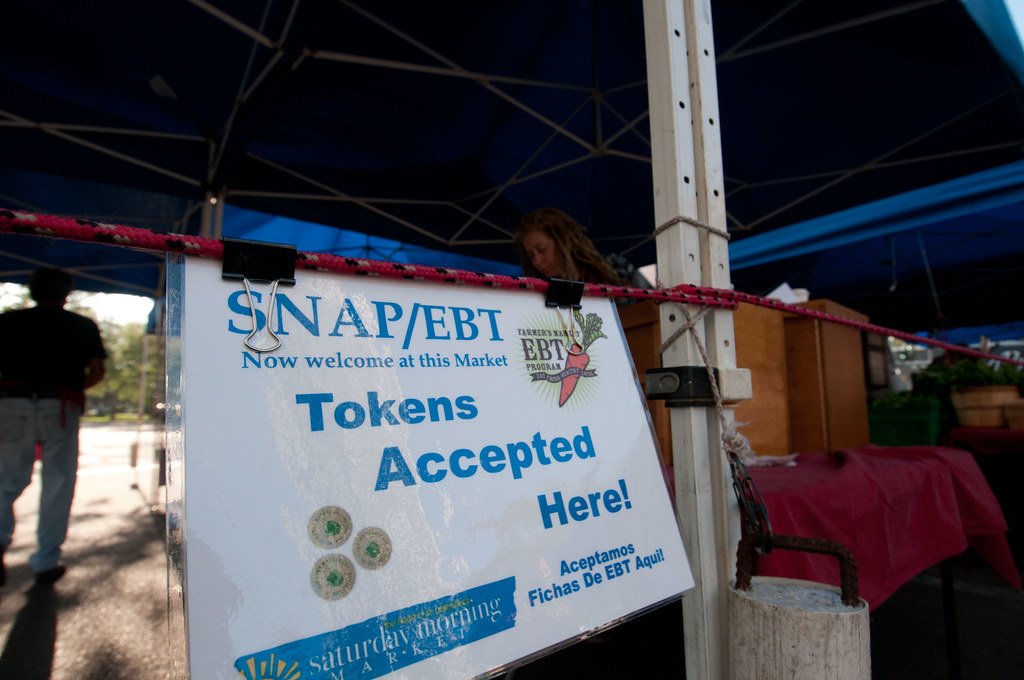
Featured archival photograph: EBT cards issued to applicants during a federal Disaster-SNAP response in Moncks Corner, South Carolina, on Nov. 17, 2015 — not the Minnesota mailings or the Wisconsin household. Photo: Lance Cheung/USDA, public domain. Source and rights.
What the numbers show
KSTP’s initial report, published November 18, cited Department of Children, Youth, and Families (DCYF) figures showing 321 cards mailed to Minnesota’s bordering states in fiscal 2020 and 1,260 in fiscal 2025, before falling to 668 in fiscal 2026. In a subsequent follow-up reporting on DCYF’s clarification, the station published a second series excluding two child nutrition programs: Pandemic-EBT, which ended in 2023, and SUN Bucks, which began in 2024.
| Fiscal year | All reported cards mailed to bordering states | Excluding Pandemic-EBT and SUN Bucks |
|---|---|---|
| 2020 | 321 | 303 |
| 2021 | 654 | 335 |
| 2022 | 465 | 372 |
| 2023 | 532 | 372 |
| 2024 | 1,083 | 326 |
| 2025 | 1,260 | 354 |
| 2026 | 668 | 341 |
On that narrower measure, mailings were 303 in fiscal 2020, 354 in fiscal 2025 and 341 in fiscal 2026 — far less variation than the combined totals suggest. The figures do not by themselves show how many cards were activated, what benefit amounts were involved or how many, if any, were issued improperly. Those questions require additional records.
Why a Minnesota card can arrive outside Minnesota
Minnesota’s official SUN Bucks guidance says eligible children who qualified through a Minnesota school can receive a Minnesota-issued card after moving, subject to the program’s rules. It also warns families not to spend duplicate benefits issued by multiple states; each eligible child is entitled to only one $120 summer benefit.
Children may live across a state border while attending school in Minnesota. Separately, some SNAP households designate authorized representatives to help obtain or use benefits. In the first KSTP report, DCYF said 17 of the more than 1,200 out-of-state cards in fiscal 2025 were connected to authorized representatives. Such exceptions are narrower than the overall figure and do not, on their own, explain every mailing.
Minnesota’s EBT guidance also describes account protections, including card freezes, PIN controls and the ability to block out-of-state transactions. A mailing address, card activation and benefit redemption are different events and should not be treated as interchangeable.
The Wisconsin family’s questions remain
KSTP’s reporting began when a Wisconsin family received a Minnesota EBT card it said it had not requested. DCYF has said that, under certain circumstances, an additional adult or authorized representative can be issued a card, but state officials declined to discuss the family’s case publicly because of benefit-record privacy rules. KSTP reported that the family did not believe an authorized-representative arrangement explained the delivery.
The available public record does not establish whether that incident arose from a data or mailing error, a properly authorized account or attempted fraud. It remains a case for the agency to investigate, not proof of a particular cause.
Lawmakers press for oversight while defending food aid
State Rep. Nolan West, a Republican from Blaine, called the out-of-state figures a warning sign and urged scrutiny of program controls. Democratic Rep. Carlie Kotyza-Witthuhn, his committee co-chair, emphasized SNAP’s importance to low-income households and the need to base policy conclusions on evidence. KSTP reported both responses in its original investigation.
The policy questions are specific: How does Minnesota verify the address on each mailed card, prevent duplicate state benefits, identify an erroneous card delivery and account for the money actually spent? The answers may identify improvements without wrongly labeling legitimate recipients as fraudsters.
What readers should watch next
Further reporting could determine how many cards were never activated, whether out-of-state recipients were eligible, what safeguards intercepted duplicate SUN Bucks benefits and whether DCYF completed its review of the Wisconsin family’s unexpected mailing. In the meantime, families receiving an unfamiliar or duplicate SUN Bucks card can consult DCYF’s official instructions rather than spending uncertain benefits.
Sources and reporting
KSTP 5 Eyewitness News, original November 18 report; KSTP November 19 follow-up, indexed by The Minneapolis; Minnesota DCYF SUN Bucks FAQ; Minnesota DCYF EBT card security guidance; USDA Summer EBT program. Khemetic.News did not independently inspect the underlying individual account records.