Khemetic Nation News Network | Technology Desk
October 14, 2026
LONDON — London Stock Exchange Group announced a partnership with NVIDIA on Wednesday to accelerate analysis of historical financial-market data, a development also reported by Reuters.
What was announced
According to LSEG’s October 14 announcement, the collaboration uses NVIDIA graphics processors and cuDF software to work with its Tick History archive. The company says benchmark tests using cuDF and Polars reduced some analysis from hours to seconds.
LSEG describes the archive as containing 110 trillion rows across 100 million instruments, covering more than 30 years and over 580 exchanges, trading venues and contributors. It says the approach preserves existing data permissions without requiring another complete copy of the dataset.
Why it matters
The intended applications include testing trading strategies, reviewing historical market conditions and supporting risk research. Faster processing could make it easier for institutions to examine longer periods rather than narrowing their analysis to manageable samples.
For readers following the growing role of AI infrastructure, the distinction matters: this announcement concerns the speed of processing market information. Faster computation alone does not establish that a trading strategy is sound or that a prediction will be accurate.
What remains unverified
The performance figures are company-reported benchmarks. KNN has not independently reproduced them, and the announcement does not provide enough test detail to establish that every customer workload would achieve the same improvement. The partnership should therefore be read as a technology announcement, rather than a guarantee of investment results.
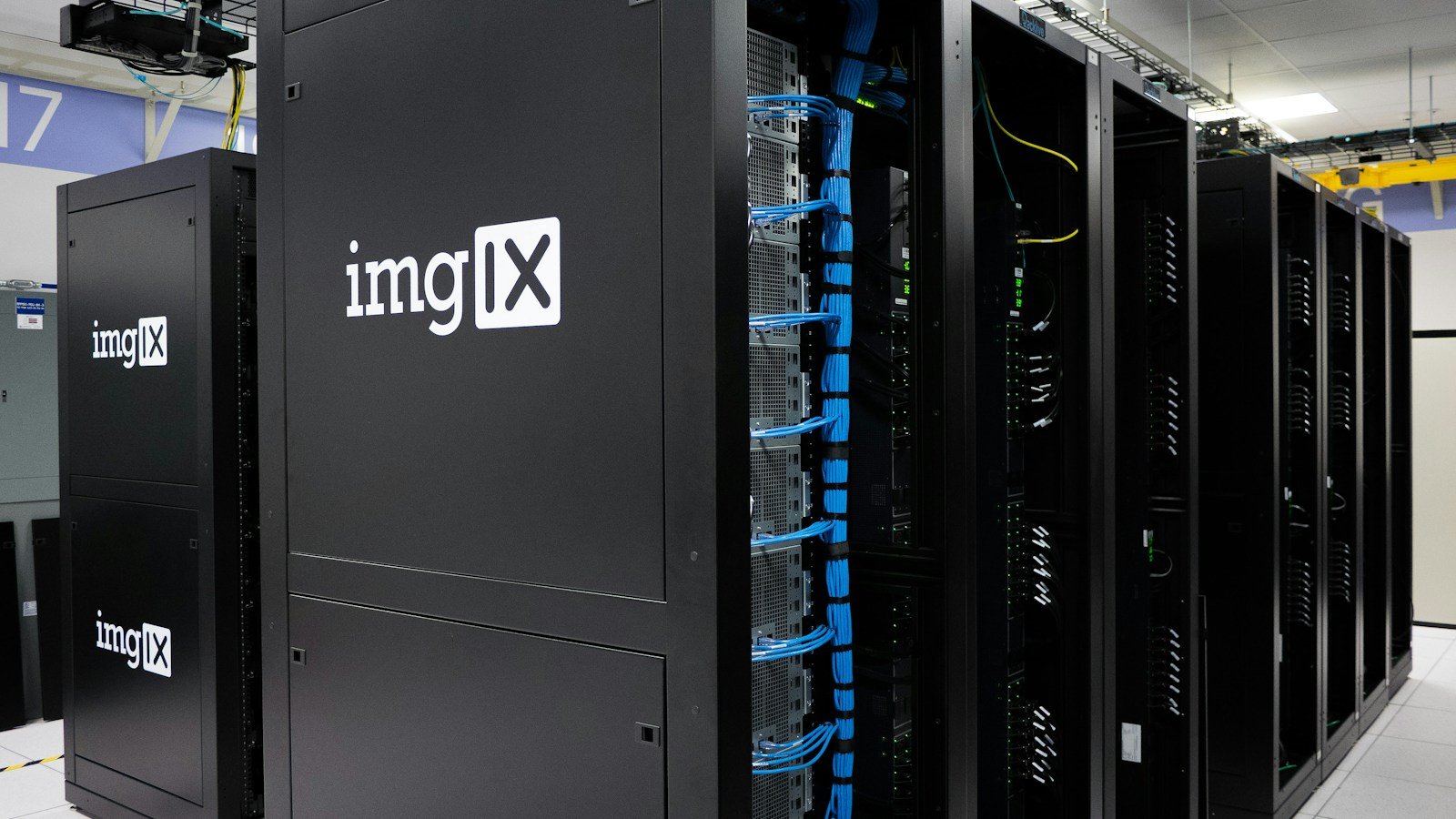
Image: Illustrative server photograph by imgix via Unsplash. It does not depict the announced collaboration.