Khemetic Nation News Network | History & Restoration Desk
Prehistory explainer
Tanzania’s Olduvai Gorge, also called Oldupai, preserves evidence of an extraordinary technological achievement: early hominins deliberately broke stone to produce useful cutting edges. Oldowan tools from the region help researchers investigate behavior around two million years ago, long before agriculture, written language or cities.
These lithic—or stone—artifacts are more than isolated objects. Their scars, raw materials and positions within sedimentary layers allow archaeologists to reconstruct manufacturing choices and environmental context. The evidence is strongest when tools are studied alongside the deposits and other remains in which they were found.
How an Oldowan toolkit worked
The Smithsonian’s overview of Early Stone Age tools identifies three central components: hammerstones, cores and sharp flakes. A hammerstone struck another stone, the core, detaching flakes that could provide cutting edges. Cores retain scars from those removals, while hammerstones may show battering.
This makes the flake itself important. A small fragment can be the useful product of manufacture, rather than merely waste from shaping a larger object. Archaeologists therefore examine an entire assemblage, including debris, instead of judging technological significance by size or a tool’s resemblance to a modern implement.
The Smithsonian’s Olduvai chopper record describes a Tanzanian artifact approximately 1.8 million years old. Its explanation connects early East African stoneworking with processing animals, including access to meat and marrow. That general account does not establish the function of every stone tool from the gorge.
Ewass Oldupa: tools in changing environments
A study published in Nature Communications on January 7, 2021 examined Ewass Oldupa in the western Oldupai basin. Researchers reported 565 stone artifacts and combined archaeological evidence with sedimentary, vegetation and chemical indicators to reconstruct ancient settings.
The earliest tool-bearing evidence in their sequence dates to approximately 2.03 million years ago. Quartzite was prominent in the assemblages. The study documented repeated, intermittent land use across changing environments over roughly 235,000 years, rather than uninterrupted occupation of a single unchanging habitat.
The researchers interpreted the relatively consistent toolkit across varied settings as evidence of behavioral flexibility. A key limitation is that the reported animal remains lacked evidence of hominin modification: the paper does not demonstrate carcass defleshing at Ewass Oldupa. Nor does it identify the individual species responsible for every tool.
Tanzania’s finds and the wider African chronology
Oldowan technology takes its name from Olduvai, but the name is not proof that it first originated there. A 2023 Science study of Nyayanga, Kenya reported Oldowan sites within a dated range of approximately 3.032–2.581 million years ago.
That Kenyan evidence included indications of plant and animal processing and Paranthropus teeth. The Smithsonian’s discussion of the findings emphasizes uncertainty about the toolmakers: associated fossils do not automatically identify which hominin made an artifact.
Keeping the countries, sites and age estimates distinct matters. Kenya’s older evidence expands the regional story; it should not be presented as a discovery from Tanzania. Oldupai remains central to understanding early tool use without needing to hold every chronological record.
A careful comparison with Maya stoneworking
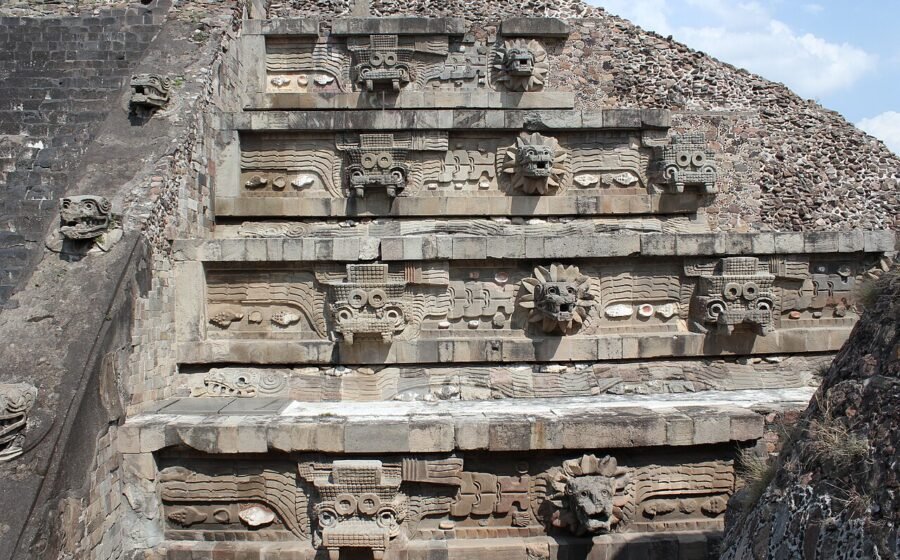
Much later, Maya communities also transformed stone into useful edges. The Metropolitan Museum of Art’s discussion of Mesoamerican blades describes Maya use of chert and obsidian for practical and ritual purposes.
The comparison highlights how people in very different settings learned to work with stone’s fracture properties. It does not establish a direct historical connection between Oldowan toolmakers and Maya civilization. Their technologies belong to vastly separated periods and social contexts; similar materials or actions alone cannot demonstrate shared ancestry or transmission.
Why the evidence matters
Oldowan artifacts make early behavior tangible, but careful interpretation requires restraint. A sharp edge can reveal a manufacturing action more securely than it reveals language, belief or a particular social system. Tanzania’s record is valuable precisely because tools can be examined within a richly documented geological landscape.
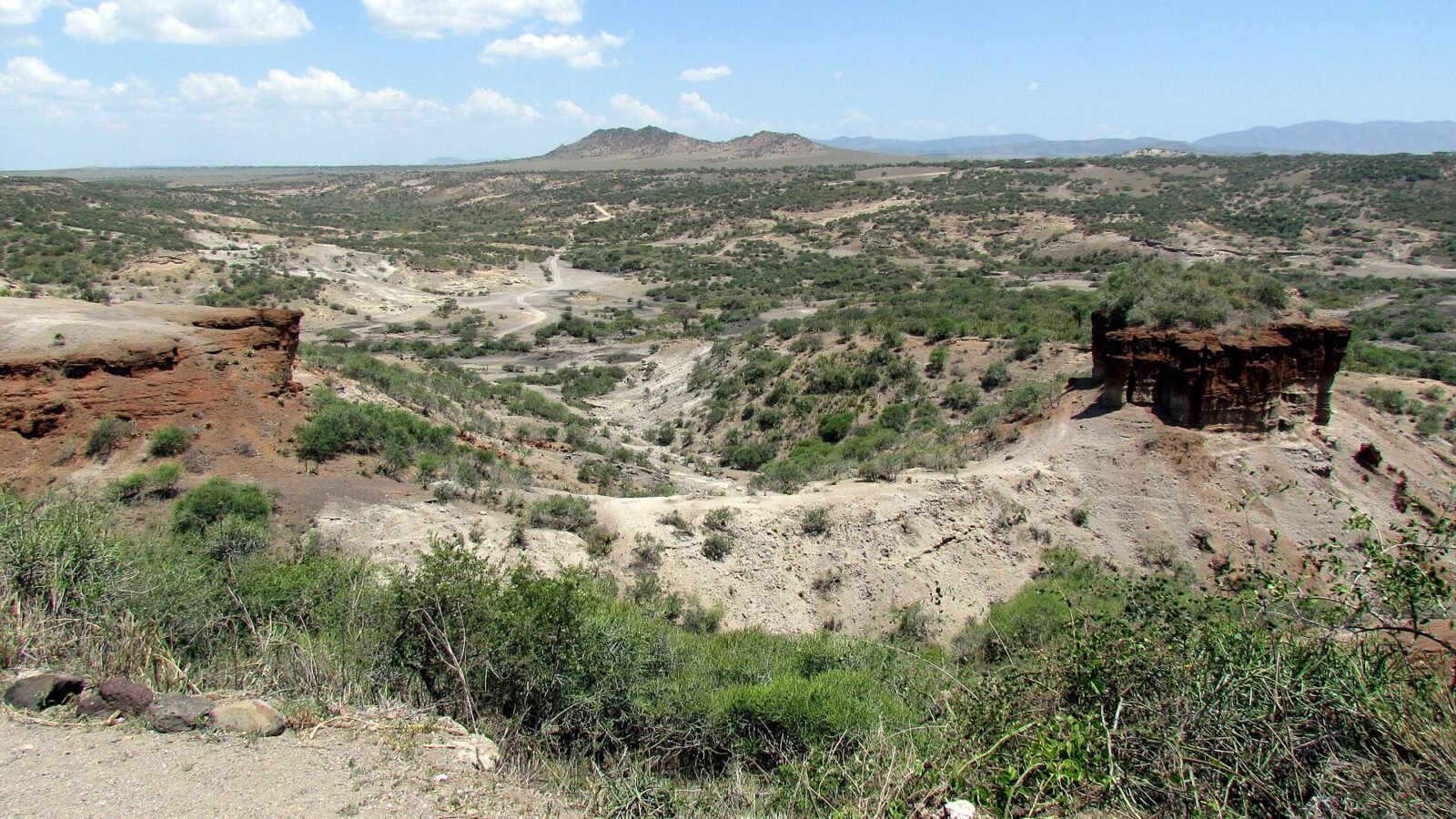
Featured photograph: Olduvai Gorge, David Berkowitz, February 22, 2011, via Wikimedia Commons, CC BY 2.0. Resized for web use and cropped by the theme. This is a landscape photograph, not an image of the excavated artifacts.
Sources and editorial note
Primary research and museum sources are linked throughout. This article explains established archaeological findings, including studies published in 2021 and 2023; it does not describe them as new 2026 discoveries.