Khemetic Nation News Network | By Joseph | November 22, 2026
Six locations connected to the histories of enslavement and the slave trade have been submitted for inclusion in a UNESCO network supporting preservation and public memory, according to a November 20 announcement.
What is confirmed
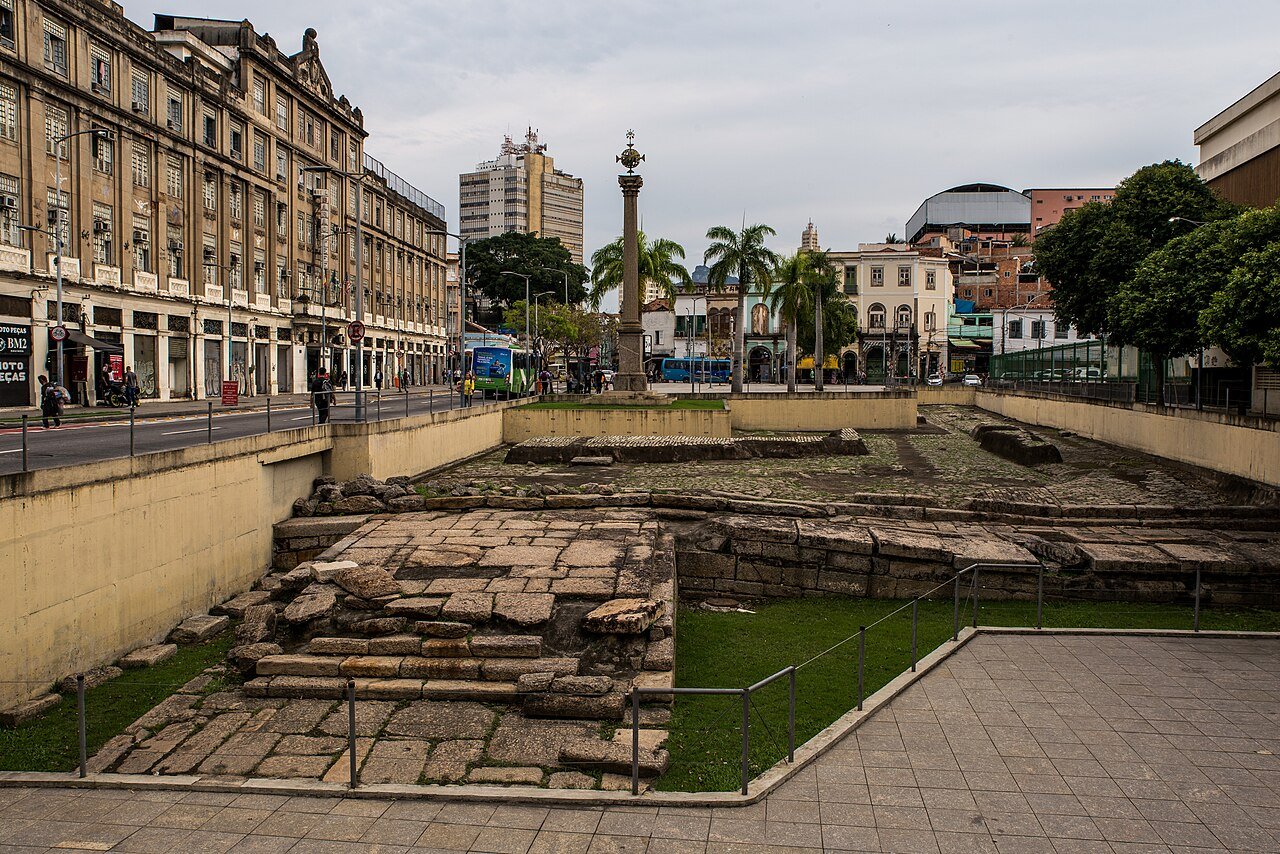
Brazil submitted Valongo Wharf in Rio de Janeiro, the Society for the Protection of the Disadvantaged in Salvador, and Serra da Barriga’s Quilombo dos Palmares Memorial Park. Côte d’Ivoire submitted the Lahou-Kpanda Lagoon Zone, the Routes of Enslaved People along the Bandama River, and the Dida Country. UNESCO describes the locations as landscapes, institutions and sites that can contribute to wider international dialogue.
Why this matters
These nominations reflect different kinds of historical evidence. A former landing place, a social organization and a landscape of resistance do not tell identical stories. Keeping their distinct historical settings visible can help researchers, descendants, schools and visitors understand how enslaved people experienced and resisted trafficking, dispossession and exploitation.
Context and limitations
Although UNESCO’s headline uses language of joining, its text describes the six as submissions for inclusion. KNN is not calling this a new UNESCO World Heritage inscription or declaring a completed approval process. Network managers are expected to meet in person in March 2027 to exchange preservation practices.
Image credit: Valongo Wharf archaeological site, Rio de Janeiro, photographed in 2022 by Donatas Dabravolskas, Wikimedia Commons, CC BY-SA 4.0.
Sources: Original source.