Khemetic Nation News Network | By Joseph | November 22, 2026
A November 18 UNESCO report on Bangladesh says many teachers surveyed in climate-vulnerable districts have not received formal preparation for climate change or disaster-risk education, while some children lack suitable materials in their first language.
What is confirmed
UNESCO’s assessment involved five districts: Bandarban, Kurigram, Netrokona, Patuakhali and Satkhira. Among educators surveyed, 90.4% said they had not received formal training on climate change education, disaster risk reduction or sustainable development education, while 75% relied on lectures and textbook explanations. The organization also highlighted insufficient climate-related materials for students from Indigenous language communities, including Marma speakers.
Why this matters
The report is part of the Climate Smart Education Systems Initiative, funded by the Global Partnership for Education. UNESCO describes efforts with teachers and government stakeholders to connect existing curricula to practical teaching and locally relevant lessons. A climate lesson that students cannot understand linguistically, or a teacher has not been trained to deliver, is unlikely to meet its intended purpose.
Context and limitations
The survey percentages apply to the educators surveyed in the five districts and should not be treated as a nationwide census of every teacher. The work reported includes assessment and planning; KNN cannot yet claim that the proposed materials or training have reached all schools.
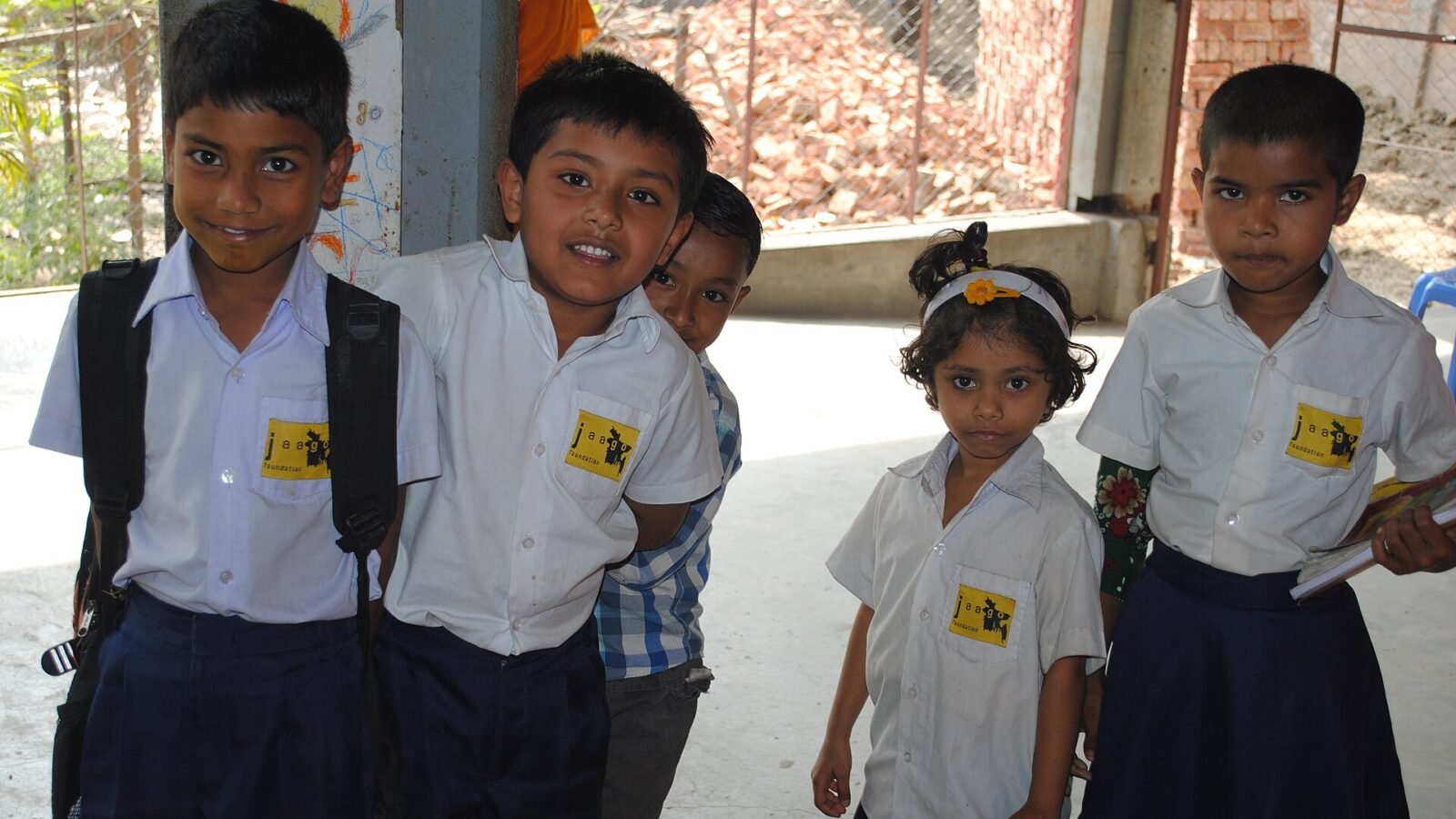
Featured image: Schoolchildren in Bangladesh photographed February 11, 2013, by Joel Solomon, Wikimedia Commons, CC BY 2.0. Archival context photo. The pictured children are not identified as participants in UNESCO’s 2026 climate education survey.
Sources: Original source.