KNN Investigation | October 28, 2026
As federal policy on PFAS changes, communities face a practical question: will responsibility for monitoring and cleaning up persistent industrial chemicals rest with polluters, utilities, or households?
What changed in 2026
In September, reporting by The New Lede described the Environmental Protection Agency’s withdrawal of earlier guidance encouraging states to address PFAS discharges through Clean Water Act permitting. The withdrawn material was guidance, not itself a binding drinking-water standard; conflating those legal categories would misstate what happened.
Meanwhile, an August 18 federal appeals court ruling left in place the EPA’s 2024 designation of PFOA and PFOS as hazardous substances under CERCLA, a distinct cleanup-liability law. This demonstrates that changes to one agency policy do not automatically erase every other regulatory mechanism.
Why the distinction matters
PFAS is a broad class of synthetic chemicals. Exposure concerns vary by compound, concentration, duration and pathway. Residents need clear test results and a plain-language explanation of which standards apply to their water supplier. A legal dispute over industrial discharges is not evidence that any specific household tap is contaminated.
Supporters of loosening regulatory guidance argue that agencies should distinguish nonbinding policy from enforceable law and weigh implementation burdens. Critics warn that weaker upstream controls can shift the burden of detection and treatment to drinking-water providers and ultimately ratepayers. Both arguments deserve scrutiny against actual pollution data and costs.
Five accountability questions
- Which industries discharge PFAS in the watershed?
- What measurements have utilities and regulators published?
- Which permit limits are enforceable, and which were advisory?
- Who pays for treatment, remediation and long-term monitoring?
- How are residents informed when testing reveals a concern?
Consumers can request their utility’s Consumer Confidence Report and ask whether PFAS sampling results are available. Decisions about filtration should be based on actual water test results and verified product certifications, not general alarm.
Ethical lens — Ma’at: Truth and Justice invite scrutiny of verifiable contamination records and who bears the financial burden. That ethical comparison does not substitute for local testing or the applicable law.
Sources
- The New Lede, September 18, 2026: EPA guidance withdrawal
- Reuters, August 18, 2026: appeals court upholds hazardous-substance designation
- EPA: NPDES permit basics
Editorial note: This investigation does not establish contamination in any particular community; localized claims require location-specific testing and records.
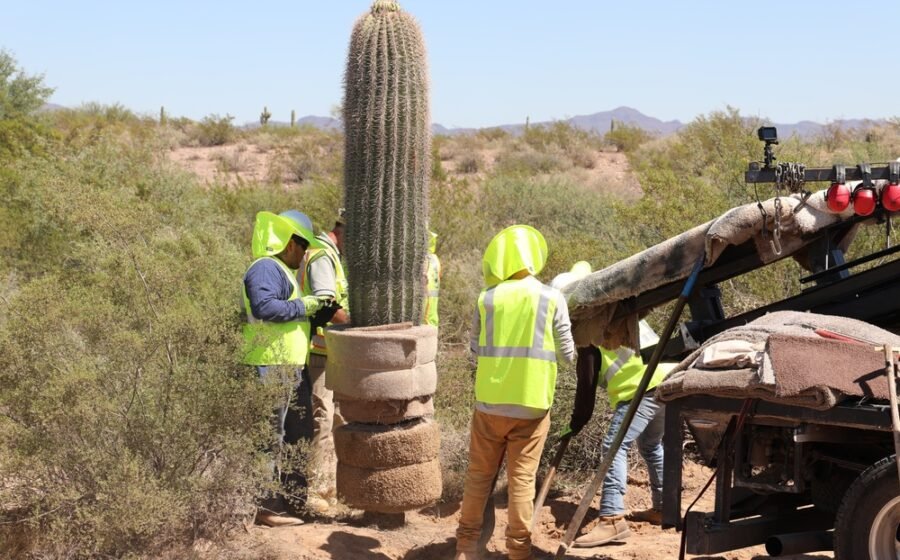
Featured image credit: PFAS remediation investigation fieldwork at the 167th Airlift Wing, photograph by West Virginia National Guard, Public Domain Mark 1.0. Contextual fieldwork, not water-quality evidence for a particular household.