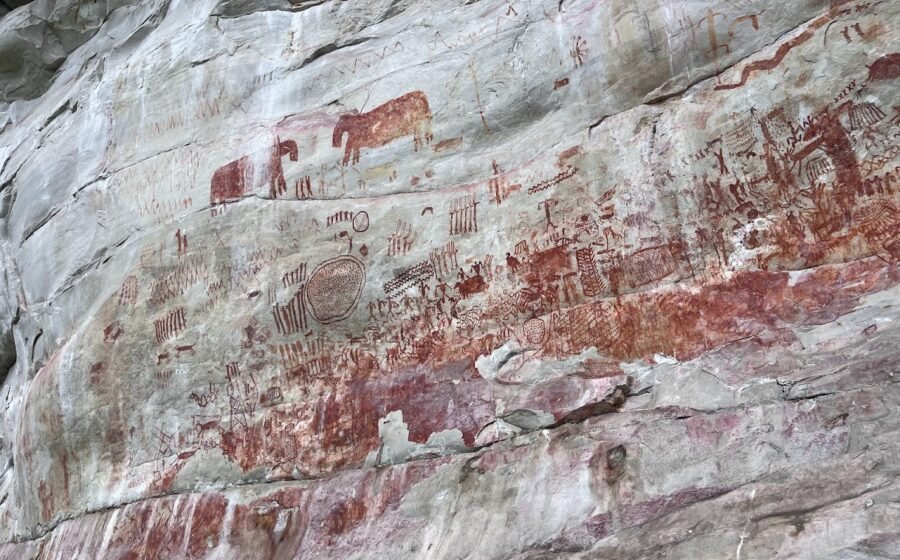

Archaeologists studying a cave in northern Iraq have uncovered new evidence that Neanderthals repeatedly placed their dead in the same small area about 75,000 years ago. The findings deepen the debate over prehistoric funerary behavior. They do not, however, prove that Neanderthals placed flowers on graves or believed in an afterlife.
In a peer-reviewed study published October 15, 2026, in Scientific Reports, researchers described the remains of an older Neanderthal adult, known as Shanidar A, recovered from a cluster of burials at Shanidar Cave. Their analysis raised the minimum number of individuals represented in the cluster to five and reinforced evidence that the location was used repeatedly to place the dead.
That distinction matters because an online claim about “130,000-year-old flower burials” reaches far beyond what this excavation demonstrates. The Neanderthal remains at the center of the Shanidar story date to roughly 70,000–75,000 years ago; whether flowers were deliberately placed with the dead remains disputed, and religious beliefs cannot be read directly from a skeleton or pollen deposit.
The 2026 finding: a place repeatedly used for the dead
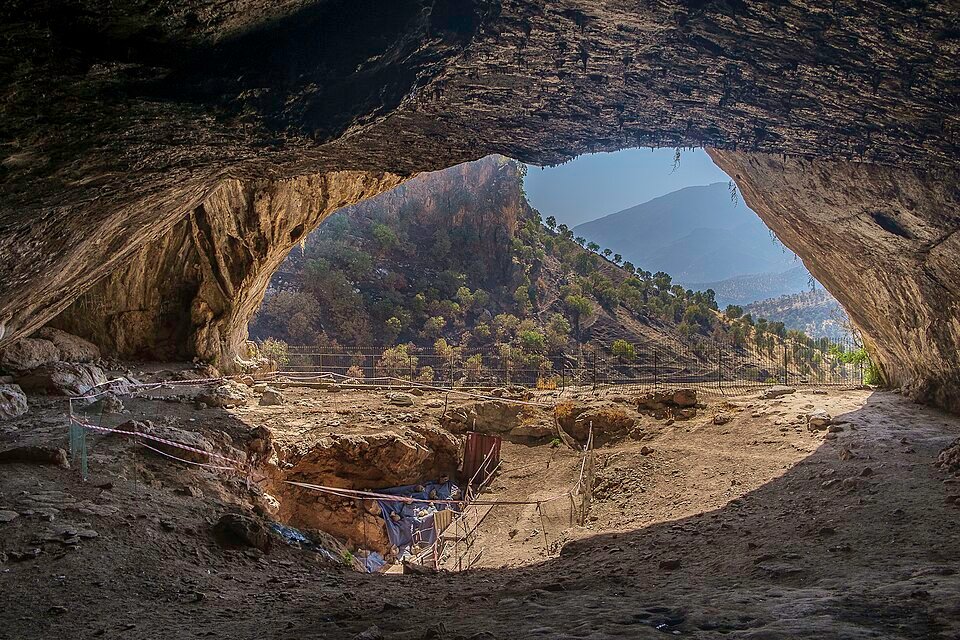
Shanidar Cave became internationally known after archaeologist Ralph Solecki’s excavations in the 1950s and 1960s revealed multiple Neanderthal skeletons. New excavations led by a collaboration involving the University of Cambridge and Kurdish archaeologists have returned to the site with modern methods for dating sediment, reconstructing skeletons and studying microscopic evidence.
The 2026 research identifies Shanidar A as an older adult who was deposited around 75,000 years ago. The body decomposed before a later flash flood disturbed some of the remains. The researchers also described evidence of substantial injuries, including trauma that occurred before death and possible penetrating trauma around the time of death. The findings do not establish how that person died.
Several bodies were placed within a confined area near a prominent boulder, apparently at different times. The authors argue this repeated pattern is more consistent with intentional activity than with a single accidental event. What the individuals’ communities believed or felt remains much harder to establish.

Why scientists questioned the famous “flower burial”
One of Solecki’s best-known discoveries was Shanidar 4, whose surrounding soil contained clusters of pollen. The possibility that mourners had placed flowers beside a body became an influential example of what might have been Neanderthal ritual or compassion.
But in 2023, researchers reassessed the pollen evidence in the Journal of Archaeological Science. Their analysis concluded that nesting solitary bees likely account for at least some of the pollen clumps. Other explanations, including vegetation deliberately brought to the burial area, could not be completely ruled out.
That means the original “buried with flowers” interpretation is not a settled scientific finding. Stronger evidence for intentional placement of bodies should not be mistaken for proof that bouquets were used or that the dead were being prepared for another life.
Is there evidence for an afterlife?
A community might intentionally bury someone out of care, practical concern, remembrance, respect or symbolic tradition. Archaeologists investigate such possibilities through body position, burial pits, repeated use of locations, objects deposited with remains and the surrounding sediments. Those traces can reveal patterned behavior, but they cannot directly record a person’s thoughts about what happens after death.
The Shanidar discoveries support serious discussion of Neanderthal mortuary behavior and perhaps the social significance of a particular location. They do not identify a religion, doctrine, prayer, belief in spirits or specific concept of an afterlife.
Researchers also need to distinguish between Neanderthals and members of our own species, Homo sapiens. Both belong to the human evolutionary story, but they should not be casually merged into a single claim about the origins of modern religion.
What about human burials older than Shanidar?
The Smithsonian Institution’s Human Origins Program describes intentional burials at Qafzeh, in present-day Israel, dating to approximately 100,000 years ago. Archaeologists found human remains and pieces of red ocher, a mineral pigment that may have had a ritual role. This is important evidence for early treatment of the dead, but it does not confirm a particular religion or an afterlife belief.
Older claims about deliberate burial remain matters of scientific debate depending on the site, the dated material and the interpretation of how bodies came to rest. The “130,000 years ago with flowers” wording should therefore not be presented as an established archaeological discovery.
Why the debate matters to readers in the United States
American museums, including the Smithsonian National Museum of Natural History, present prehistoric burials as evidence of how early human communities treated their dead. The latest Shanidar research offers a useful reminder that new excavations can change an established interpretation without erasing the historical importance of the original discovery.
It is also an example of why archaeological stories need careful language. Evidence of burial is not identical to evidence of flowers, and neither automatically demonstrates an organized religion. Respecting those differences makes the story of our ancient relatives more compelling, not less.
Watch: Cambridge archaeologist explains the Shanidar discoveries
In this recorded research seminar, University of Cambridge archaeologist Emma Pomeroy discusses the Shanidar Cave excavations and what researchers can—and cannot—conclude from the bones, burial context and pollen. The lecture predates the 2026 paper but documents the same ongoing archaeological research program.
Official Cambridge Archaeology research lecture (November 23, 2020). The recording includes images of human skeletal remains. Watch on YouTube if the player does not load.
Sources and further reading
- Pomeroy and colleagues, “Evidence for funerary behaviour and lethal trauma in a new Neanderthal individual from Shanidar Cave,” Scientific Reports (October 15, 2026).
- Hunt and colleagues, “Shanidar et ses fleurs? Reflections on the palynology of the Neanderthal ‘Flower Burial’ hypothesis,” Journal of Archaeological Science (2023).
- University of Cambridge, Shanidar Cave Project.
- University of Cambridge, Shanidar Z discoveries and documentary background (2024).
- Smithsonian Institution, “Qafzeh: Oldest Intentional Burial”.
- Original viral article as supplied by a reader (Dino World via NewsBreak); its full text could not be independently accessed, so the broad claim has been assessed against primary research rather than attributed quotations.
Reporting note: This article summarizes published archaeological research. No claim is made to have interviewed the scientists or visited the excavation.