November 9, 2026 | By Joseph | Nation Desk
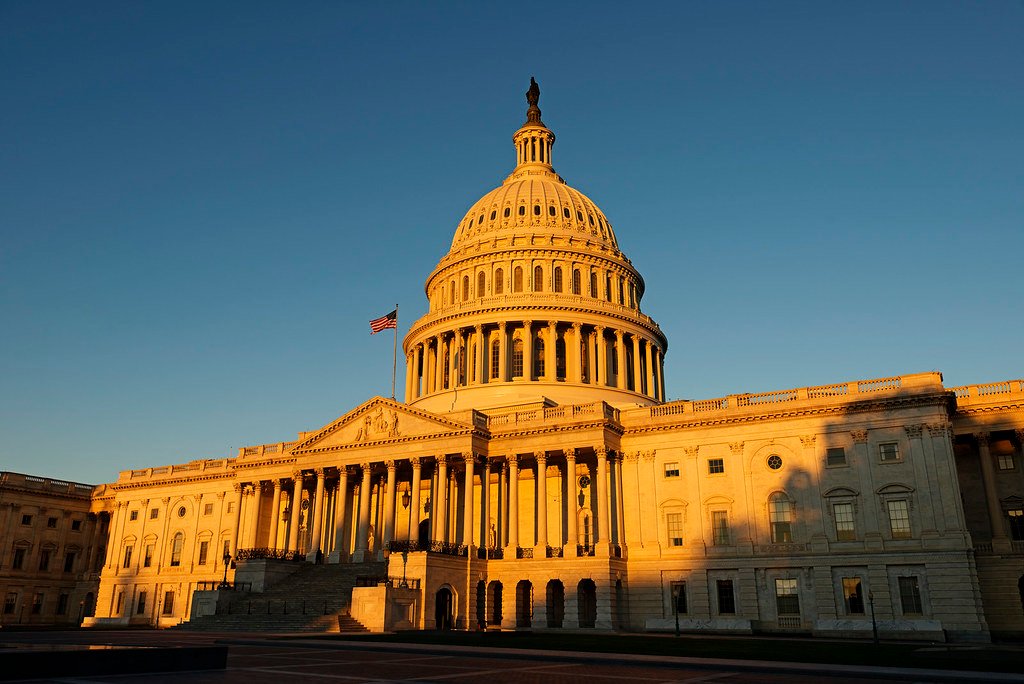
Tribal governments and advocacy organizations are pressing the U.S. Senate to reconsider provisions of the Bipartisan American Affordability and Jobs Act, a permitting proposal designed to accelerate infrastructure and energy projects. Their concern centers on changes to historic-preservation procedures and the extent to which tribal governments can influence decisions affecting ancestral places.
Why Section 106 is disputed
In a November 9 statement, the Native American Rights Fund published a coalition’s opposition to the measure, saying revisions still leave serious problems with Section 106 consultation under the National Historic Preservation Act. The coalition argues that shorter timelines and new procedures could weaken protections for sites that cannot be replaced once disturbed.
Supporters of permitting reform say infrastructure delays raise costs and slow energy construction. Reporting on the Senate’s November 9 action described revisions that proponents say strengthen tribal involvement while critics dispute their adequacy. The disagreement is therefore partly about what meaningful consultation requires in practice, not simply about whether projects should be built.
A Senate vote is not a new law
The Senate advanced debate on the legislation; that procedural action was not final passage into law. The measure would still require further congressional action. Readers should distinguish the coalition’s position, proponents’ claims and the bill’s actual legislative status.
Sources and status
Native American Rights Fund, Nov. 9, 2026; additional context: independent reporting. KNN original reporting based on cited sources; developments are current as of November 9, 2026.