
LONDON — The Natural History Museum is preparing to relocate approximately 28 million specimens from its existing collections to a new scientific facility at Thames Valley Science Park in Shinfield, near Reading, England. The project, known as NHM Unlocked, would transfer around one-third of a collection of more than 80 million objects to purpose-built storage and laboratories.
The museum says construction of the center began in 2025 and is scheduled to finish in summer 2027. Moving collections, equipment and staff is planned for 2028 through 2031, with the facility expected to be fully operational in 2031. The move has not yet been completed.
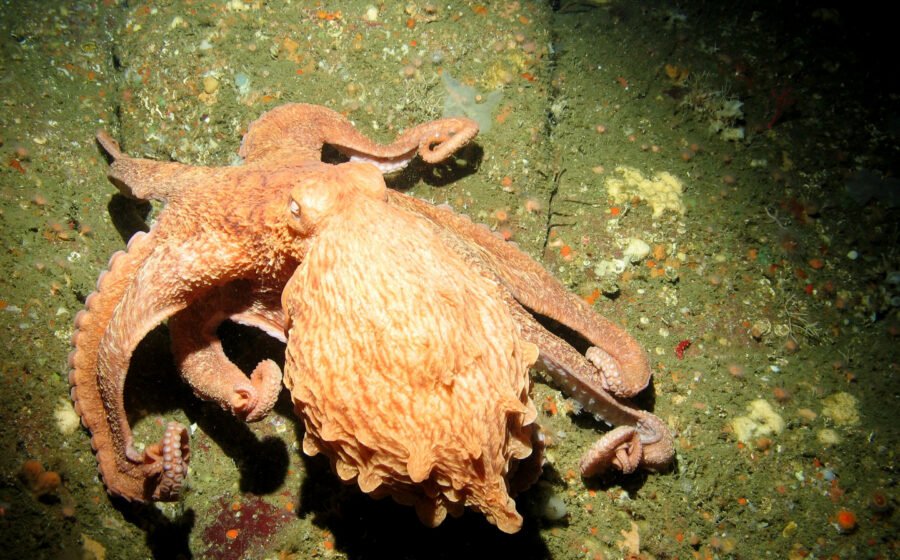
From tiny specimens to enormous animals
In a BBC World Service report, museum workers describe the extraordinary size range of the objects they must pack. Some specimens can be handled with tweezers; others are so large that ordinary doors and lifts present logistical problems. The BBC follows workers measuring a roughly ten-meter preserved anaconda while considering how it can be removed from storage.
Among the marine animals highlighted in the report is a brittle star collected off the coast of California. That small specimen shows why this British museum holds scientific evidence relevant to researchers in the United States and around the world.
Moving such materials means preparing custom supports, documenting condition and tracking exactly where each object is stored. Fragile fossils, preserved specimens and molecular samples pose different handling and environmental challenges. Preventing pest damage and maintaining accurate records are central parts of the process.
What will the new research center include?
According to the museum and the University of Reading, the facility will cover approximately 25,000 square meters. Plans include specialist storage for mammals, fossil mammals and invertebrates, non-insect invertebrates, molecular collections and microscopic fossils. Scientists will have access to specimen-imaging and digitization facilities, ancient-DNA and other molecular biology laboratories, tissue cryostorage, conservation workspaces and collaborative research areas.
The £201 million British government investment supports infrastructure intended to give researchers better access to collections and tools for studying biodiversity, evolution, infectious diseases and responses to environmental change. The proposed capabilities should not be confused with discoveries that have already been made.

Why scientists in the United States should pay attention
Natural history collections provide physical evidence gathered in specific places at specific times. Those records can help researchers compare ecosystems across decades, investigate species distribution and study genetic changes in populations. Digitized images and specimen records also make some research possible without traveling to London for an initial examination, though certain studies still require physical access.
The California brittle star featured by the BBC is one direct American connection. More broadly, the center is planned to serve visiting scientists from around the world, including scientists studying American environments and specimens. The research benefit will depend on how much material becomes digitally accessible and what physical access is possible during the move.
Existing collections access is already changing
The museum says some collections are temporarily restricting loans, research visits and inquiries while material is stabilized, conserved and documented. Its published access notices identify restrictions affecting fossil mammals, anthropology and mammals that began in 2025. The museum says existing commitments and certain descendant-community or repatriation-related inquiries are handled separately. Researchers should consult its current access guidance before planning a visit or loan.
The move is also intended to free space at the museum’s South Kensington site for two public galleries that closed in 1948 and 2004. Those galleries are planned to reopen as part of a wider museum transformation.
What happens next?
Construction is expected to finish in 2027; the transfer of the 28 million specimens is then expected to take place over several years. The project’s most important practical tests will be the safe movement and documentation of the collection, continued research access and the usefulness of the new digitization and laboratory services.
Watch: BBC World Service visits the collection
Original reporting: How Do You Move 28 Million Museum Specimens? — BBC World Service
Sources
- Natural History Museum: NHM Unlocked project, collections and timetable
- Natural History Museum press release: ground-breaking, collections and facilities, September 9, 2025
- University of Reading: partnership and project status, March 20, 2026
- Natural History Museum: current collections-access restrictions
- BBC World Service: moving millions of museum specimens (original video)
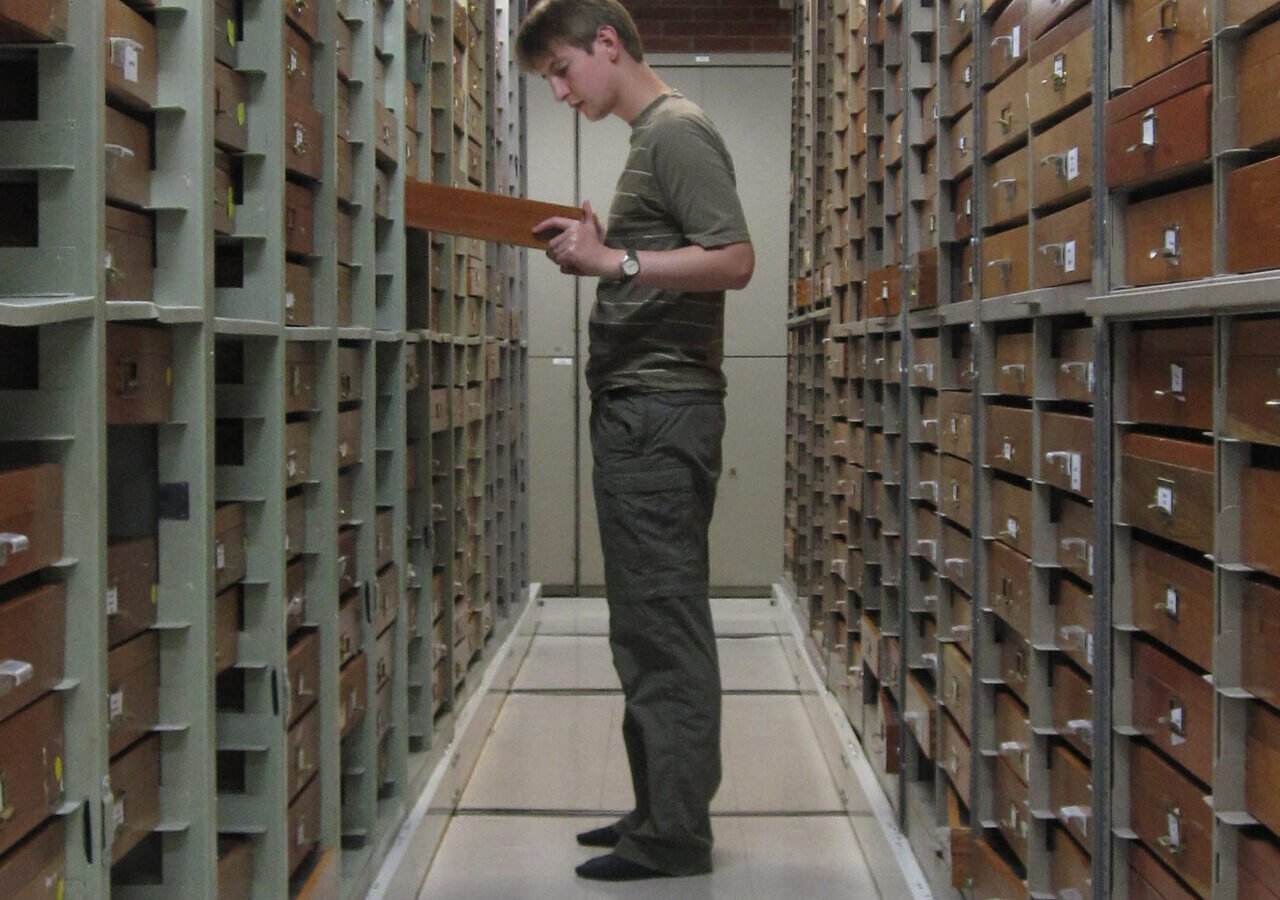
Featured photo (archival): The Natural History Museum London’s entomology storage, photographed in 2010 by Laurence Livermore. Original photograph, CC BY 3.0. The photograph is an archival view, not an image of the present-day relocation. The image has been resized for web presentation and cropped in some thumbnails.