

Technology Desk | Khemetic Nation News Network | October 24, 2026
NASA outlined a more detailed plan on Friday, October 23, for its next major Artemis mission: send four astronauts into Earth orbit in 2027 to test two different commercial Moon-lander systems before attempting crewed lunar landings in 2028. The shift places spacecraft integration and astronaut safety at the center of the agency’s next flight rather than treating Artemis III as a landing mission.
According to NASA’s October 23 mission outline, the planned 14-day flight will put the Orion spacecraft through separate docking exercises with test vehicles built by Blue Origin and SpaceX. NASA says the goal is to learn how the vehicles, computer systems, ground controllers and crews work together in actual flight conditions.
Four astronauts, three spacecraft launches
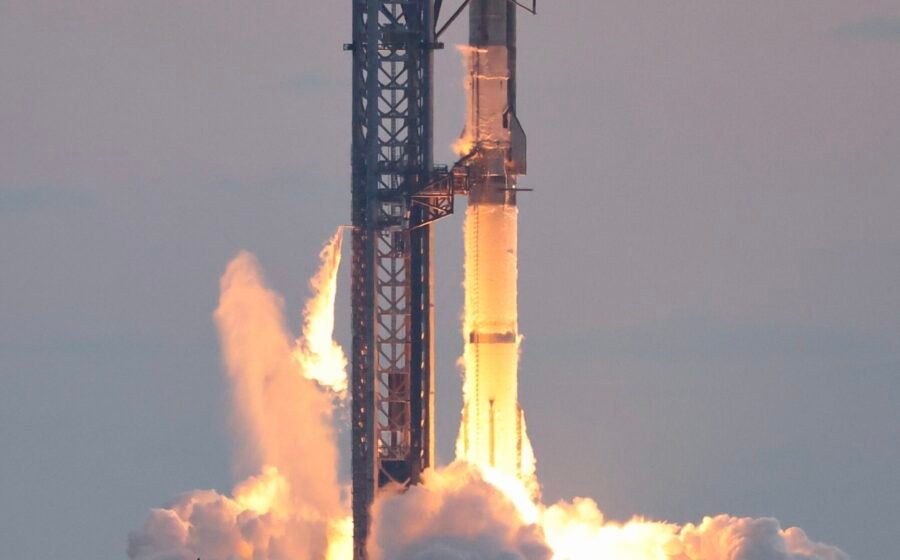
The announced Artemis III crew includes NASA astronauts Randy Bresnik, Frank Rubio and Andre Douglas, alongside European Space Agency astronaut Luca Parmitano. Their Orion spacecraft is planned to launch from Kennedy Space Center in Florida on NASA’s Space Launch System rocket.
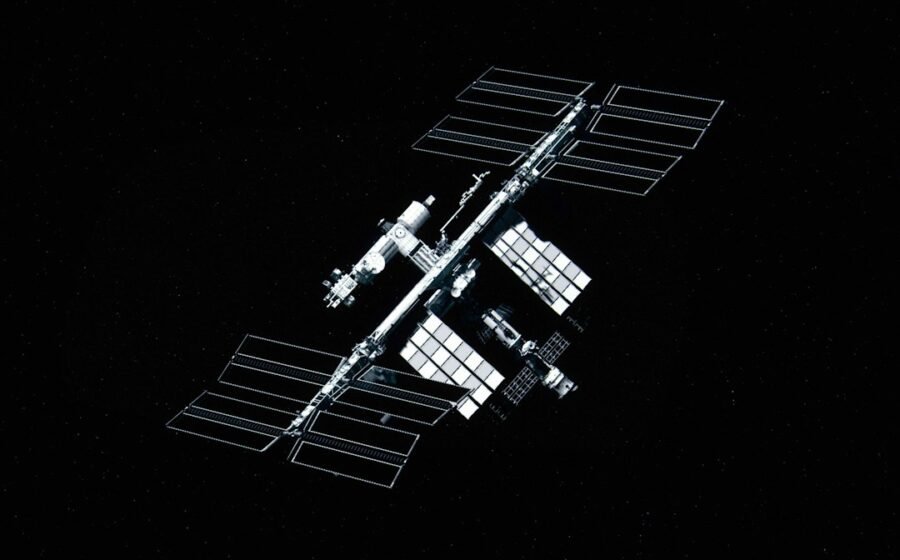
First, Blue Origin is expected to place a test version of its Blue Moon Mark 2 lander in low Earth orbit. Orion would then approach and dock with that vehicle. Astronauts plan to enter the Blue Moon test craft for approximately two days to evaluate cabin controls, environmental systems and life-support equipment.
Next comes a separate docking demonstration with a SpaceX Starship Version 3 test vehicle. NASA expects that interaction to last up to two hours. Unlike the Blue Moon evaluation, the crew will not enter the Starship vehicle. NASA plans to examine docking dynamics, communications and the performance of the connected spacecraft systems.
Why a rehearsal matters
Docking two spacecraft in orbit is not simply a matter of bringing them close together. Flight teams must coordinate precise trajectories, compatible mechanisms, software, atmospheric conditions where crews are involved, and emergency procedures. This mission would test two different docking arrangements during one crewed flight.
It would also give engineers an opportunity to study the Orion crew suits, sensors and environmental conditions while gathering data for future exploration. NASA has proposed biomedical investigations, Earth and solar observations, and operational exercises to prepare astronauts for missions farther from home.
The 2028 target is still a target
NASA’s separate October 23 landing-system update explains that the agency is revising how its commercial partners would transport crews to the Moon. Blue Origin and SpaceX are pursuing different spacecraft and flight architectures, and NASA says the company selected for the first crewed surface landing will depend on readiness. Both are required to conduct uncrewed lunar demonstration flights before transporting astronauts.
The plan keeps 2028 as the target for astronauts to reach the lunar surface, but neither the 2027 test flight nor the future landing should be treated as completed or guaranteed. CBS News’ October 23 coverage likewise reported that NASA is seeking flexibility to reduce delays if one lander program experiences difficulties.
For the public, the key development is an engineering milestone on the calendar: a proposed flight designed to practice the difficult steps of getting people from one spacecraft to another in space before those steps must work near the Moon.
Watch the NASA briefing
NASA streamed its October 23 Artemis program update. View the official Artemis Acceleration event page on NASA+ (replay availability may vary).
Sources and image note
Primary sources: NASA: Artemis III Mission Operations (Oct. 23, 2026); NASA: Human Lander Development Changes (Oct. 23, 2026). Independent context: CBS News (Oct. 23, 2026).
Featured image: illustrative image of the Moon, not a photograph of the planned 2027 Artemis III mission. Photo: Javier Miranda / Unsplash.