NATION DESK — November 3, 2026. The National Congress of American Indians (NCAI) has called for a coordinated response to bridge access issues affecting the Fort Yuma Quechan Indian Tribe and surrounding communities in California’s Imperial County. The group’s October 30 statement connects the dispute to travel for health care, emergency response, school and other essential services.
Why two bridges are central to the dispute
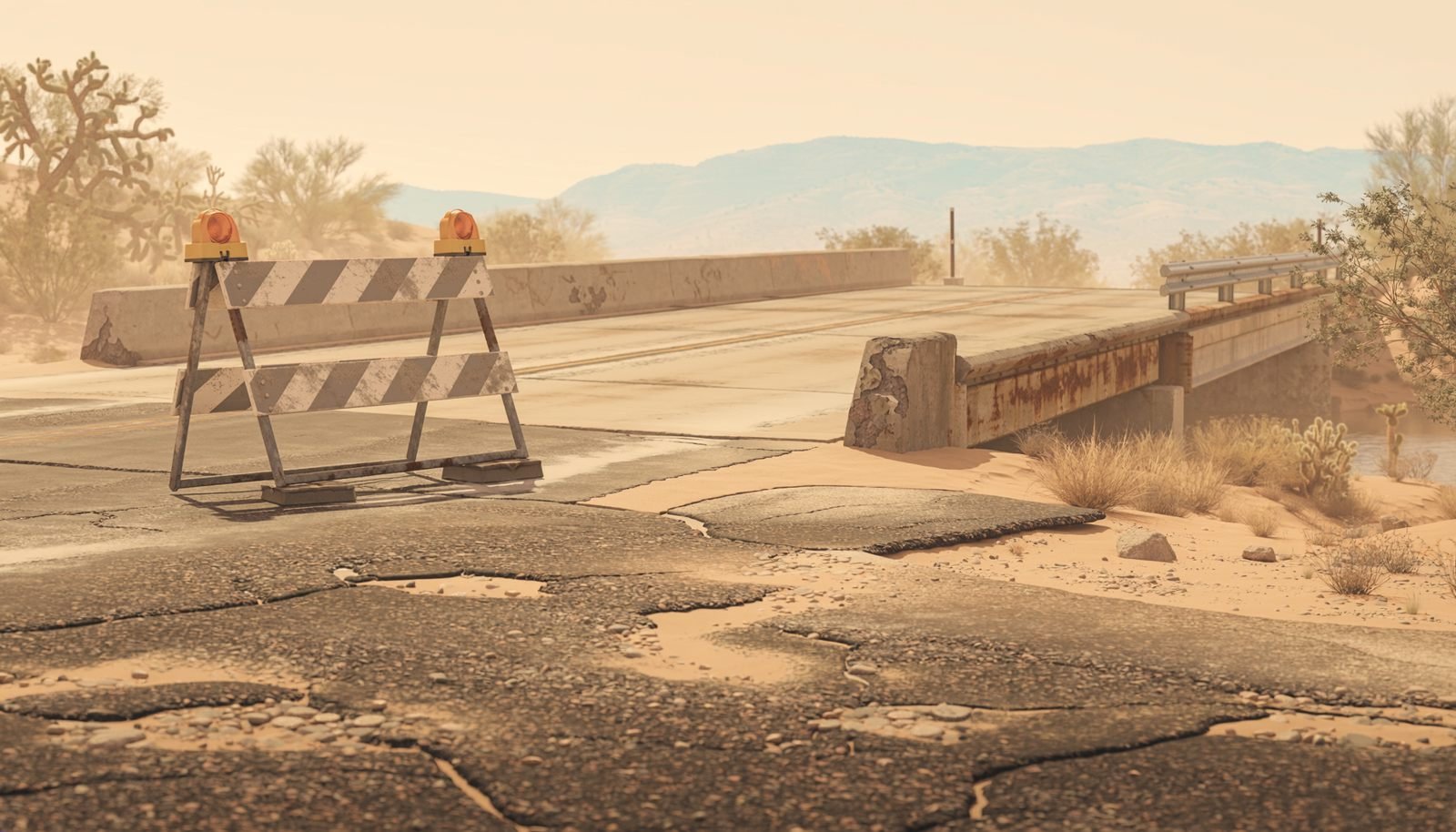
According to NCAI’s account of the Tribe’s concerns, the Picacho Road Bridge has been closed since March 2025. Traffic has been redirected to Arnold Road Bridge, which the county reportedly designated as an emergency. These details are attributed to the NCAI statement; KNN has not independently inspected bridge conditions or verified a construction schedule.
In communities where travel routes are limited, closures can affect more than commuting. They can alter school routes, ambulance travel and access to public services. NCAI argues that residents should receive transparent information about safety and restoration plans.
Requests for an official response
NCAI’s statement follows criticism of a county supervisor’s remarks during a meeting at which tribal citizens raised concerns. The organization says an apology was acknowledged by a cultural committee but argues that public accountability must also include action on transportation access.
NCAI supports the Tribe’s requests for a written timeline for bridge funding, construction and reopening; an emergency-access plan developed with tribal officials; public updates in Winterhaven; and a government-to-government meeting. These are requests, not confirmed commitments from the county.
What the record does not yet show
The October 30 statement does not establish a funded completion date for either bridge. KNN is not reporting that repairs have been authorized or that public access has been restored. Subsequent county and tribal statements may clarify those points.
Editorial scope: This Nation Desk article reports on an external tribal-government infrastructure concern. It is not an announcement about a Khemetic Nation project or facility.
Primary source
National Congress of American Indians, October 30, 2026. Assertions about the dispute are attributed to the organization that published the statement.
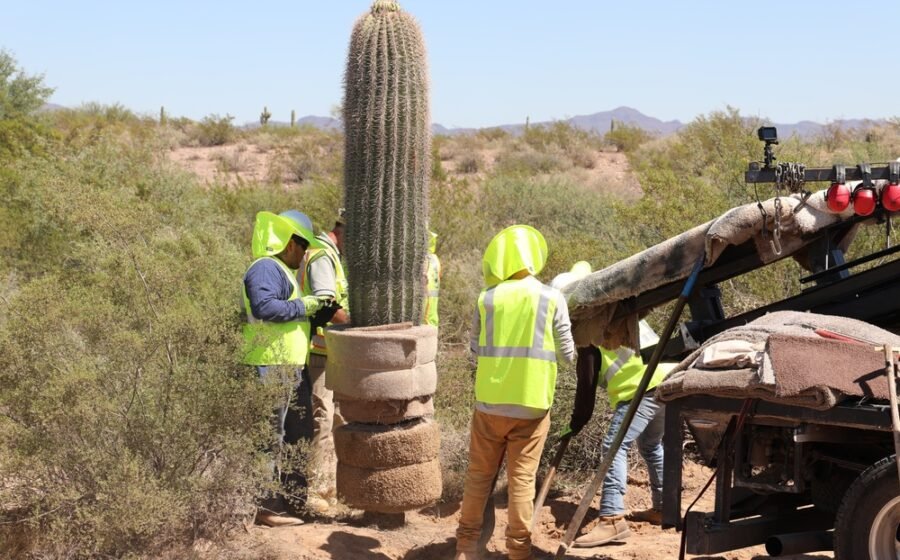
Photography note: The featured image and accompanying photograph-style artwork are conceptual editorial illustrations, not images captured at the event or location described. They are used for context, not as evidence.