Khemetic Nation News Network | World Desk | October 15, 2026
BANGKOK — Disruption to shipping through the Strait of Hormuz is now being felt in agricultural operations, Alvaro Lario, president of the United Nations International Fund for Agricultural Development (IFAD), said in an October 15 interview. The warning links a global shipping bottleneck to higher input costs for farmers and potential food-price pressures.
How maritime disruption reaches the fields
Speaking to Reuters on October 15, Lario said the prolonged disturbance had affected fertilizer supplies, fuel prices and transport. Farmers initially relied on existing stocks, but persistent uncertainty has reportedly encouraged some to reduce fertilizer applications or change planting decisions.
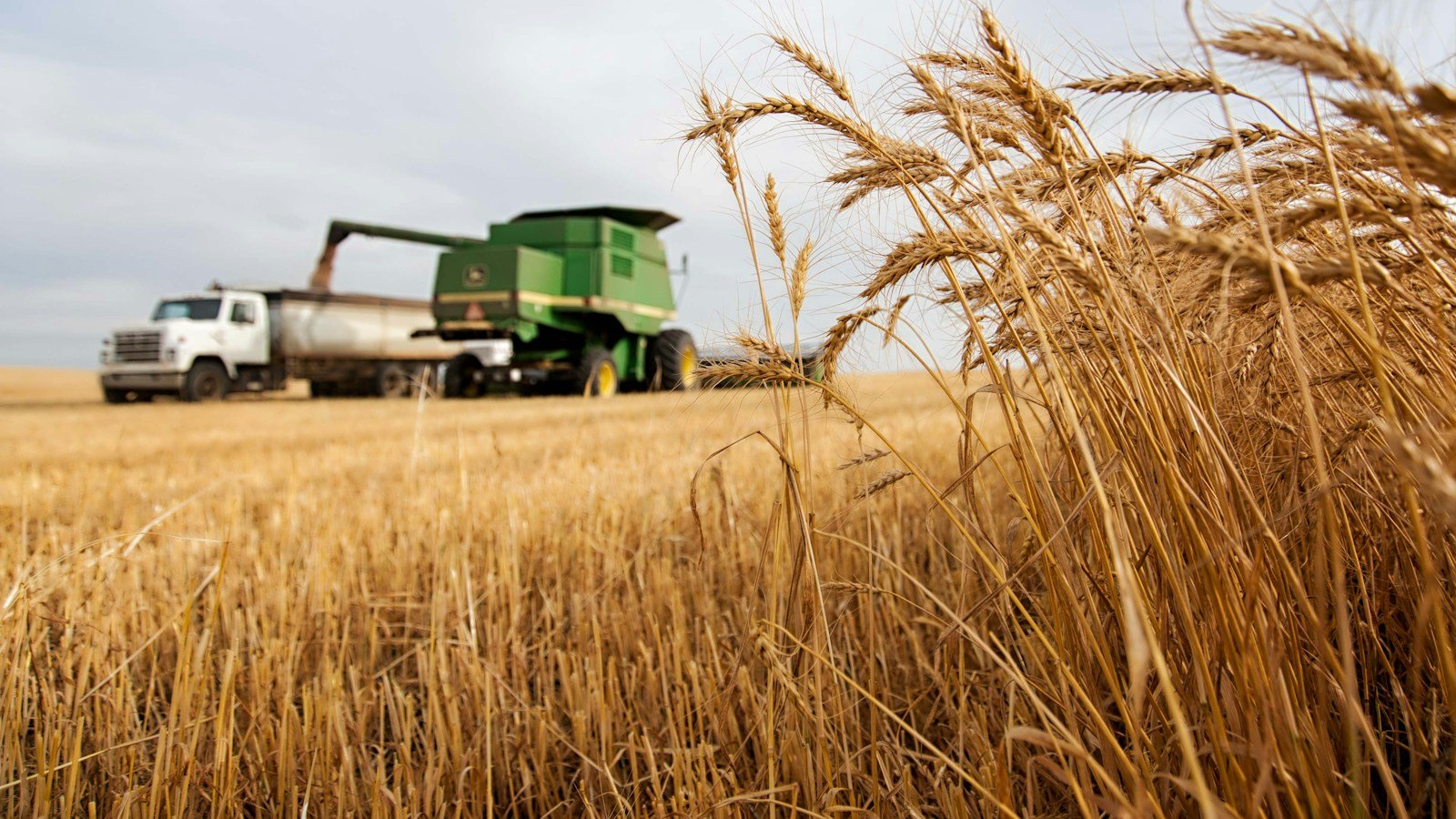
Mechanized harvesting also depends on fuel, which can become more expensive when global transport and energy markets are strained. The effects are uneven: countries relying heavily on imported food, fuel and fertilizer can face greater exposure than those with more diversified local supply.
Food-security warning, not a confirmed global shortage
Lario told Reuters that agricultural commodity prices rose 13% during the third quarter and said further increases could occur. These are his reported observations and expectations—not proof that every market or country is already experiencing a food shortage.
Disruptions to Black Sea wheat supplies and weather-related concerns add to the uncertainties affecting the next harvests. Smallholder farmers may also shift toward faster-yielding crops when longer-term investments appear riskier.
What comes next
International agencies and governments are monitoring the passage of fertilizer and other agricultural inputs through the region. The outcome will depend on shipping access, energy costs, available inventories and local growing conditions over the coming months.
Sources: Reuters interview with IFAD president Alvaro Lario, October 15, 2026; International Fund for Agricultural Development (agency information).
Photo: Darla Hueske / Unsplash. Illustrative agricultural harvest; not a photograph of the shipping disruption or a particular affected farm.