


WORLD DESK — November 3, 2026. The United Nations Department of Economic and Social Affairs has expanded its public explanation of the World Social Report 2026, arguing that economic growth, digital innovation and the energy transition do not automatically create opportunity for everyone. A November 2 UN commentary drew attention to a new dashboard using evidence from 168 countries over 25 years.
A report launched in October, discussed again in November
The full report was launched October 15, 2026; the November 2 UN article builds on that release rather than announcing an entirely new study. The report proposes a Socially Inclusive Transformation dashboard to examine whether countries’ changes in economic production, technology and energy systems also deliver more equitable benefits.
UN DESA says countries with similar levels of income or transformation can differ substantially in social inclusion. That distinction matters because more investment or faster adoption of technology is not, by itself, evidence that ordinary residents can afford or access its benefits.
What the UN counted
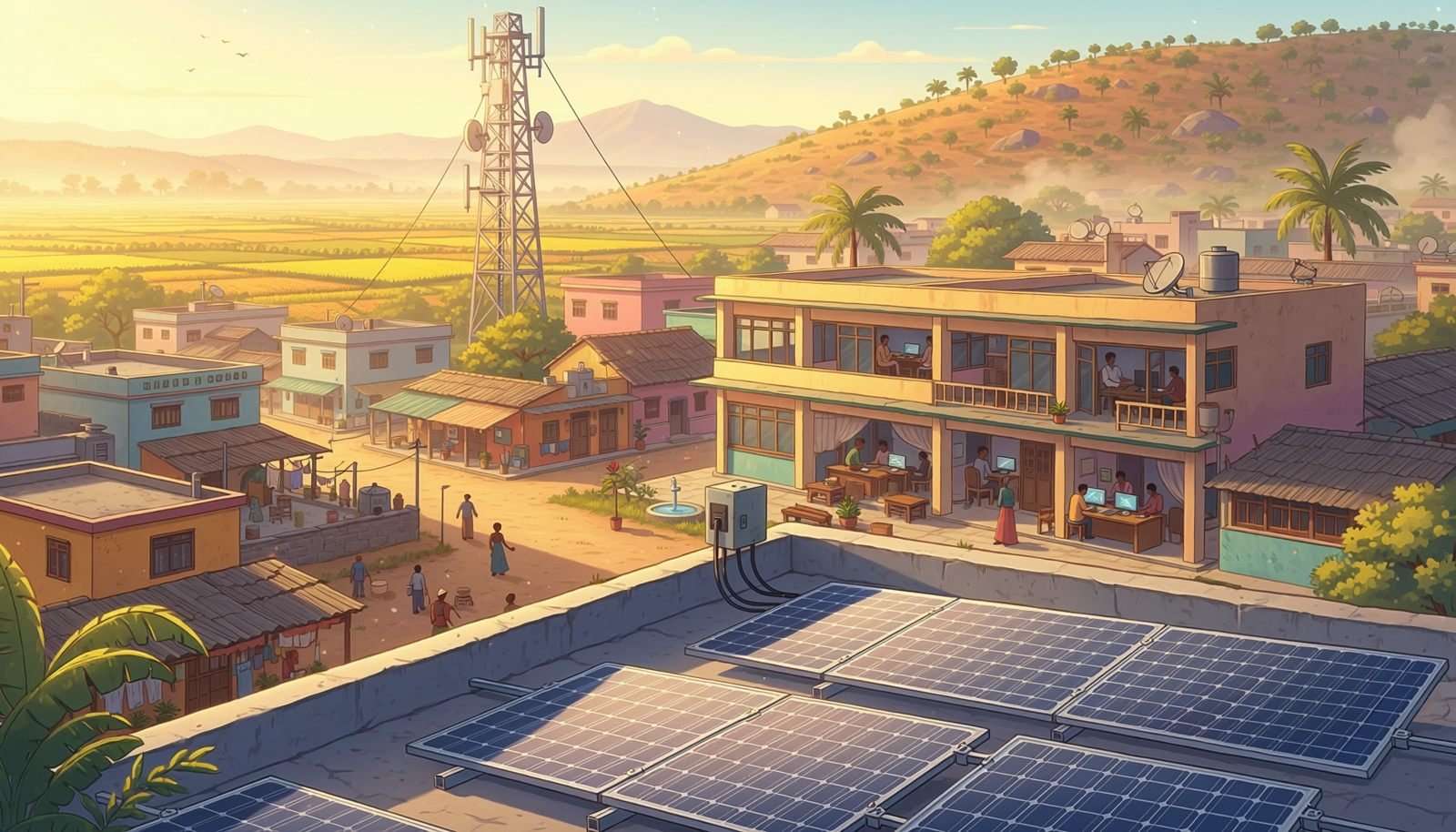
Among the findings reported by UN DESA, 26 percent of the world’s population lacked internet access in 2025, while 58 percent of workers globally were informally employed. The report also notes that the benefits of digital transformation depend on factors such as skills, connectivity, energy access and institutions.
These are global figures that summarize different measures; they should not be treated as a ranking of individual countries or as proof that one policy alone caused better outcomes.
What the authors propose
The report recommends placing social inclusion at the center of policy design, including broader skills and education opportunities, reliable energy and internet access, better labor-market protections and wider sharing of economic gains. These are policy proposals within the UN report, not binding international rules.
For communities discussing new infrastructure, the report invites a practical question: when a project is finished, who can actually use it, and who remains priced out?
Sources
UN DESA, World Social Report 2026, published October 2026 and UN DESA commentary, November 2, 2026. The 2026 report is an analysis and policy framework, not a newly enacted treaty.
Photography note: The featured image and accompanying photograph-style artwork are conceptual editorial illustrations, not images captured at the event or location described. They are used for context, not as evidence.


