Thirty American colleges and universities have been named in a federal civil rights complaint alleging that their relationships with a graduate-school recruitment program may sidestep the Supreme Court’s 2023 restrictions on race-conscious admissions. The complaint, filed November 12, 2026, by the Equal Protection Project with the U.S. Department of Justice’s Civil Rights Division, seeks an investigation. It is an allegation, not a finding that the institutions discriminated.
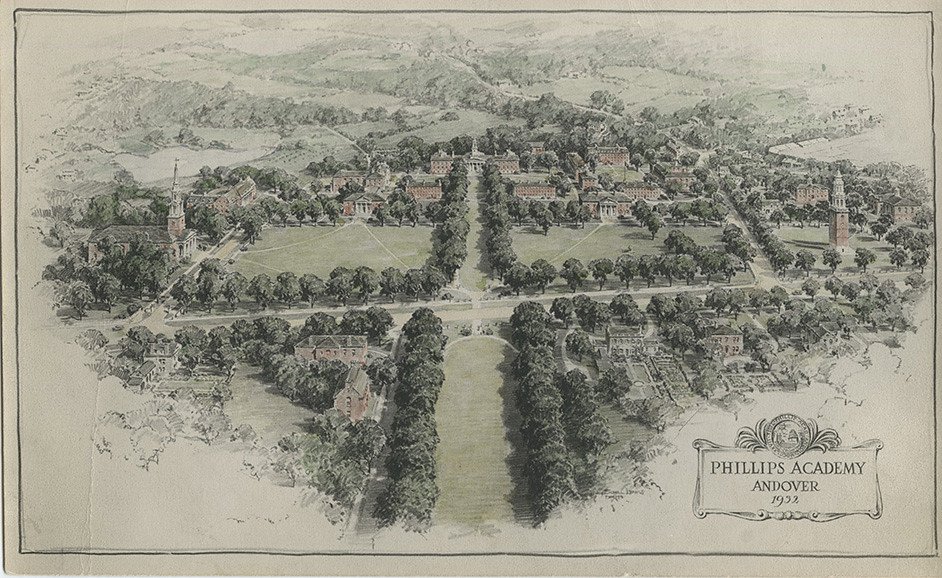
According to reporting published by the New York Post on November 12, the schools include Harvard, Yale, Princeton, Stanford, Columbia, Cornell, Brown, Duke, Rice and other institutions. The question centers on their participation in a consortium associated with the Institute for Recruitment of Teachers (IRT), based at Phillips Academy in Andover, Massachusetts.
What the complaint alleges
The Equal Protection Project contends that colleges may be receiving a pool of candidates shaped by the IRT’s diversity-focused recruitment work and that this could amount to an impermissible indirect consideration of race. The group invokes Title VI of the Civil Rights Act of 1964, which prohibits racial discrimination in programs and activities receiving federal financial assistance.
Equal Protection Project founder William Jacobson told the New York Post that he believes the consortium warrants scrutiny, but he also acknowledged that his organization does not possess the participating universities’ internal admissions records. The reporting does not establish that any individual applicant received an unlawful preference.
What the Institute for Recruitment of Teachers says it does
Established in 1990, IRT provides aspiring teachers, researchers and education leaders with graduate-school advising, application preparation, fee waivers and connections to participating institutions. Its published program description says scholars can obtain help with statements of purpose, application materials and graduate-school selection.
IRT’s official 2026 impact figures show 104 scholars in its 2026 cohort: 93% identify as people of color, 54% are first-generation college students, and 52% identify as low-income. These figures describe the cohort’s composition. By themselves, they do not show whether any applicant was excluded because of race or how a university decided whom to admit.
IRT’s published application requirements call for academic qualifications, an interest in education and a commitment to addressing racial disparities. These criteria and the program’s mission raise legal questions about implementation; they are not, on their face, proof that participating graduate schools made race-based admissions decisions. IRT says its partnerships span more than 40 institutions, while the reported complaint names 30.
What the Supreme Court ruled in 2023
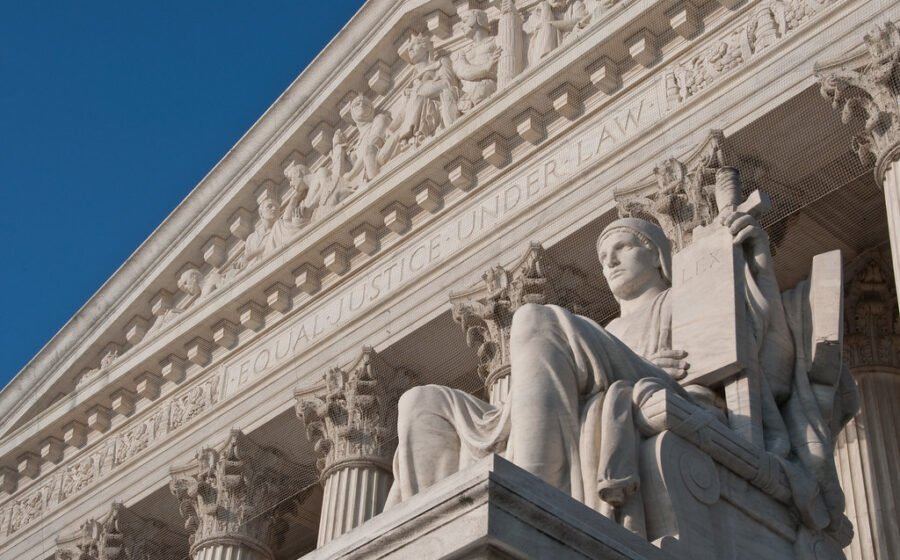
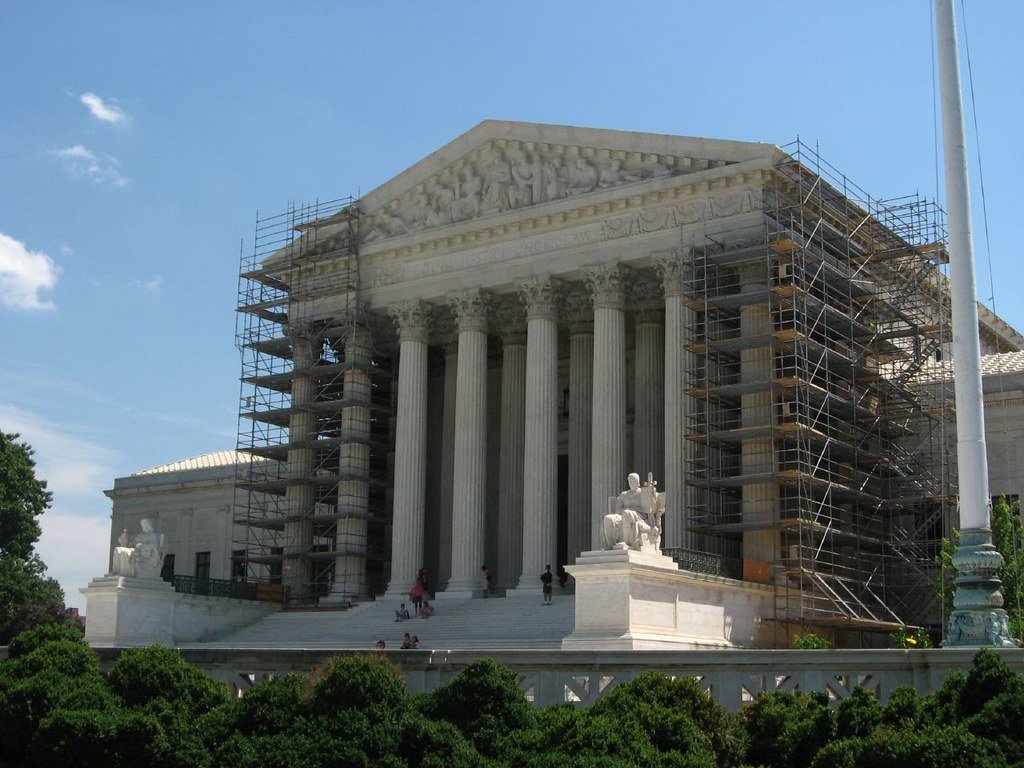
On June 29, 2023, the Supreme Court ruled against the admissions systems at Harvard and the University of North Carolina in Students for Fair Admissions. The decision sharply restricted the use of race as a factor in college admissions and rejected efforts to achieve racial balancing through those admissions systems. Read the Court’s opinion.
The ruling did not create a blanket prohibition on universities considering applicants’ individual experiences, including experiences with discrimination, as part of evaluating personal qualities or achievements. Nor does it automatically establish that every diversity-oriented mentoring, outreach or recruitment initiative violates federal law. Whether a particular arrangement is lawful depends on how it actually operates.
Why the dispute matters to students
Programs like IRT can help students navigate graduate admissions and obtain financial support, particularly when they lack access to professional mentors or the means to pay multiple application fees. Questions about eligibility and university involvement affect both prospective applicants and institutions responsible for ensuring compliance with federal civil rights protections.
The public interest lies in separating two questions: whether the IRT’s own selection process unlawfully treats applicants differently because of race, and whether any partner university uses race improperly when deciding whom to admit. Those questions require more evidence than demographic statistics or consortium membership alone.
What remains unverified
As of this report, there is no confirmed public finding that these 30 universities violated Title VI through the IRT relationship. The New York Post reported contacting the schools and IRT for comment; this article does not attribute a response to an institution without a verified statement. An independent review of the full November 12 complaint filing was not available for this article, so its characterization is attributed to the original reporting.
The next steps to watch are any confirmation from the Justice Department that it has opened an investigation, any responses from the participating schools or IRT, and any evidence about the admissions or referral practices at issue.
Sources and image credits
- New York Post, Nov. 12, 2026 — reporting on the civil rights complaint and the institutions named
- Institute for Recruitment of Teachers — mission, 2026 cohort data and partnership information
- Institute for Recruitment of Teachers — program services and application criteria
- U.S. Supreme Court, Students for Fair Admissions v. Harvard, June 29, 2023
- Featured image: Ken Lund, U.S. Supreme Court Building, CC BY-SA 2.0. Historical inline image: Phillips Academy, Andover, CC BY-SA 2.0.