November 10, 2026 | By Lotta Goddess
A cyberattack that altered refrigeration settings at three facilities operated by France’s national blood service has prompted an explicit warning from the U.S. Food and Drug Administration about the vulnerability of internet-connected cold-storage systems.
The incident occurred overnight November 1–2 and affected systems supplied by a refrigeration contractor to the Établissement français du sang (EFS). According to French reporting, attackers programmed some units that ordinarily operate around minus 30°C (minus 22°F) toward 110°C (230°F). That figure describes a programmed setting, not a temperature the plasma or storage rooms were confirmed to have reached.
EFS said alarms and staff action prevented damage to the stored samples and blood products. It reported no blood-product losses, no identified health consequences, and uninterrupted collection and distribution operations. The episode matters to U.S. patients because similar connected refrigeration systems protect blood, medicines, food and other temperature-sensitive supplies.
Featured photograph: Établissement français du sang facility in Nancy, France, photographed in 2021. Archival image; this facility has not been identified as one of the three affected locations. Photo by Alexandre Prevot, CC BY-SA 2.0; resized for web display.
What happened to the blood-service cold rooms?
On November 2, the systems used to supervise and operate cold rooms at three EFS sites were affected through a supplier’s refrigeration technology. Reuters reported that the affected sites’ controls were manipulated and that employees received alerts, then moved products to unaffected storage.
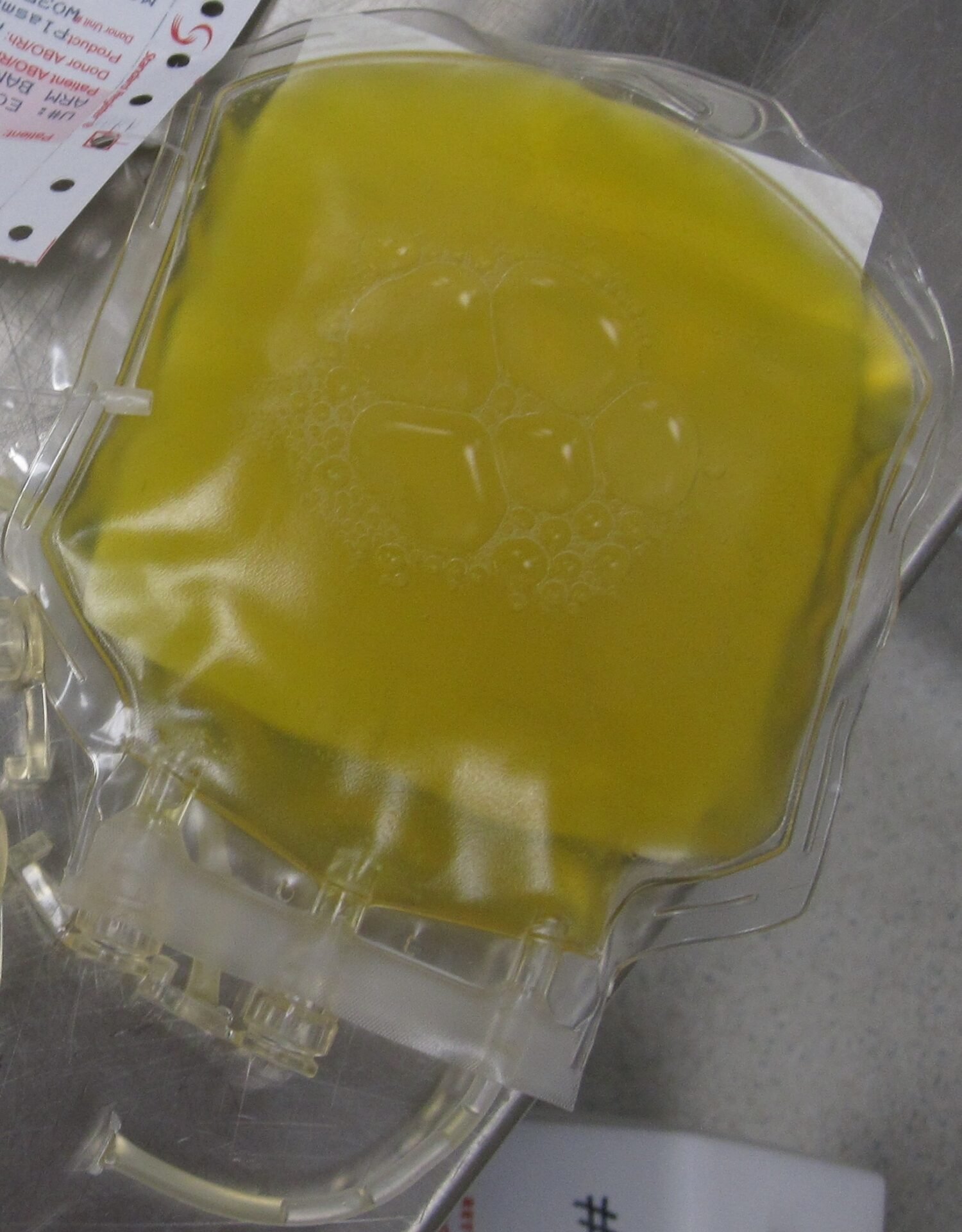
The cold rooms contained plasma intended for transfusions and plasma intended to be processed into medicines. EFS said its own monitoring and alarm systems quickly identified abnormal temperature and defrost settings, allowing personnel to secure or move products and prevent harm.
In its November 3 statement, EFS stressed that the attack was against a supplier rather than a confirmed direct cyberattack against EFS’s own systems. Officials also said remote access to affected refrigeration equipment was disabled while investigations continued.
What does the reported 110°C temperature mean?
French weekly Le Canard enchaîné first reported that the attacker-set temperature target reached 110°C. The EFS publicly confirmed that temperature and defrost thresholds had been raised to very high levels, without independently publishing that exact figure. Associated Press coverage also distinguished the attempted change from any verified loss of material.
The difference is crucial. A controller’s temperature setting is a command to equipment; it is not a recorded measurement of the room or its contents. The available official statements do not show that plasma bags or blood samples reached 110°C. Reports that the products were “heated to 230°F” would therefore overstate what has been established.
Why a refrigeration supplier became the weak point
French media identified Coolworld as the refrigeration supplier associated with the incident. In a November 4 statement, the company acknowledged a cybersecurity incident involving remote-monitoring software used in refrigeration systems and said a limited number of its units were affected. It described the problem as involving a third-party component outside its direct control and said it was supporting customers.
Technical investigators have not publicly established whether the attackers exploited a software flaw, obtained maintenance credentials or used some other entry point. Nor have they publicly identified a particular controller model involved in the EFS case.
For hospitals and laboratories, the concern is a supply-chain exposure: a facility may secure its own network while depending on contractors whose equipment can alter physical conditions at the site.
French cybersecurity officials had already warned about these systems
On October 12, with updates through October 16, France’s CERT-FR warned about compromises of remotely managed refrigeration controllers, naming certain Danfoss, Copeland and Dixell product families. The alert urged operators to remove publicly exposed management interfaces and use secured networks or virtual private networks for remote access.
That advisory demonstrates that refrigeration controllers were an active security concern before the blood-service incident. It does not establish that a particular controller listed in the alert was used at the EFS sites.
France attributes an earlier supermarket attack to Iran—but not this blood-bank incident
In a separate November 9 statement, France’s Foreign Ministry attributed an October 11–12 cyberattack against refrigeration controllers at more than 700 French retail sites to an Iranian cyber unit it identified as Shahid Kaveh, affiliated with Iran’s Islamic Revolutionary Guard Corps. France said that campaign damaged equipment, triggered fires and spoiled large amounts of food.
The French attribution concerned the October retail attack. It did not publicly establish responsibility for the November 2 EFS incident or show that the same actors were behind it. The overlap in the type of equipment targeted warrants scrutiny, not an assumption that the two cases share perpetrators.
FDA issues an alert with implications for the United States
On November 6, the U.S. Food and Drug Administration issued cybersecurity guidance that specifically cited recent European incidents involving grocery stores and French blood collection services.
The agency warned that weak cybersecurity in interconnected refrigeration systems can jeopardize the safety and availability of FDA-regulated products—including food and blood products—that depend on reliable refrigeration during manufacturing, distribution or storage.
The FDA encouraged regulated businesses to identify weaknesses in cold-chain infrastructure and disaster-recovery plans and strengthen their ability to maintain operations during a cyberattack. The statement did not say that an identical incident had occurred at a U.S. blood bank.
How can hospitals protect patients and essential supplies?
The EFS response provides a practical lesson: detection and a rehearsed physical backup are as important as the network defenses themselves. Hospitals, laboratories, pharmacies and blood centers can examine whether refrigeration controls are exposed to the public internet, whether remote access is narrowly restricted, and whether a separate alarm system can detect dangerous changes even if a primary controller is compromised.
They can also test whether staff will receive alerts at all hours, whether enough alternative refrigeration capacity exists, and whether product-temperature records can establish that stored material remained safe.
Remote monitoring can be useful for identifying equipment failures. But when the ability to monitor is coupled with remote control, the security design must account for an attacker’s capacity to change temperatures or defrost settings. Independent monitoring, access controls, network segmentation and emergency transfer plans can reduce the consequences of a compromise.
What remains unknown
As of November 10, authorities had not publicly identified the intruders or the exact technical means used to compromise the supplier. The total number of potentially affected devices and conditions for securely restoring affected systems were under examination.
The verified result remains narrower—and important—than some alarming headlines imply: malicious changes were made to medical refrigeration controls, but alerts and staff action prevented reported damage to products. The FDA’s subsequent warning shows that protecting America’s cold chain is now a specific cybersecurity and public-health priority.
Video commentary
Technology commentator Louis Rossmann discusses the blood-service refrigeration incident and the risks of remotely adjustable refrigeration controls in the original video supplied for this report. The video contains commentary; the factual account above is based on official statements and corroborating reporting.
Primary sources and reporting
- French Blood Establishment (EFS), November 3 incident statement
- U.S. FDA, cybersecurity resiliency warning
- CERT-FR, refrigeration controller warning (October 12–16)
- Coolworld, November 4 cybersecurity update
- French Foreign Ministry, November 9 attribution of separate October retail attacks
- Reuters, November 4 reporting on EFS and European refrigeration attacks
- Associated Press, November 4 reporting