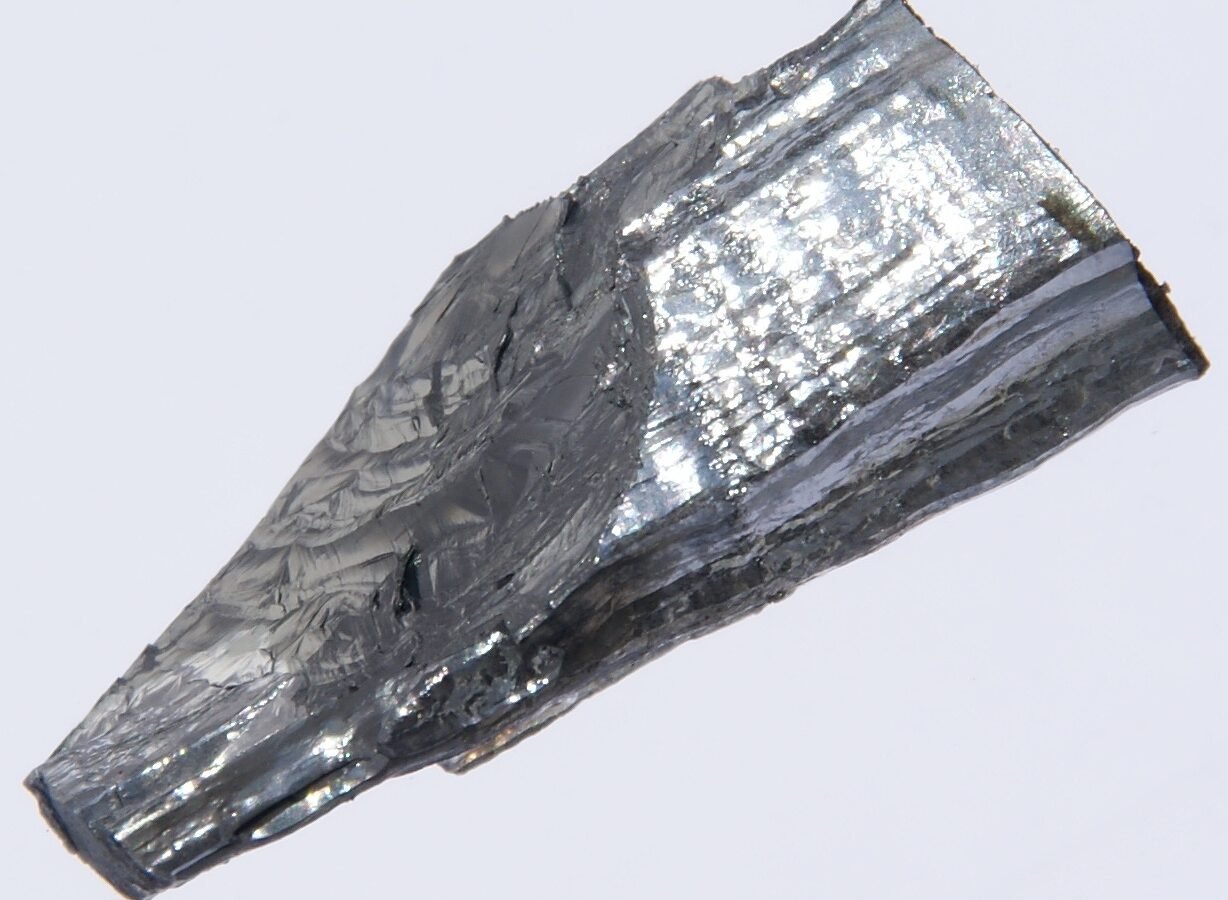
A research team has discovered that a carefully timed diamond-tip indentation can form new crystal grains inside molybdenum without extreme heat. The effect is real but microscopic—and not yet an industrial manufacturing process.
Researchers at the University of Rochester in New York and Technion–Israel Institute of Technology have found an unexpected way to change molybdenum’s internal structure at room temperature. Their peer-reviewed study was published online October 27, 2026, in Proceedings of the National Academy of Sciences. The University of Rochester reported the finding on November 9.
Molybdenum is a metal prized for resistance to high temperatures and is being investigated for certain next-generation semiconductor applications. The new experiment does not show that entire metal components can be recrystallized without heating them. Instead, the researchers captured a brief, highly localized change inside carefully prepared samples.
A tiny push—and a surprising result
The experiment began as a test of whether extremely high pressure might produce a different solid phase of molybdenum. Researchers instead observed new crystal grains forming after pressing a diamond-tipped instrument, called a nanoindenter, into a molybdenum single crystal.
During the test, the tip made a sudden tiny movement into the surface, known as a “pop-in.” Stopping immediately after that first event preserved newly formed grains with different orientations from the surrounding material. Continuing to push made the grains disappear, according to the study.
That timing is crucial. The research captured an ordinarily fleeting change rather than demonstrating a broadly available metal-processing treatment.
Why the metal’s grains matter
Metals are made of ordered atomic regions called crystal grains. Their size, orientation and boundaries can affect strength and the way a metal deforms. Conventional recrystallization of molybdenum commonly relies on heating to temperatures around 1,000 degrees Celsius, although the exact temperature depends on the material’s prior processing.
The study identifies two mechanisms for mechanically driven grain formation: twinning, in which a portion of the lattice adopts a related orientation, and rearrangement of dislocations, which are defects in the atomic pattern. Computer simulations helped the scientists examine the circumstances in which these processes form new boundaries and why further deformation can erase the result.
Potential relevance to U.S. semiconductor manufacturing
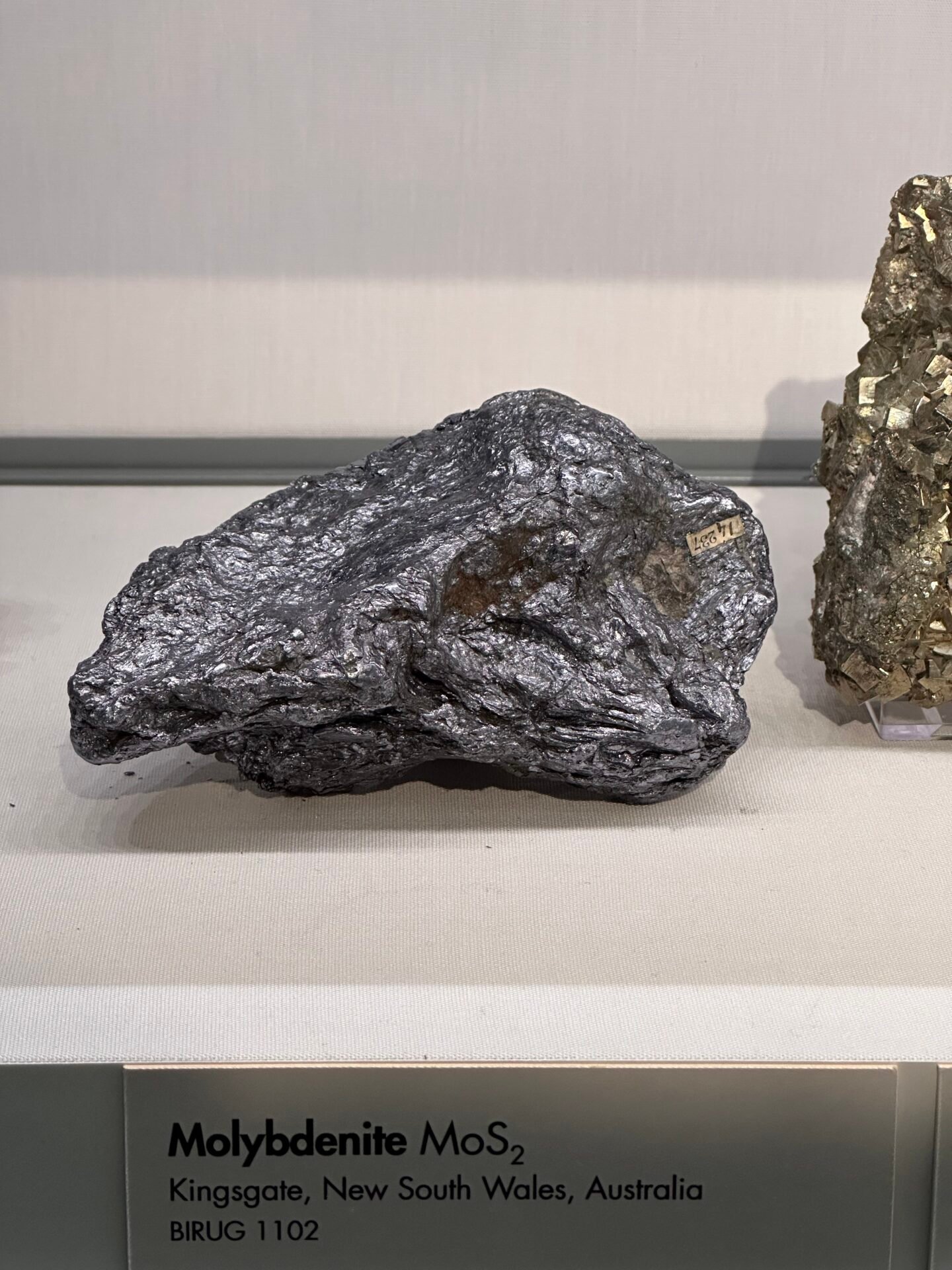
Chipmakers are searching for new materials and production techniques as electrical interconnects shrink. Molybdenum is among the metals being investigated for some advanced chip applications. Precise control of local grain structures might someday contribute to research on defect management or specialized manufacturing.
Researchers also see possible relevance to demanding engineering materials used in aerospace and energy. However, the reported experiment did not measure improved chip performance, prove stronger finished components, or establish a practical repair method for commercial equipment.
What scientists still need to establish
Future work must test whether the effect can be reproduced reliably in more realistic materials, how it affects mechanical and electrical performance, and whether it can be applied outside the tiny experimental region.
The discovery is nevertheless an important experimental result: it shows that a precisely controlled mechanical event, rather than heating, can create new crystal grains inside molybdenum at room temperature.
Sources
- Original peer-reviewed study, PNAS (October 27, 2026)
- University of Rochester research announcement (November 9, 2026)
- PubMed study record
Photo note: The featured photograph shows a representative pure molybdenum crystal rather than the specific sample studied. Photo: Hi-Res Images of Chemical Elements / Wikimedia Commons, CC BY 3.0.