Khemetic Nation News Network | Education Desk | October 13, 2026
Two new policy briefs published by the UNESCO International Institute for Educational Planning put school leadership in Benin and Madagascar under the microscope. Released in an October 12, 2026, announcement, the research asks not only how many women hold primary-school principal positions, but what kind of institutional support helps them lead effectively.
What the numbers show
In Benin, women held 17% of primary school leadership roles in 2022, according to the new policy analysis. Their representation was stronger in urban locations. IIEP-UNESCO points to barriers including social expectations, posting conditions, safety concerns and access to qualifications. The institute also reports an association between female school leadership and improved girls’ retention and rural learning outcomes in comparable public-school settings. An association does not, by itself, establish that appointing a woman principal caused a particular outcome.
In Madagascar, women held 35% of public primary school principal positions, while their share in the private sector exceeded half. Regional differences are substantial: urban locations and regions with more women teachers tend to have higher representation in principal posts.
Leadership requires more than an appointment
The studies form part of IIEP-UNESCO’s Women in Learning Leadership work with UNICEF Innocenti. Their recommendations move beyond numerical targets. They include transparent selection standards, relevant qualifications, professional development, ongoing guidance, improved working conditions and attention to harassment and restrictive gender expectations. The briefs also emphasize the practical difficulties of attracting qualified leaders to remote schools.
That shift matters for education planning. A principal may be tasked with coaching teachers, monitoring learning, communicating with families and keeping a school functioning with limited resources. Training without authority can leave leaders powerless; authority without training can leave them unprepared. Effective systems must address both.
What educators elsewhere can learn
The research does not offer a universal formula for every country or school. It does provide a useful question for education leaders: Are we creating pathways into leadership and giving new leaders the conditions to succeed? That question applies to public, private and digital schools alike, even when their day-to-day operations differ.
For students, the end goal is not a staffing statistic; it is a capable, supported school community where more children can stay enrolled and learn well.
Sources and context
IIEP-UNESCO announcement, October 12, 2026, with links to the separate Benin and Madagascar policy briefs.
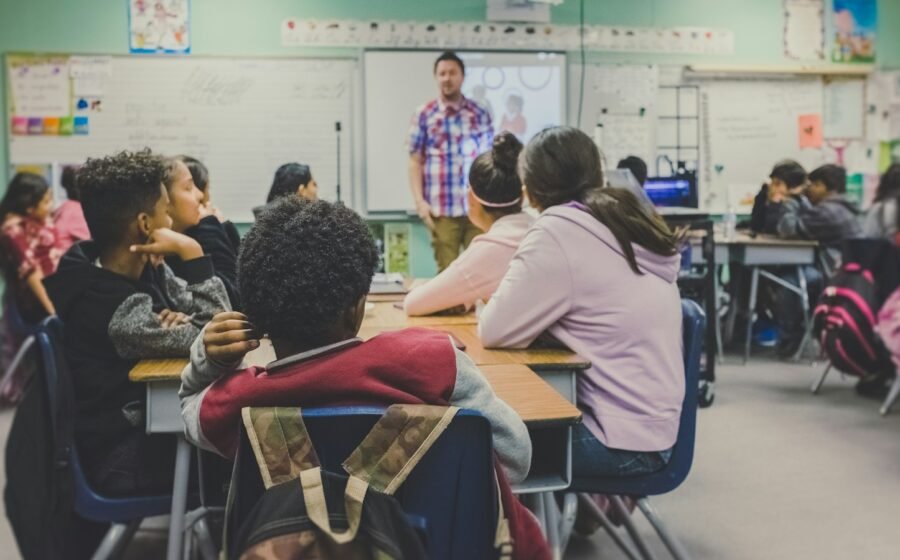
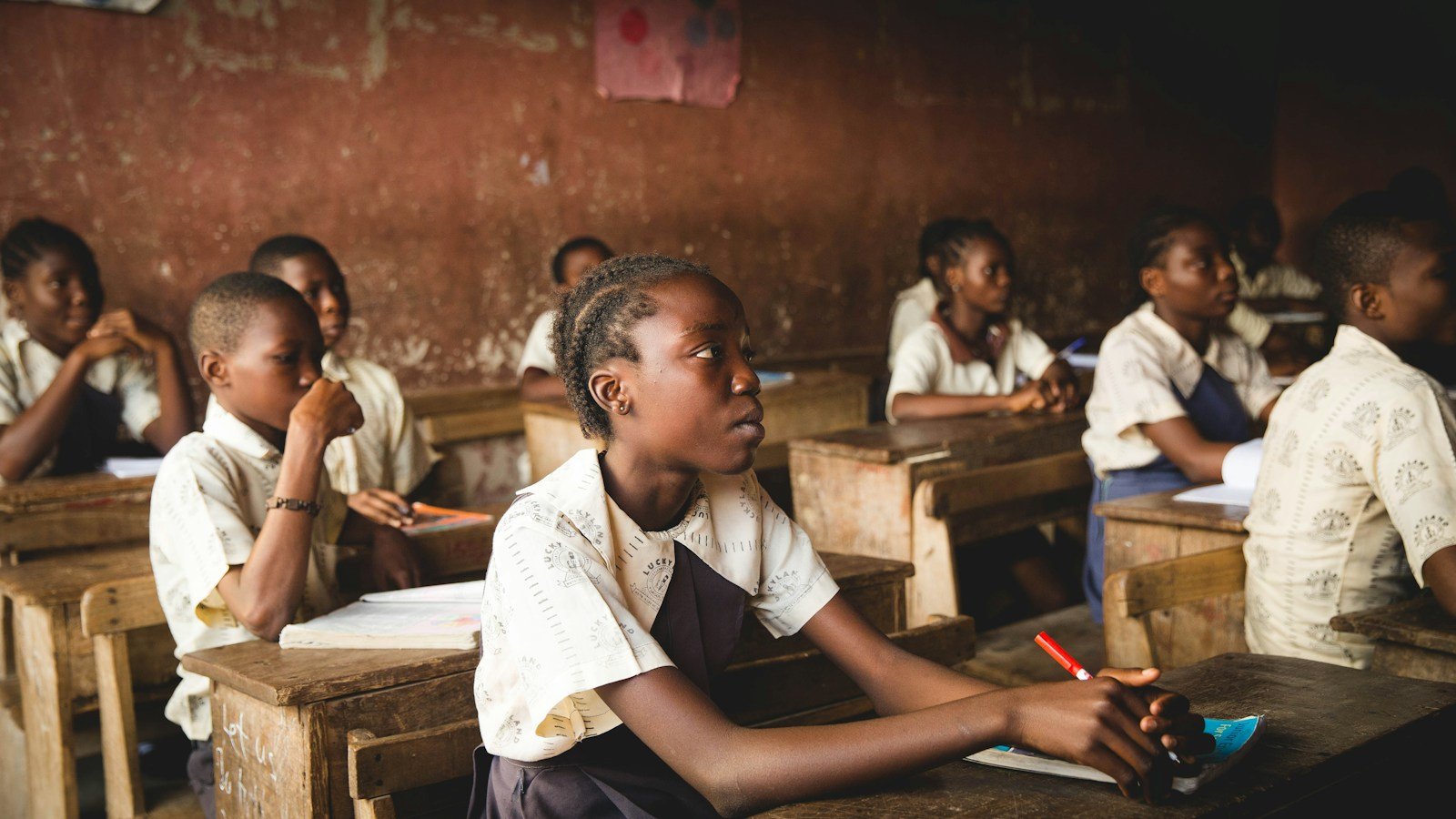
Image note: Featured photograph is illustrative classroom photography and does not depict the people or schools assessed in these policy briefs.