Khemetic Nation News Network | History & Restoration Desk | October 13, 2026
CULTURAL PROGRAM ANNOUNCEMENT | PLANNING STAGE
What if young people around the world could help preserve the stories that time almost erased? The Khemetic Aboriginal Library and MAAT K12 are shaping an ambitious educational collaboration under a new working program name: Project SESHAT — Global Young Scribes. The proposed initiative would bring together students, educators, families, librarians and cultural stewards in a shared mission to discover, document, study and responsibly preserve records of the ancient world.
Named in recognition of Seshat, a figure associated with writing and recordkeeping in Khem/Egypt, the project is built on a simple principle: history should be carefully studied, preserved and made understandable to the generations that follow.
From ancient manuscripts to living classrooms
The initiative envisions a supervised, primarily digital research experience in which participating students learn to investigate manuscripts, inscriptions, old books, maps and other documentary records. The exploration would begin with the intellectual and written heritage of Khem/Egypt and neighboring civilizations, then extend to documentary traditions from across the wider world.
Proposed learning activities include building annotated timelines, recording catalogue descriptions, learning the basics of provenance, comparing translations, creating accessible educational summaries, and studying how archivists protect fragile materials. Students could become Young Scribes—careful researchers who learn the difference between an exciting claim and evidence that can actually support it.
The library’s intended role would be as a coordinating cultural and archival institution, while MAAT K12 would contribute the educational framework for age-appropriate online participation, curriculum design and teacher-guided projects.
A global invitation that respects local custodians
Project SESHAT’s proposed manuscript-gathering work is about gathering knowledge and properly authorized documentation, not collecting or removing physical antiquities. The library would seek to identify materials through legitimate libraries, museums, archives, universities and lawful private custodians, while recording accurate ownership and provenance information.
Digitization, reproduction, translation and public sharing would depend on applicable rights and permission. Cultural protocols, sacred or restricted materials, conservation needs and existing custodianship would be respected. No institution or family is being asked to mail historic objects or transfer ownership of a manuscript.
This approach aligns in spirit with the preservation and responsible-access objectives of UNESCO’s Memory of the World Programme. Project SESHAT is an independent proposed Khemetic Aboriginal Library and MAAT K12 initiative; this reference does not indicate UNESCO sponsorship or partnership.
The Book of Maat as a doorway to document study
One possible classroom case study is the Book of Maat (2018 edition), which collects Khemetic-oriented historical, religious, philosophical and literary material. Its section The Literature of the Ancient Khemites (printed pages 246–247) introduces Djehuti and portions of the Pyramid Text tradition. Students can use such a modern compilation to practice tracing claims back to identifiable source texts, editions and historical contexts—without assuming that the compilation itself is an original ancient manuscript.
Children as learners, families as partners
The global youth component is designed as a future, safeguarded educational pathway rather than an unsupervised public archive. Participation arrangements, ages, locations and enrollment procedures remain to be finalized. Adult oversight, appropriate parent or guardian consent, privacy protection, safe digital access and teacher-reviewed work would be requirements before student participation begins.
Families and educators who wish to learn about future educational opportunities can follow announcements through MAAT K12. Cultural institutions and qualified volunteers can watch for the library’s future participation guidance; no claim is being made that partners have already supplied manuscripts or that student cohorts have enrolled.
Project SESHAT — Every manuscript has a story. Every young mind deserves the chance to learn it. Every generation has a responsibility to protect it.
Further reading
UNESCO: Memory of the World programme and preservation principles.
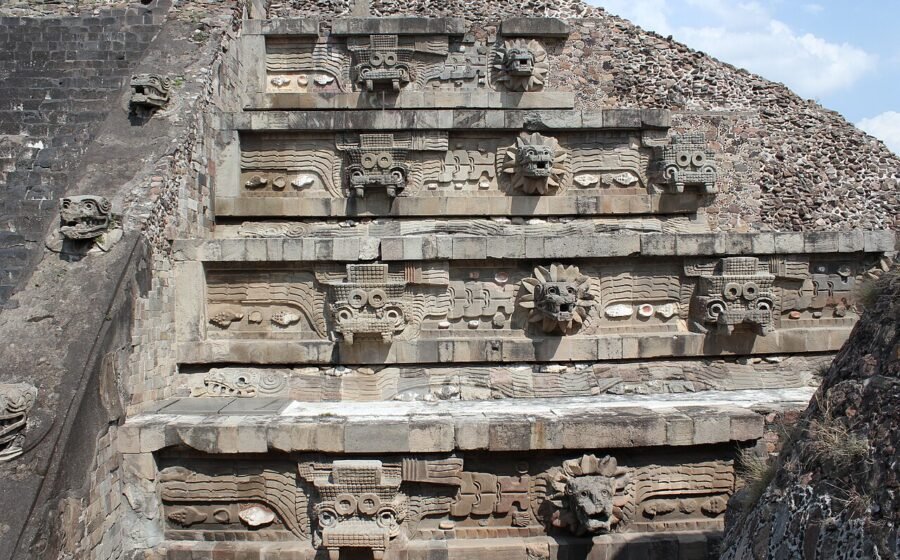
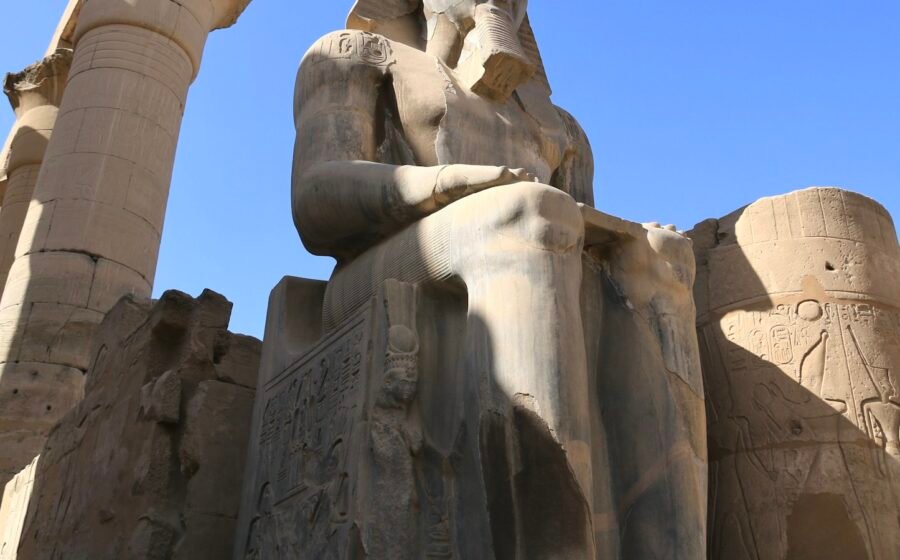
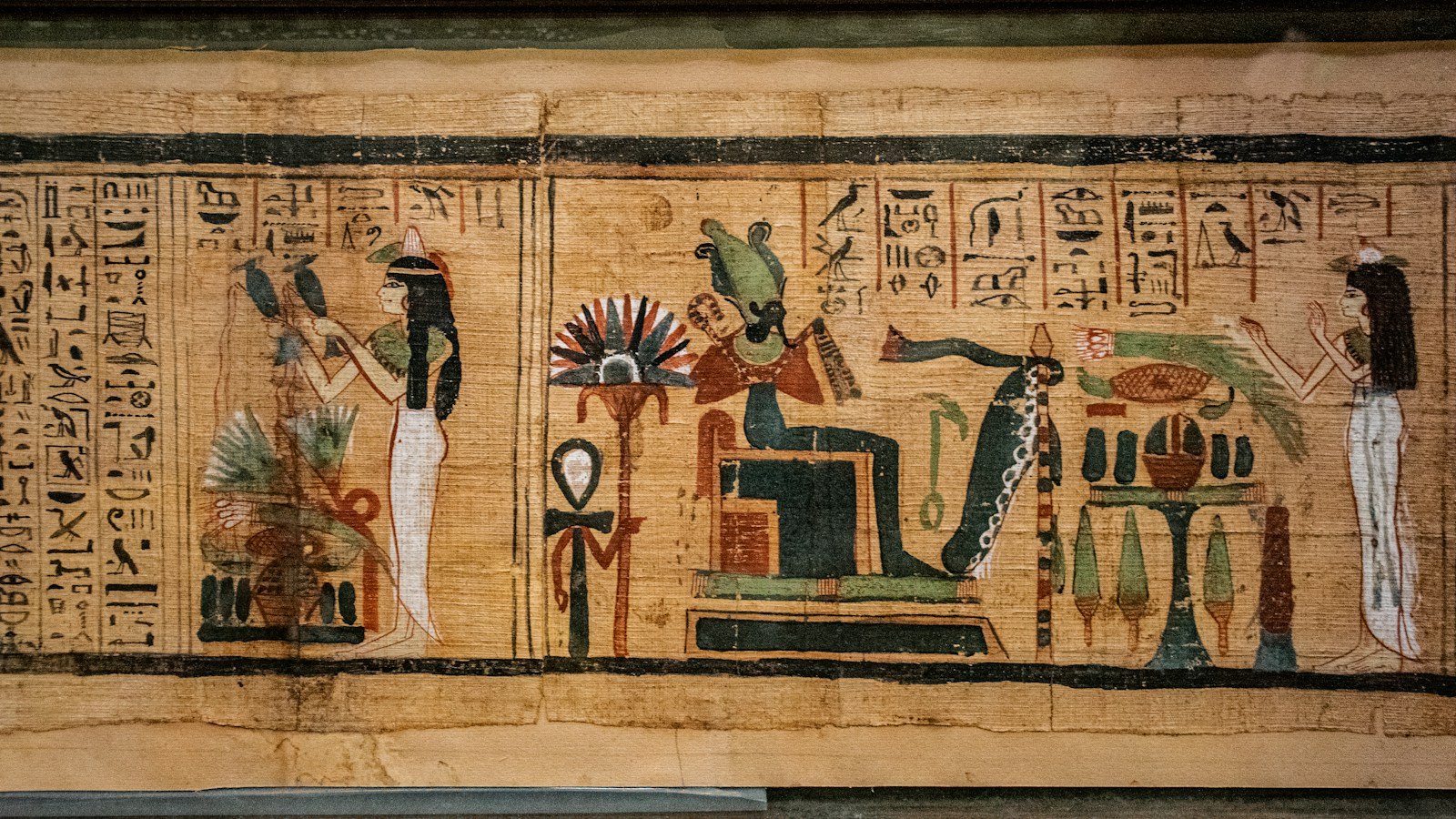
Editorial disclosure: The Khemetic Aboriginal Library and MAAT K12 belong to the KNN-covered institutional ecosystem. Project SESHAT is presented as a newly proposed name and program direction, not as an already operating international archive or a confirmed roster of partners. Featured manuscript photography is illustrative, not an item documented as held by the library.