OPINION | By Lotta Goddess | November 15, 2026
At Minnesota’s Jeffers Petroglyphs, history is not merely something people once carved into stone. It is a living connection to Native nations whose ties to the landscape did not end when an archaeological site became a public attraction.
That is why the national conversation about preservation needs to move beyond plaques, visitor counts and the number of artifacts cataloged. Museums and historic agencies should make room for Native knowledge, ongoing tribal relationships and the limits of what the public is entitled to see.

The place still carries meaning
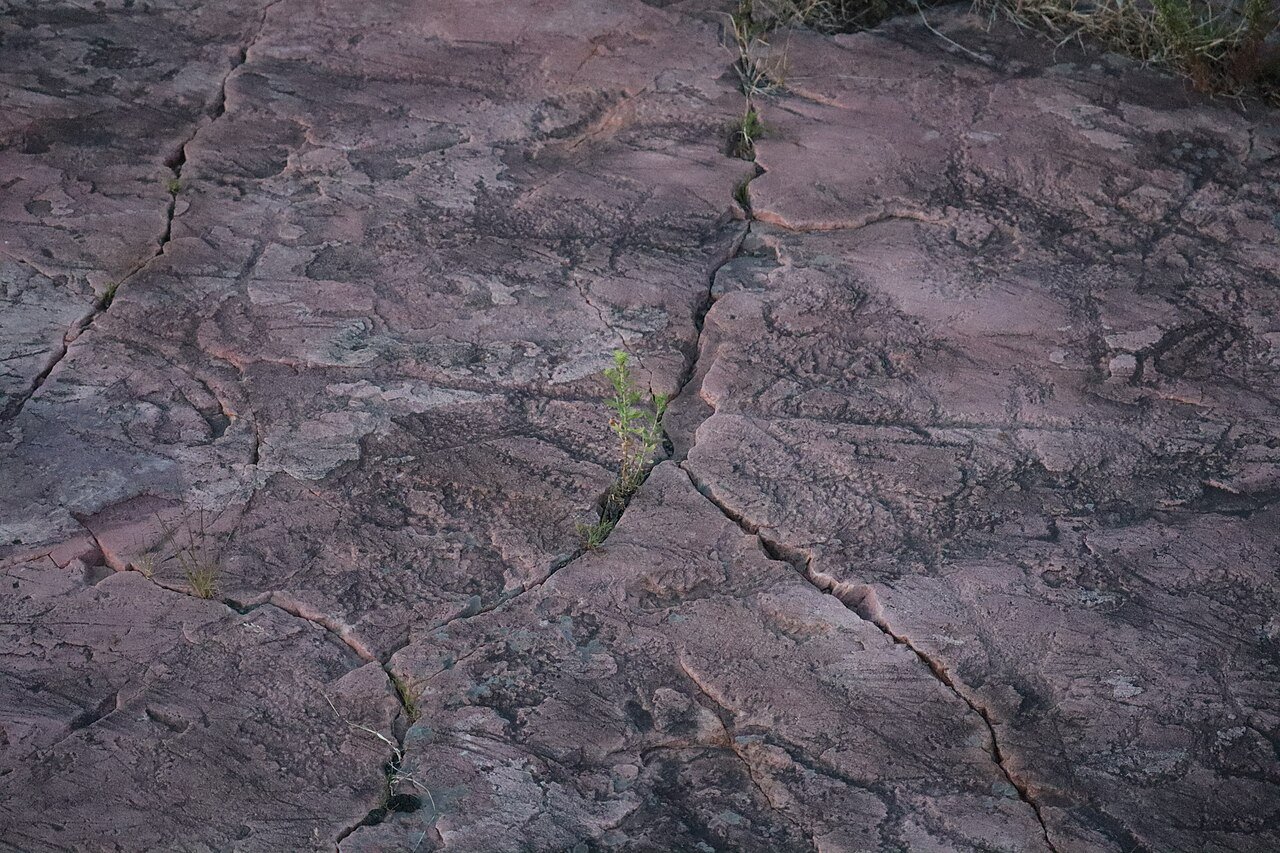
The Minnesota Historical Society describes Jeffers as a Sioux quartzite outcrop containing roughly 5,000 carvings and more than 7,000 years of history. The agency also acknowledges the site’s continued importance to the Dakota, Ioway, Cheyenne and other nations connected to the region.
A recent Khemetic.News report introduced readers to this remarkable place. But recognizing the age of the carvings is only the beginning. Meaningful stewardship requires asking who tells the stories, who sets the conditions for access and how communities pass knowledge between generations.
Interpretation should not erase the people who know the place
The Smithsonian’s Native Knowledge 360° initiative shows a constructive alternative to history lessons that describe Native peoples only in the past tense. It develops educational resources in collaboration with Native communities, scholars and teachers, bringing contemporary Native perspectives directly into classrooms.
This is not a call to abandon archaeological science. It is a call to recognize that oral histories, living relationships and tribal expertise can be essential alongside archaeology. A historically accurate exhibit can still fail a community when it reduces a sacred place to a decorative example of ‘ancient culture.’
Cultural access must also be thoughtful. The National Museum of the American Indian explicitly limits the public display of culturally sensitive collection images when appropriate. That principle deserves attention wherever institutions photograph, digitize or promote heritage sites.
Preservation should be a shared responsibility
Public agencies should support continued consultation, fair compensation for tribal cultural experts, culturally informed visitor policies and adequate maintenance budgets. Where a community identifies a detail as sensitive, a museum need not publish it to prove that the museum has done its research.
Not every Native nation will agree about the interpretation of a site, nor should any outsider appoint a single spokesperson for all Indigenous people. The better model is sustained, transparent relationships with the nations and knowledge holders connected to each place.
A living future is the point of remembering
The strongest measure of preservation is not how many visitors can repeat a carving’s approximate age. It is whether the place survives intact, whether the people to whom it matters remain involved and whether the next generation can learn that Indigenous history is still unfolding.
Jeffers can be a lesson in stewardship as well as antiquity. If America values Native heritage, that value should be visible in decisions about authority, access, education and care—not only in the beauty of the stone.
The views in this article are editorial opinion. No Native nation or Jeffers representative was interviewed for this commentary.