SEATTLE, Nov. 17, 2026 — Seattle’s renewed transit tax was leading decisively in reported results from the November 3 general election, putting the city on course to expand bus service, extend service hours and offer more free transit passes. King County’s final election certification is not scheduled until November 24, so interim results and a certified outcome should not be confused.
The mayor’s November 4 statement described the measure as winning more than 72% in early reporting. The King County Elections results page publishes updated returns and lists the final canvass schedule; readers seeking the latest exact count should consult that official record.
What the renewal would finance
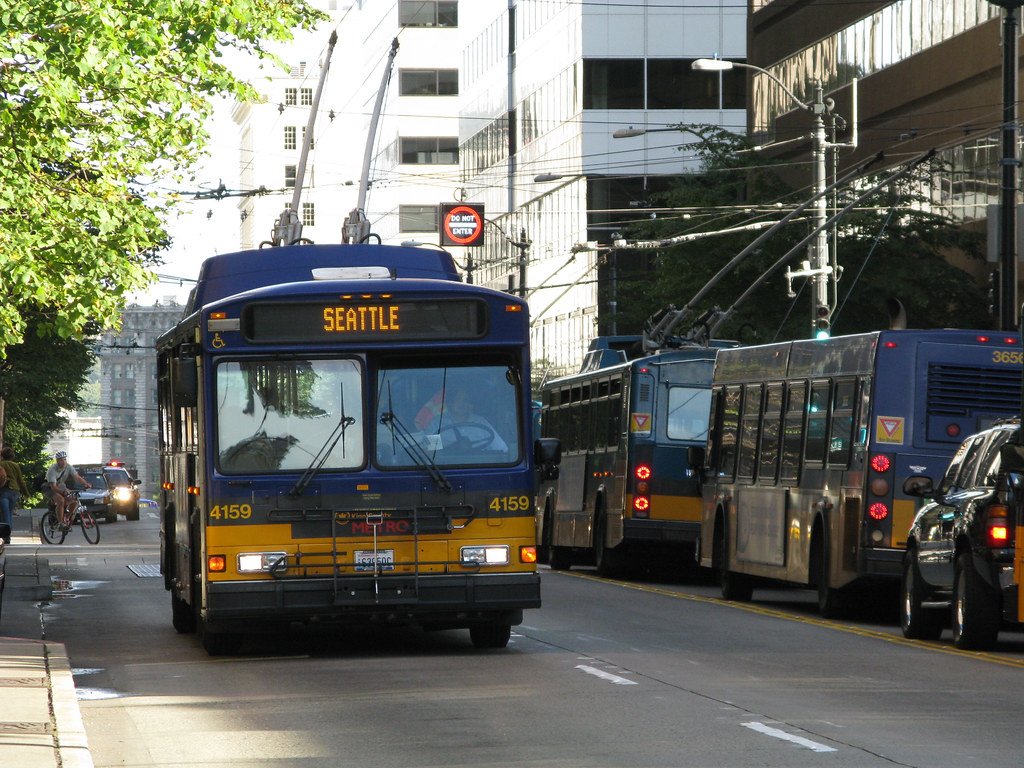
The measure establishes a 0.3% sales tax intended to raise about $138 million annually over 10 years for transit-related purposes, according to the city. Officials project funding approximately 275,000 bus trips each year—about 95,000 more than the current transit program. Both figures describe program estimates, not service already delivered.
City plans prioritize more frequent buses during middays, nights and weekends, along with connections between neighborhoods and Link light-rail stations. The proposal also covers bus-stop improvements, locations where traffic delays service and staff work to help deliver regional rail expansion.
More free ORCA cards
The city says the renewed program could raise the total number of free ORCA transit cards issued through specified programs to 22,000, adding 12,000 for eligible participants such as people with housing vouchers. Details of eligibility and distribution will matter as the program is implemented.
For workers traveling outside traditional rush hour, students and people living without cars, the difference could be measured in wait times and the cost of reaching a job or appointment. The expansion, however, depends on actual scheduling, driver and vehicle capacity, and the administrative steps between a vote and added service.
Tax and accountability questions
The county voter guide details the measure’s sales-tax structure and arguments surrounding it. Voters must weigh the benefits of service expansion against the higher purchase taxes that would help fund it. City projections should be revisited against actual operating costs, delivered bus trips and transit pass uptake.
The key next milestone is the official county certification. From there, riders should look for route-level service announcements and eligibility instructions rather than assume every improvement begins immediately.
Sources
Seattle Mayor’s Office, Nov. 4; King County Elections, November general election results and schedule; Official ballot measure materials.