WASHINGTON, Nov. 17, 2026 — The Smithsonian’s National Museum of African American History and Culture reached its 10th anniversary this fall, a milestone for an institution built to make African American history central to the national story. The museum opened on Sept. 24, 2016. In its 2026 anniversary materials, it said it had welcomed 13.8 million in-person visitors since opening.
The anniversary was marked Sept. 24–27 by events the museum called The Reunion. But the more enduring measure is the preservation work: collecting objects, recording stories, conserving fragile materials and explaining how ordinary lives connect with major movements in U.S. history.
From a century-long campaign to a museum on the Mall
The museum’s location among the Smithsonian museums on the National Mall reflects a long campaign to establish a national institution devoted to African American experiences. Its collection reaches beyond any single era. Visitors encounter the history of enslavement and resistance, but also work in business, politics, the arts, science, sports, faith and community life.
The Smithsonian has described a collection of about 45,000 or more objects, with only a portion physically displayed at any given time. The difference matters: a museum is also an archive, a conservation program and a research institution, not only the exhibits visitors can see during one visit.
The objects that make history personal
The museum’s 10th-anniversary announcement highlighted objects such as Joseph Trammell’s freedom papers, Harriet Tubman’s hymnal, a Tuskegee Airmen training aircraft and the Ebony Test Kitchen from Johnson Publishing Company. Each carries a different kind of evidence.
Freedom papers reveal the legal restrictions that shaped a person’s ability to move and prove status. A hymnal connects public history to personal faith. An aviation artifact records military service and barriers broken. A magazine-company test kitchen tells the story of Black food media, domestic design and the commercial culture surrounding a major publishing enterprise.
These materials also challenge the assumption that only political leaders or major battles deserve national preservation. A household object, a photograph or a recording may be the evidence that makes a family’s experiences intelligible to future generations.
Architecture that makes an argument
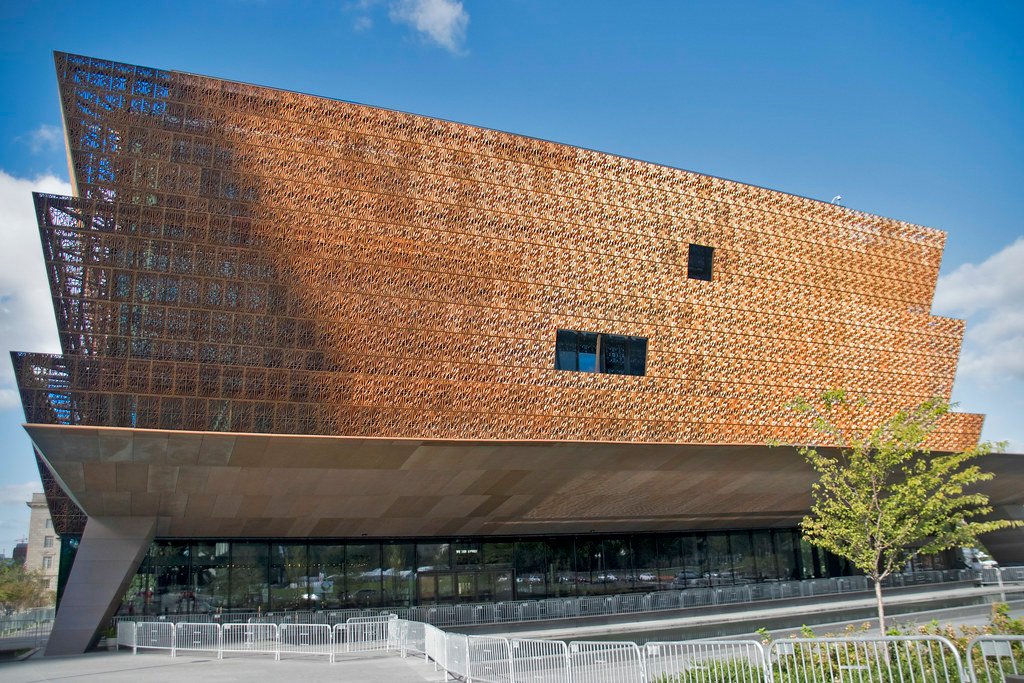
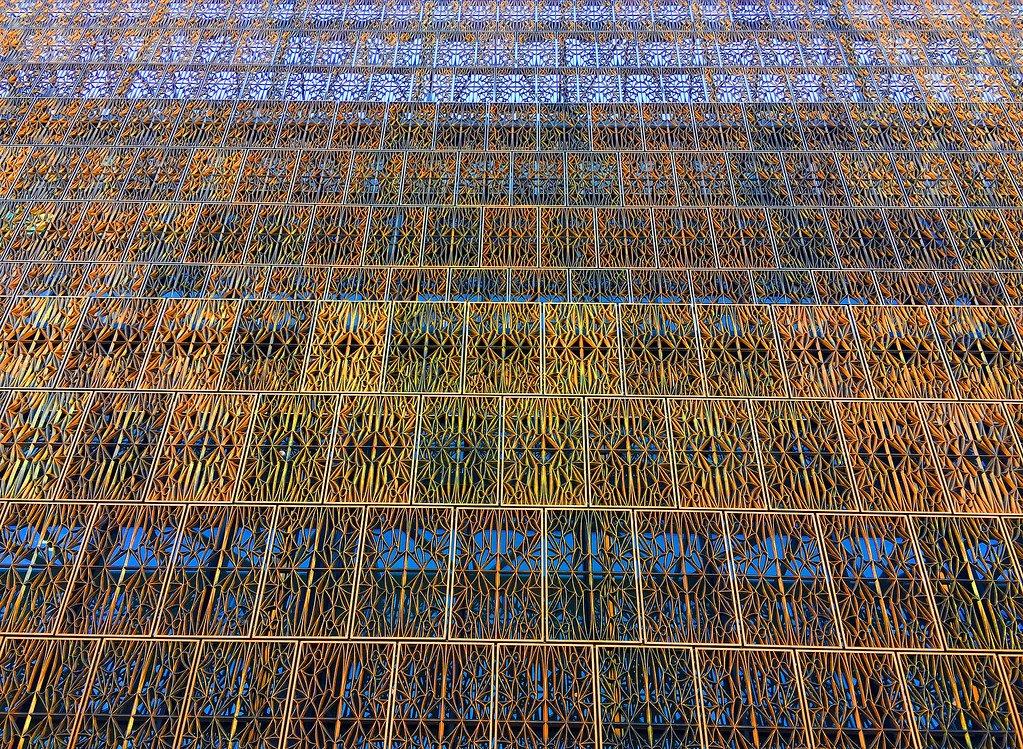
The building’s tiered, bronze-colored exterior has become a recognizable part of Washington’s landscape. Its design draws on African and African American artistic traditions, placing cultural reference on the outside of a museum that documents the lives of people too often left out of dominant national narratives.
During a year also marking the United States’ 250th anniversary, the museum’s continued work is a reminder that the country’s history cannot be told accurately through government milestones alone. The stories of emancipation, Black organizing, creative industries and everyday community life are not sidebars to American history; they are part of its fabric.
The next decade
The museum has expanded its collecting and public programs since 2016 and continues to make digitized materials and learning resources available beyond Washington. That reach is important for families who cannot easily travel to the capital and for schools seeking primary sources rather than simplified retellings.
Anniversary visitor figures and collection totals are snapshots reported by the museum and can change as it counts new acquisitions and attendance. The continued test will be how well the institution preserves objects, identifies gaps, makes collections accessible and remains attentive to the people whose histories it presents.
Sources
NMAAHC, 2026 10th-anniversary announcement; Smithsonian, NMAAHC factsheet; NMAAHC, anniversary program and collections; Associated Press, 10th-anniversary report, Sept. 24, 2026.