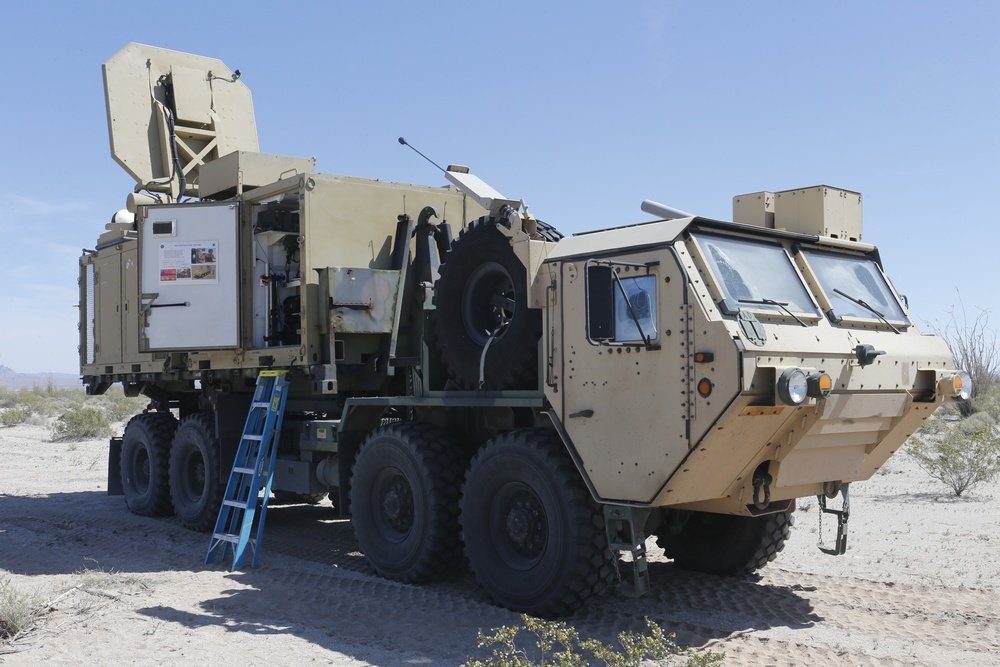
WASHINGTON — The Pentagon authorized the Department of Homeland Security to test and evaluate a military device that directs an invisible, highly concentrated beam of millimeter-wave energy at people, opening the possibility of future use along the U.S.-Mexico border. The device is called the Active Denial System (ADS). The reported authorization does not establish that immigration agents have used it against anyone.
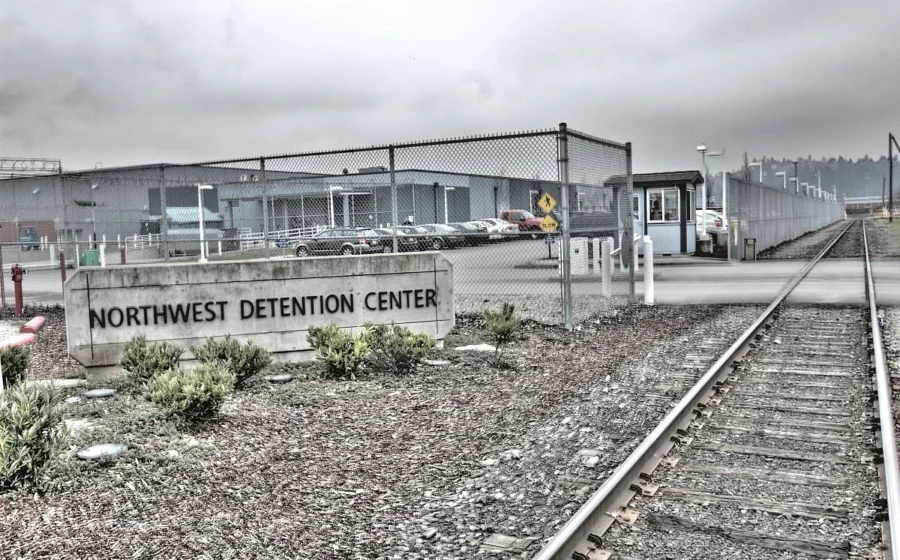
The September 2026 authorization, signed by Defense Secretary Pete Hegseth and first reported by CNN on October 21, provides DHS a temporary seven-month loan of one ADS unit to develop potential operating tactics. U.S. Customs and Border Protection acknowledged that it was reviewing the technology but did not disclose a test location, timetable or deployment plan. The distinction between testing and operational use is central to understanding this story.
What the Pentagon authorized
According to CNN’s account of the memorandum, the temporary loan began in September 2026. The agreement assigns DHS responsibility for use and for developing tactics, techniques and procedures. Defense Department personnel are not to operate the equipment under the arrangement. The department can request an extension. Stars and Stripes reported that CBP confirmed it was examining the potential application of the system and that DHS gave no details of where or how it might be used.
Those reports describe permission to test a weapon, not evidence of a permanent border installation, an order to fire it at migrants or verified use in a border confrontation. A separate, previously publicized military laser system intended to defeat drones at the border should not be confused with ADS, which is designed to affect people.
How a 95-gigahertz beam works
The military’s technical descriptions identify ADS as a 95-gigahertz system. Some studies refer to 94–95 GHz millimeter-wave energy, but the official equipment description uses 95 GHz. The beam penetrates approximately 0.4 millimeters, or 1/64 inch, into skin and causes an immediate, intense heating sensation intended to make a person move away. The directed beam is invisible, and the military has described a range approaching 1,000 meters under appropriate conditions. See the Defense Department Active Denial Technology fact sheet and the official account of a 2012 demonstration.
The beam’s intense heating effect is designed to stop when a person leaves the beam or an operator shuts it off. Military researchers have also described lingering tingling or tenderness for several minutes in some exposed people. The device uses non-ionizing electromagnetic energy; it is not a radioactive weapon or a conventional laser.
What human safety studies establish—and do not
The Department of Defense classifies ADS as a nonlethal weapon intended to provide an alternative to firearms. Its 2016 fact sheet cited more than 13,000 volunteer exposures and an injury rate of about one in 1,000 exposures or lower during controlled demonstrations and testing. That is a claim about the test program—not a demonstrated guarantee of safety for every real-world crowd, repeated exposure or vulnerable individual.
The record contains documented injuries. A Human Effects Advisory Panel assessment described an April 2007 accident at Moody Air Force Base in Georgia in which an airman sustained significant second-degree burns after incorrect power and duration settings were used at close range. The panel considered the overall research thorough but acknowledged that ADS can cause thermal injuries.
An independent medical-rights group, Physicians for Human Rights, has raised questions about skin and eye vulnerability, long-term exposure, and the risks of using directed-energy devices against assembled crowds. Its concerns are not proof that every exposure causes injury; rather, they challenge whether controlled test conditions adequately anticipate how people may be exposed in law enforcement operations.
Why use at the border raises legal and humanitarian questions
A wide-area device intended to cause painful withdrawal raises practical questions about whether a targeted person could retreat safely. Those questions are especially significant near rivers, barriers, steep terrain or densely crowded crossing points, where a reflexive movement away from the beam could create additional danger. Observers would also need to know whether operators can distinguish a potential threat from families, bystanders or people on the Mexican side of the border.
Officials argue that nonlethal technologies may give agents options short of firearms and could reduce fatalities. Critics of crowd-control devices question how their use would be limited and monitored. Physicians for Human Rights has called for strict rules on necessity, proportionality and medical assistance. The question is not only whether a weapon is designed to be less lethal than a gun; it is whether a particular use would be lawful, justified and safe.
A technology with a long history of demonstrations—and rejected proposals
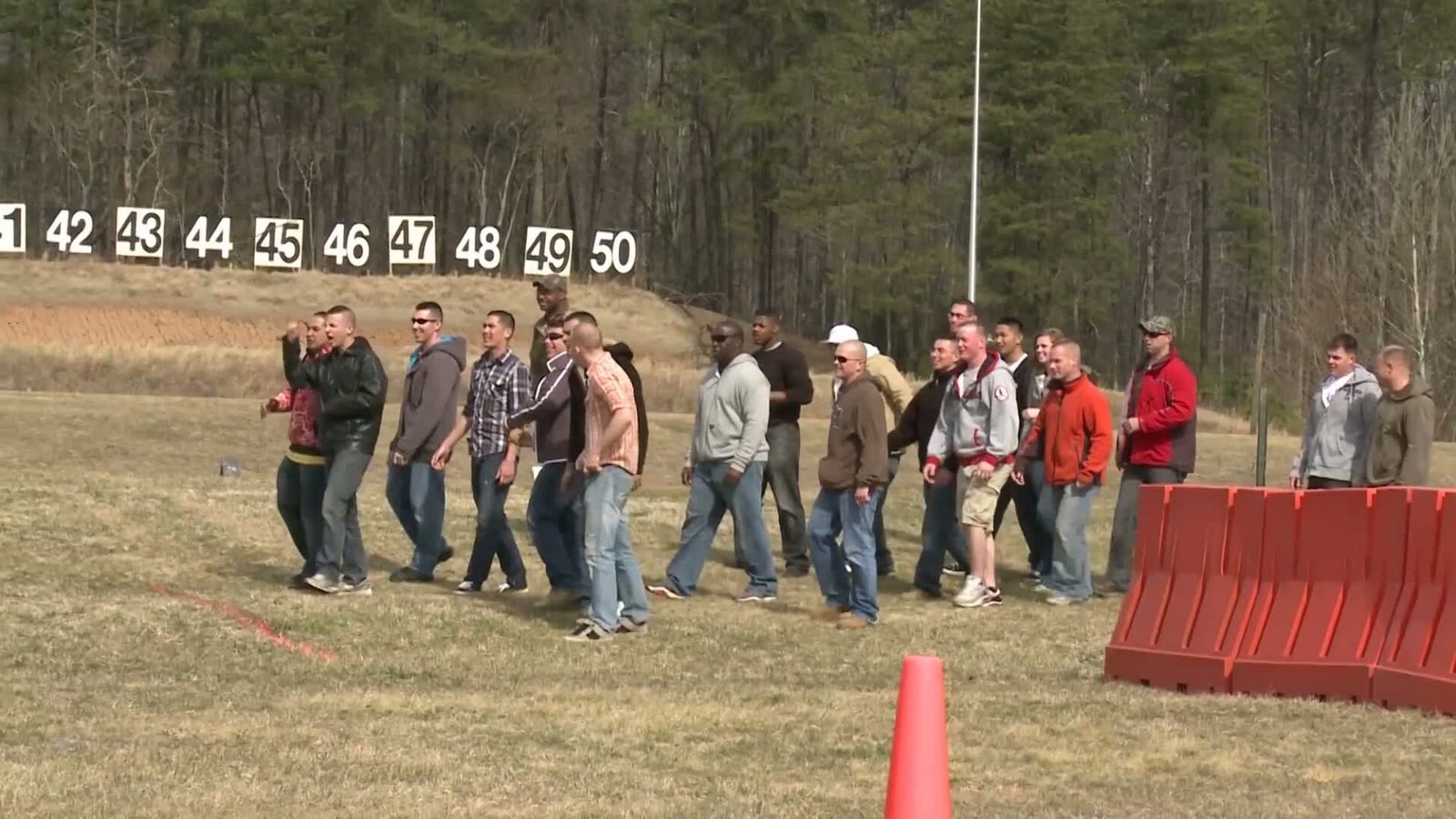
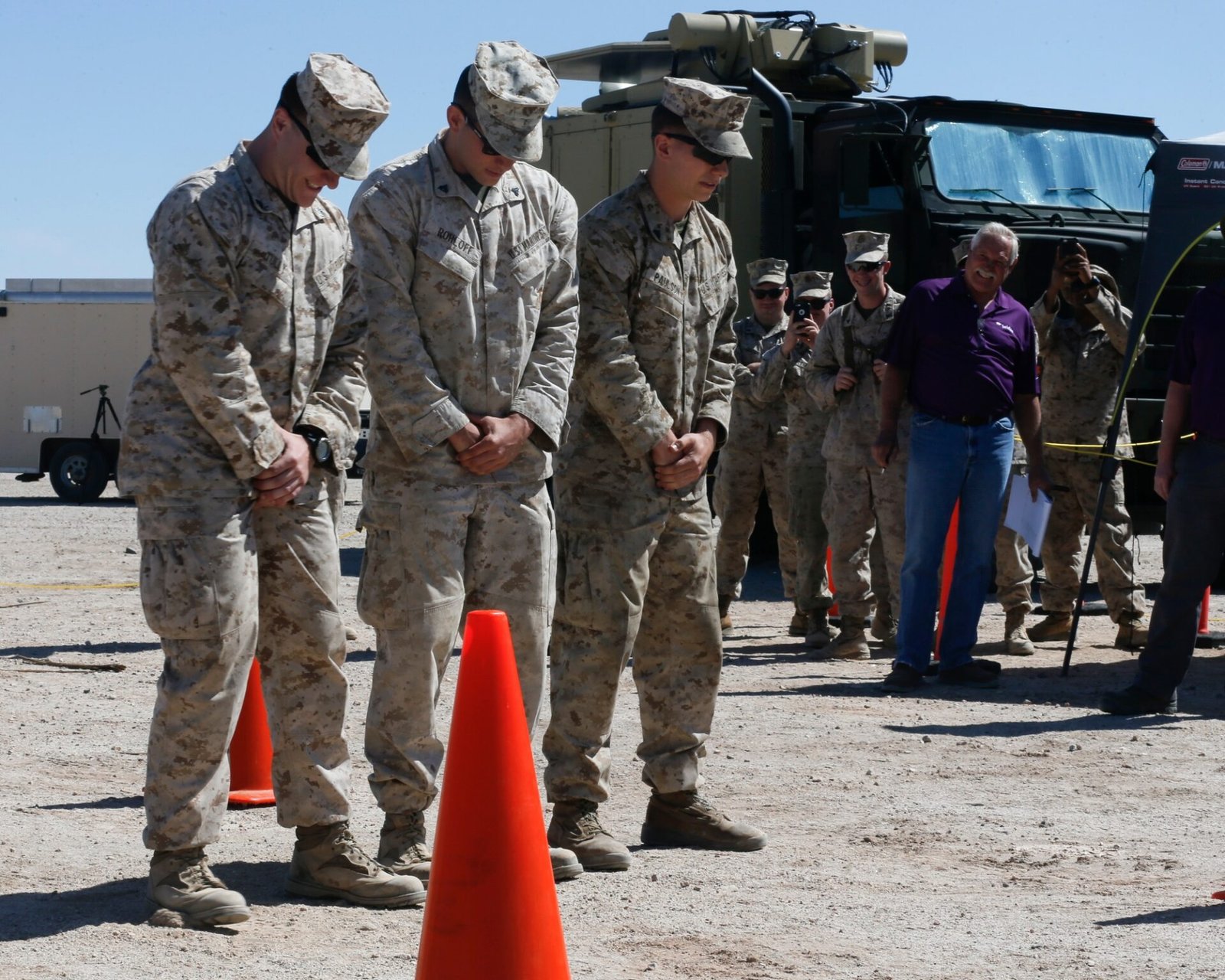
ADS grew from U.S. Air Force research dating to the 1980s and was publicly demonstrated to reporters and troops in the 2000s. U.S. Marines publicly tested the technology at Quantico, Virginia, in March 2012. The Marine Corps’ original video from that demonstration documents the technology in an actual controlled military demonstration, not at the southern border.
Earlier proposals to use ADS against migrants and during domestic unrest did not result in those uses. CNN reported that senior officials considered the device during the first Trump administration, including in 2018 at the border and amid 2020 protests after George Floyd’s killing, but decided against employing it. A test authorization in 2026 therefore represents a change in willingness to evaluate the system, not confirmation that it has entered routine law-enforcement service.
What remains unknown
As of November 19, 2026, the reviewed public reporting does not establish where DHS is testing the ADS unit, whether any tests involved civilians, whether a final use-of-force policy exists, or whether operational use at the border has been approved. DHS has not released a public set of test results in the sources reviewed for this article. Those unanswered questions matter because the same technology can have different human consequences depending on distance, duration, training and the setting in which it is used.
Sources and original video
CNN, October 21, 2026: reported Pentagon memorandum; Stars and Stripes, October 21, 2026: CBP response; The Guardian, October 22, 2026: independent follow-up.
Defense Department Active Denial Technology fact sheet; Human Effects Advisory Panel review; Physicians for Human Rights safety overview.
Official video: U.S. Marine Corps, “With the Gear: Bringing the Heat With the Active Denial System” (2013). Archival demonstration footage; not evidence of deployment at the U.S.-Mexico border.