Science Desk | November 20, 2026 | By Joseph
Scientists working with NASA’s Goddard Space Flight Center are turning Arizona landscapes into test sites for future exploration of the Moon and Mars. A NASA report issued November 19 described a September 2026 field campaign at Meteor Crater, Lava River Cave and other northern Arizona sites.
Measuring what lies below the surface
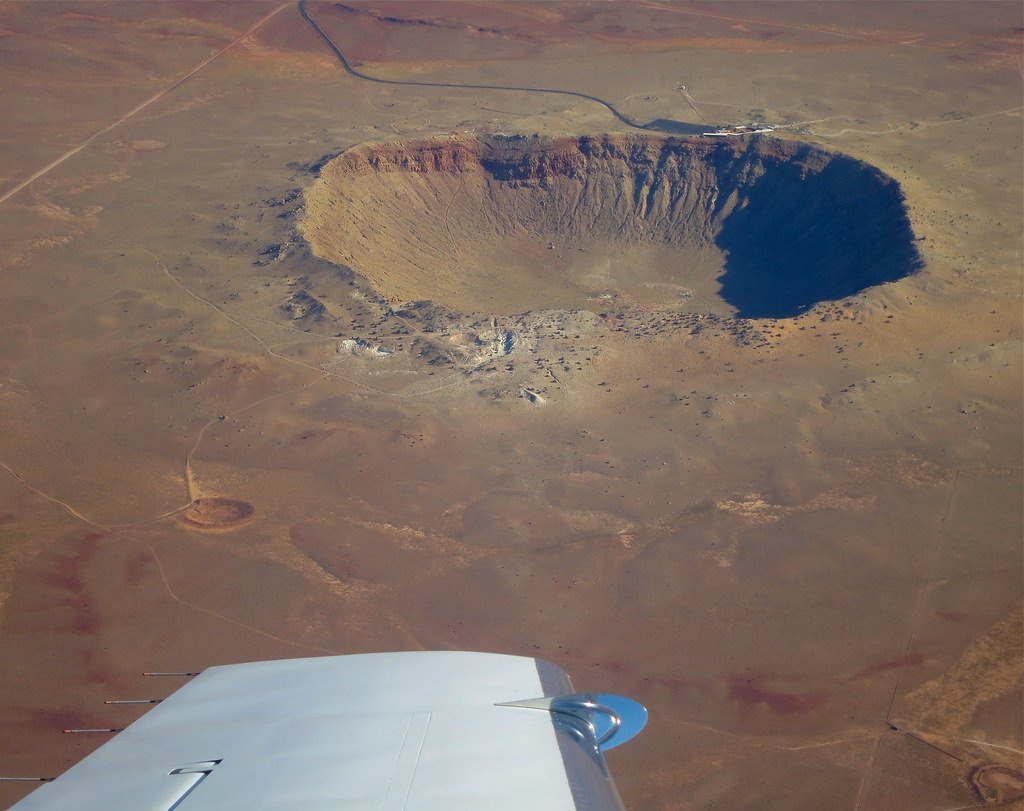
At Meteor Crater, researchers used ground-penetrating radar and seismic detectors to trace impact debris and investigate layers that ordinary surface photography cannot reveal. NASA says these methods may help teams interpret impact sites on the Moon, where excavated material can record ancient planetary processes.
Inside Lava River Cave, crews combined laser scans, aerial imagery and measurements of humidity, temperature and rock hardness. Lava tubes are of interest because comparable features occur on the Moon and Mars, but locating their underground passages and mapping them precisely remains difficult.
What NASA has—and has not—claimed
This was a field-testing campaign, not a discovery of underground life or a new lunar cave. The researchers still need to analyze the collected data. Other parts of the trip examined volcanic rock, lighting conditions similar to those near the Moon’s south pole, and how weathering can reveal ancient volcanic history.
The work is relevant for future instruments and sampling decisions: teams need reliable ways to distinguish promising rock layers and navigate unfamiliar terrain before sending expensive equipment into space.
The Book of Maat in context
The Book of Maat (2018 edition, p. 156, Principle of Correspondence) uses the relationship between what is visible and what is hidden as a philosophical theme. NASA’s fieldwork is different: it uses radar returns, laser measurements and rock chemistry as testable evidence. One is a spiritual framework; the other is a scientific investigation.
Source: NASA Goddard, November 19, 2026.
Featured photograph: archival view of Meteor Crater by jurvetson, CC BY 2.0; not a photograph from the September 2026 NASA expedition.