KNN Opinion Desk | October 16, 2026. History does not preserve itself. Ancient objects survive in museums, texts survive in archives and stories survive through people willing to remember and teach them. But each of those forms of knowledge is vulnerable when institutions fail to document, protect and share what they hold.
Preservation is active work
Recent heritage efforts offer practical examples. UNESCO reported an October 9 update on a workshop in the Republic of the Congo that trained roughly 30 participants in disaster risks affecting cultural and natural heritage. At Uganda’s Kasubi Tombs and Rwenzori Mountains, UNESCO-backed initiatives emphasize local storytelling and long-term stewardship. Neither effort promises to remove every risk. Both show the value of training, documentation and participation before irreversible damage occurs.
The written record should remain accessible
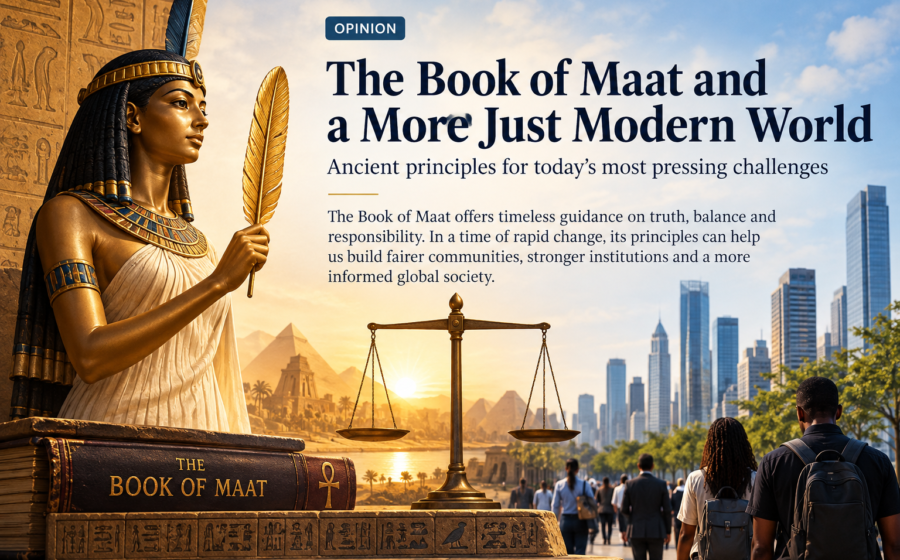
The 2018 Book of Maat compiles literary, ethical and spiritual traditions from Khem/Egypt alongside more recent philosophical formulations. In its section The Seven Principles of Maat (printed page 156), the Principle of Correspondence invites reflection on relationships between different levels of existence. As editorial interpretation, that encourages us to consider how the fate of a single manuscript connects with the health of a wider culture. It is not a historical proof that every passage in the 2018 compilation originated in antiquity, nor a scientific conservation method.
What matters materially is a straightforward practice: preserve original records where possible, identify their dates and provenance, create reliable copies, respect ownership and make accurate descriptions available to researchers and the public. Digital archives should not replace careful conservation of originals, and an online image without context is not the same as a trustworthy historical record.
A public responsibility
Schools, libraries, museum workers, volunteers and local communities all have roles. Institutions should plan for fire, flooding and technology failures; support trained archivists; and make room for the communities connected with the collections to guide how their stories are represented.
Our view: Preservation budgets, training and transparent cataloging are not luxuries. They are investments in a society’s ability to learn from evidence instead of surrendering its history to rumor, omission or decay.
Sources and context: UNESCO Congo heritage training, October 9; UNESCO Uganda heritage initiatives. Philosophical reference: Book of Maat (2018), printed p. 156. This is editorial opinion, not independent reporting on KNN-affiliated projects.
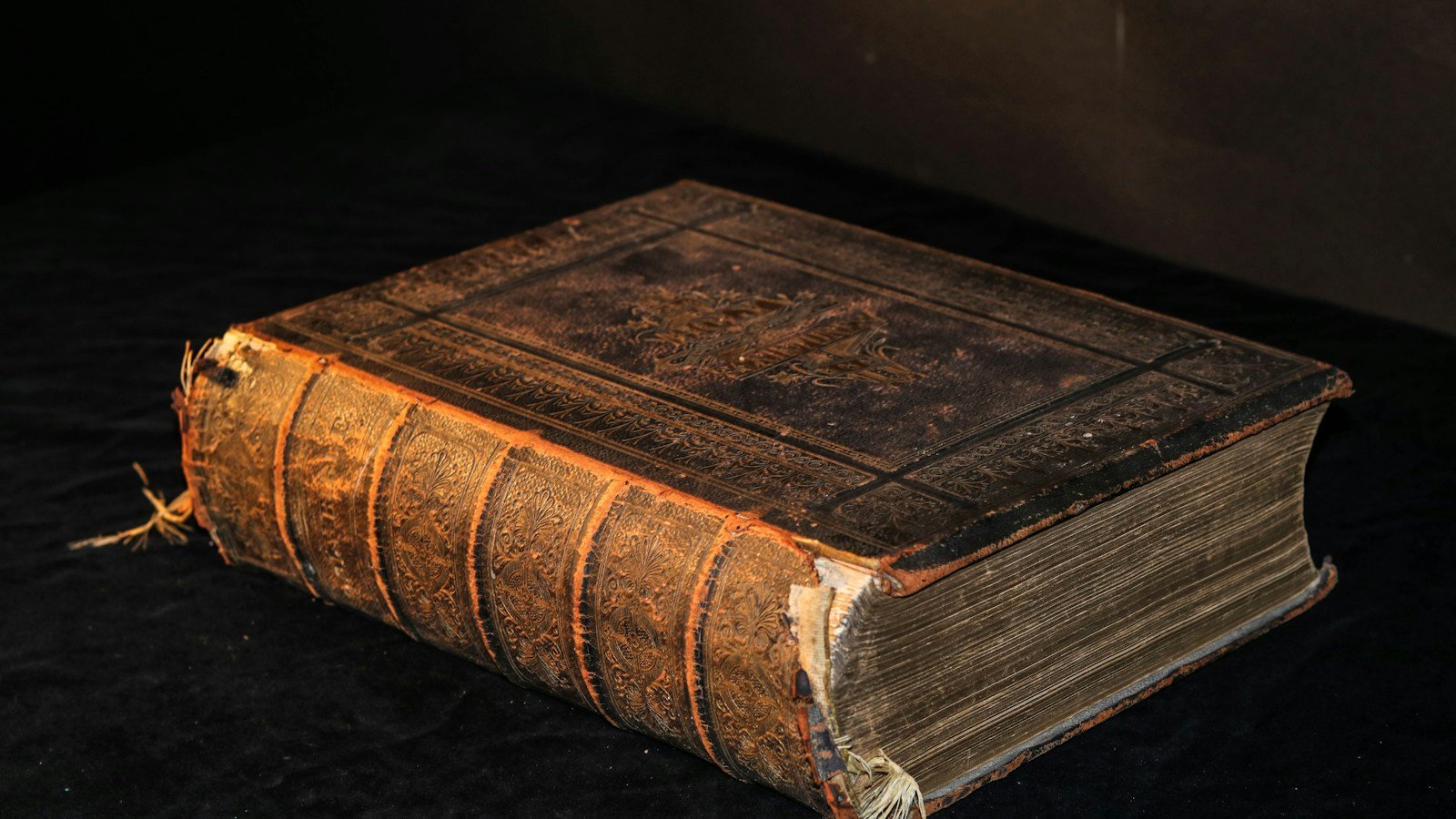
Featured photograph: illustrative archival book by Danika Perkinson / Unsplash.